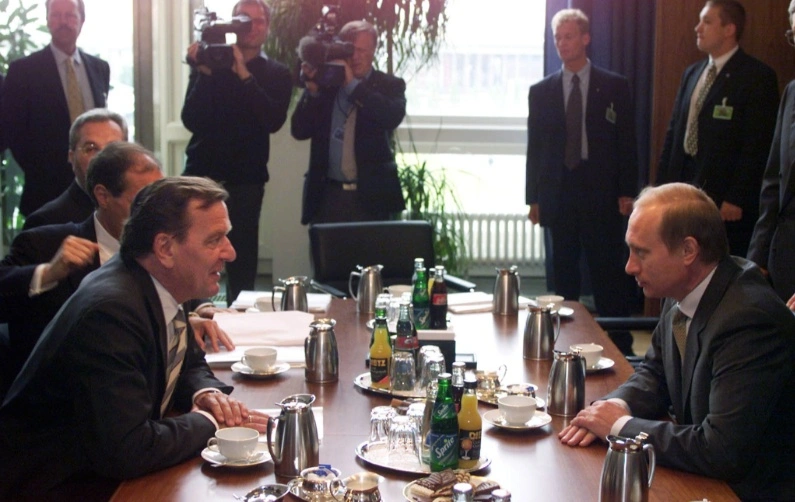
Former German Chancellor Schröder criticised for attending Putin's birthday
Section: News
The Austrian Freedom Party (FPÖ) has raised concerns in the National Council regarding the federal government's approach to healthcare funding. According to FPÖ health spokesperson Gerhard Kaniak, while national healthcare expenditures are increasing, there is a lack of transparency and effective governance in how these funds are allocated and spent.
One of the primary points of contention involves the government's recent commitment to establishing 900 new health centres across Austria. The FPÖ notes that, despite this ambitious target, there is no specific budget allocation for these centres in the current financial plan. This discrepancy has led to doubts about the feasibility of the government's promises and the likelihood of the projects materialising within the proposed timeframe.
The FPÖ also expressed concern about the growing financial burden on taxpayers. The party highlighted that an increasing proportion of healthcare is funded through general taxation rather than contributions, but without providing the federal government with a corresponding increase in decision-making authority. This decentralised approach, with financing split between federal, state, and social insurance bodies, is argued to hinder comprehensive reforms and efficient coordination.
Additionally, the FPÖ drew attention to the costs associated with healthcare coverage extended to refugees and migrants. The party cited figures indicating significant expenditures for insuring Ukrainian refugees, estimating costs at around half a billion euros. The FPÖ also pointed out that the total expenses for undocumented immigrants remain unclear due to insufficient data collection and evaluation.
The party criticised the allocation of resources to initiatives that, according to their assessment, have not yielded measurable results. For example, they referenced a programme intended to create additional general practitioner positions, which was allocated 44 million euros. The FPÖ claims that the funds have not led to an increase in available positions, and in some cases, the budgeted resources have gone unused. The party also raised concerns over vaccine distribution efficiency, noting that a significant portion of vaccines purchased may not be traceably administered, potentially resulting in waste of public funds.
In reviewing the current health reform agenda, the FPÖ stated that the planned creation of 600 primary care centres and 300 specialist outpatient clinics is not reflected in the federal budget. They suggested that, without designated funding, these healthcare infrastructure projects are unlikely to be realised within the projected schedule, casting doubt on the government's stated objectives for the sector.
The FPÖ has called for a fundamental change in the organisation and funding of Austria's healthcare system. The party advocates for a streamlined, centralised funding model to enhance accountability and ensure that taxpayer contributions are used effectively. According to the FPÖ, only a significant structural shift will address the identified inefficiencies and align healthcare spending with actual outcomes.
Section: News

Section: Science

Section: Business

Section: Business

Section: Science

Section: News
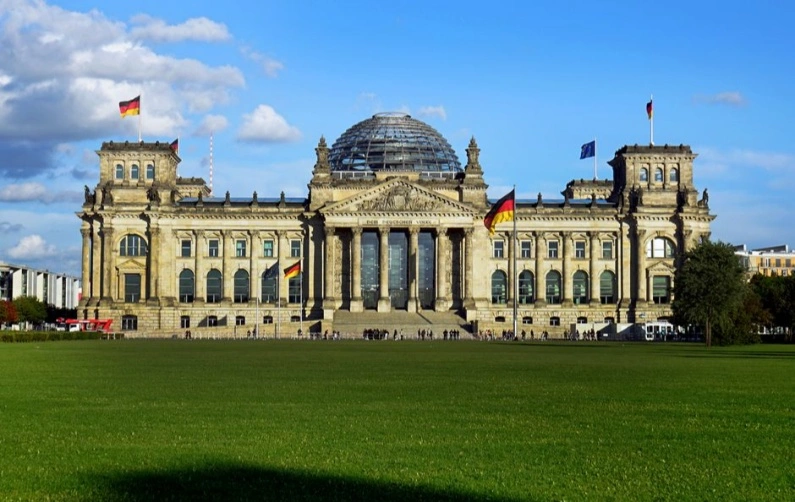
Section: Politics
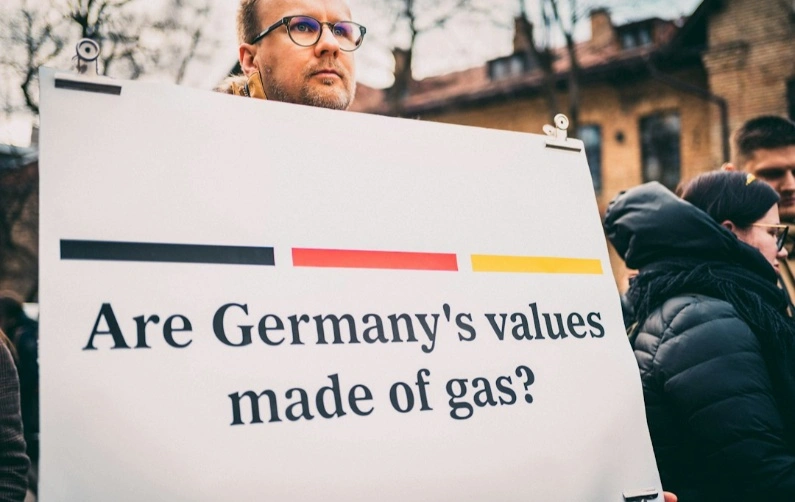
Section: News
Section: Fashion
Section: Arts
Both private Health Insurance in Germany and public insurance, is often complicated to navigate, not to mention expensive. As an expat, you are required to navigate this landscape within weeks of arriving, so check our FAQ on PKV. For our guide on resources and access to agents who can give you a competitive quote, try our PKV Calculator.
Germany is famous for its medical expertise and extensive number of hospitals and clinics. See this comprehensive directory of hospitals and clinics across the country, complete with links to their websites, addresses, contact info, and specializations/services.
Didn't manage to get a ticket for Linkin Park? Or still not enough after the concert? Join us at CRASH on June 12th for our "IN THE END" Linkin Park Special + CORE NIGHT.All night long, we'll be playing Linkin Park's music, along with Nu Metal, Metalcore, and Alternative Rock from bands such as Limp...



No comments yet. Be the first to comment!