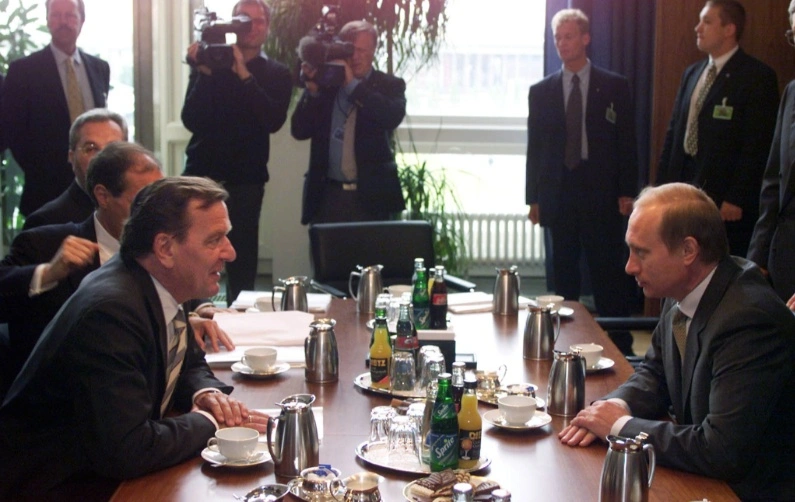
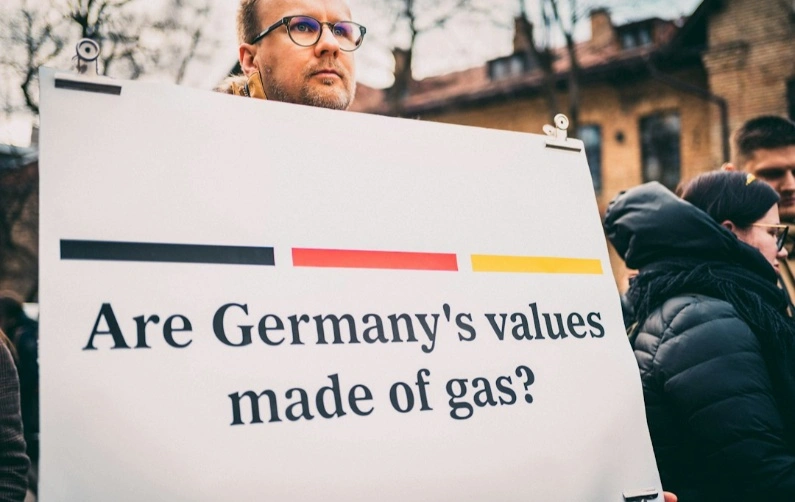
Former German Chancellor Schröder criticised for attending Putin's birthday
Section: News
A member of Austria's National Council has drawn criticism for submitting identical parliamentary inquiries concerning a women's rights organisation, raising concerns over parliamentary procedure and the approach to gender equality. The incident involves Harald Thau, a representative of the Freedom Party of Austria (FPÖ), who submitted two identical requests to the relevant ministry regarding the association "Frauen*solidarität" on separate occasions--first at the end of February and again at the end of March 2026.
Observers from the political sphere have pointed to the duplication as an example of procedural inefficiency, noting that submitting the same inquiry multiple times can unnecessarily strain government resources and increase administrative workload. This practice is at odds with the frequent criticism expressed by the FPÖ regarding bureaucratic overhead and government inefficiency. The situation has prompted discussion about the party's internal processes for managing parliamentary initiatives and whether these practices align with broader calls for streamlined governance.
The inquiries specifically targeted "Frauen*solidarität," an organisation recognised for its longstanding commitment to advancing women's rights, international solidarity, and development cooperation. Critics argue that repeated parliamentary scrutiny of such organisations may have the effect of undermining their public standing and casting doubt on their activities, despite their established role in supporting gender equality and social participation.
Recent media coverage has further complicated the matter, reporting on a restraining order issued against Harald Thau following a personal dispute. While details of the case remain subject to privacy and legal considerations, the development has added to public debate about the conduct of elected officials and their engagement with issues affecting women.
Women's advocacy groups have responded by emphasising the essential contributions made by organisations like "Frauen*solidarität" in the areas of equality, protection from violence, and societal inclusion. They argue that productive legislative engagement should focus on creating favourable conditions for such initiatives rather than generating additional administrative burdens through redundant parliamentary actions.
The episode has highlighted the broader context of political discourse in Austria, where debates around gender policy, parliamentary transparency, and the use of legislative instruments are ongoing. The responsibilities of lawmakers to ensure efficient use of public resources, as well as the importance of maintaining a respectful and constructive approach toward civil society organisations, remain central concerns in the current political climate.
This case also reflects recurring tensions between differing visions for the future of gender policy and the role of state support for advocacy groups. As Austria continues to address issues related to gender-based violence, equal opportunity, and the efficacy of its parliamentary system, the actions of political representatives and their impact on both public administration and civil society are likely to remain under close scrutiny.
Section: News

Section: Science
Section: Business

Section: Business
Section: Science

Section: News
Section: Politics
Section: News

Section: Fashion
Section: Arts
Both private Health Insurance in Germany and public insurance, is often complicated to navigate, not to mention expensive. As an expat, you are required to navigate this landscape within weeks of arriving, so check our FAQ on PKV. For our guide on resources and access to agents who can give you a competitive quote, try our PKV Calculator.
Germany is famous for its medical expertise and extensive number of hospitals and clinics. See this comprehensive directory of hospitals and clinics across the country, complete with links to their websites, addresses, contact info, and specializations/services.
Didn't manage to get a ticket for Linkin Park? Or still not enough after the concert? Join us at CRASH on June 12th for our "IN THE END" Linkin Park Special + CORE NIGHT.All night long, we'll be playing Linkin Park's music, along with Nu Metal, Metalcore, and Alternative Rock from bands such as Limp...



No comments yet. Be the first to comment!