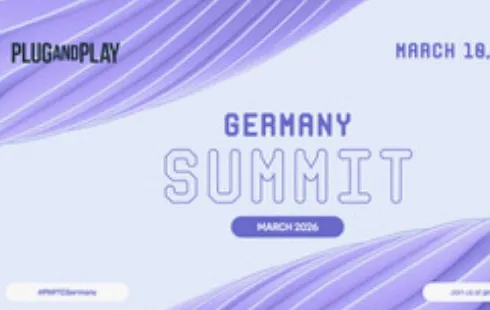
Munich Signals Its Ambition at Plug and Play Tech Center AI Summit
Section: Business
In a notable legal move, two subsidiaries of the Austrian construction giant Strabag have initiated a lawsuit against Germany, claiming damages amounting to approximately EUR335 million, including interest. This legal action is being pursued in the U.S. District Court in Washington, D.C., rather than in German courts, as the company seeks to enforce its claims on an international level.
The case stems from a dispute over failed offshore wind farm projects in the North Sea. According to reports from German media, the subsidiaries, Erste Nordsee-Offshore-Holding GmbH and Zweite Nordsee-Offshore-Holding GmbH, had invested in these projects under the expectation of stable legal and regulatory frameworks. However, these conditions reportedly changed unfavorably for private project developers starting in mid-2012, which ultimately led to the cessation of the investment initiatives by January 2017. Strabag has indicated that the investments made prior to this cessation have largely become worthless.
Strabag is relying on the Energy Charter Treaty (ECT), which came into force in 1998 to provide security for investors. This treaty allows for investors to file lawsuits against states in arbitration courts. In December, the International Centre for Settlement of Investment Disputes (ICSID) ruled in favor of Strabag, establishing a compensation payment of around EUR240 million plus interest. The German Ministry of Economics attempted to counter the claims by referencing a ruling from the European Court of Justice, which stated that the Energy Charter, from which Germany has withdrawn, violates EU law.
In response to the legal proceedings, the globalization-critical NGO Attac has voiced its criticism of Strabag's actions. A representative from Attac Austria stated that the lawsuit undermines not only European law but also the democratic autonomy of states. The organization is advocating for Austria to exit the Energy Charter, which primarily protects investments in fossil fuel projects. While the European Union decided to withdraw from the treaty in May 2024, Austria has yet to follow suit, according to Attac.
Section: Business
Section: Health Insurance

Section: News

Section: Arts

Section: Health

Section: Fashion
Section: Politics

Section: Fashion

Section: News
Section: Fashion
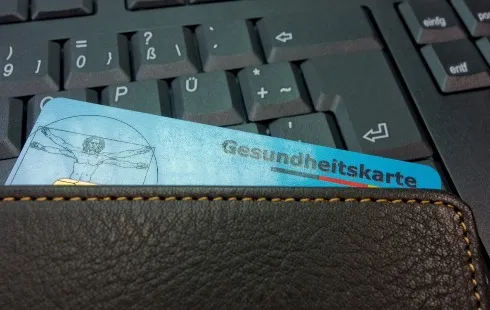
Both private Health Insurance in Germany and public insurance, is often complicated to navigate, not to mention expensive. As an expat, you are required to navigate this landscape within weeks of arriving, so check our FAQ on PKV. For our guide on resources and access to agents who can give you a competitive quote, try our PKV Cost comparison tool.
Germany is famous for its medical expertise and extensive number of hospitals and clinics. See this comprehensive directory of hospitals and clinics across the country, complete with links to their websites, addresses, contact info, and specializations/services.
Join us at the Kunstraum in der Au for the exhibition titled ,,Ereignis: Erzählung" by Christoph Scheuerecker, focusing on the captivating world of bees. This exhibition invites visitors to explore the intricate relationship between bees and their environment through various artistic expressions,...



No comments yet. Be the first to comment!