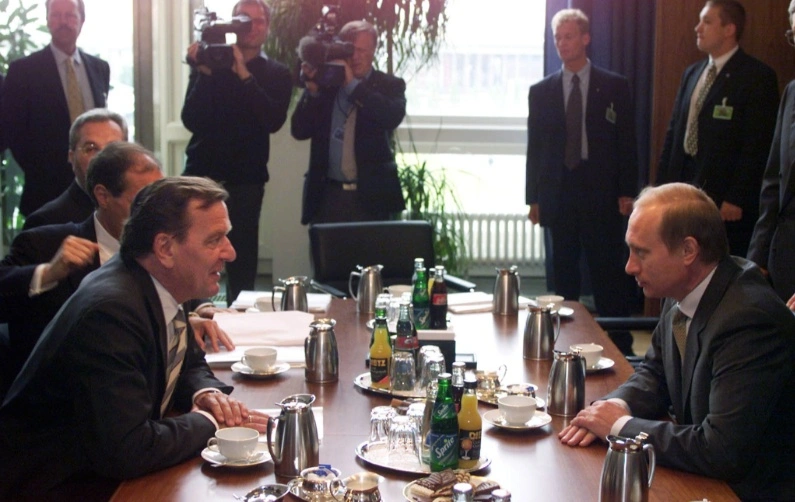
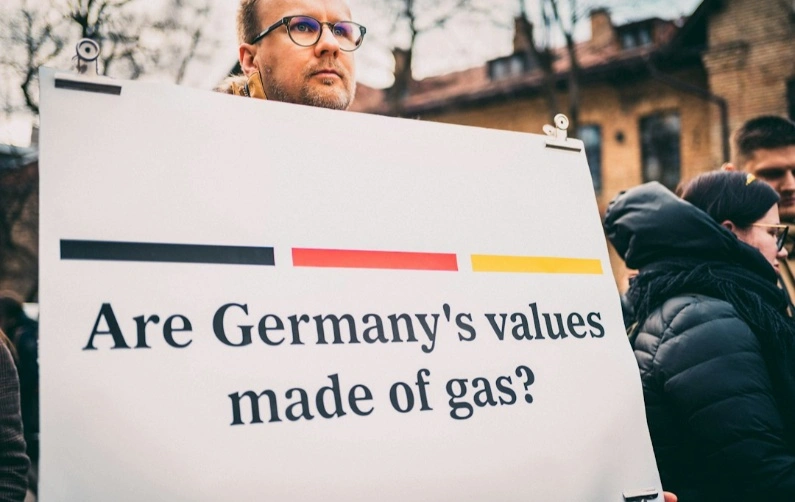
Former German Chancellor Schröder criticised for attending Putin's birthday
Section: News
Swedish investors are experiencing record levels of new investments, with contributions reaching SEK 202 billion last year, according to the Swedish Investment Fund Association. However, concerns have emerged over the long-term impact of increasing fund management fees, which could significantly erode potential returns over time.
The national financial regulator has highlighted that many investors struggle to understand the costs associated with various investment funds and the differences between fee structures. Data indicates that the average fee for global index funds recently stood at 0.4 percent, which is double the average for Swedish index funds. In contrast, actively managed funds had a median fee of 1.3 percent, illustrating a significant disparity in costs depending on fund type.
Financial experts emphasize that even minor differences in annual fees can accumulate over extended periods, potentially resulting in considerable reductions in overall investment returns. For example, a difference of just one percentage point in annual fees could translate into hundreds of thousands of kronor lost to fees over a few decades, particularly for long-term savers.
While a higher fee may sometimes be justified by superior fund performance, predicting market movements remains difficult. Investors are encouraged to compare the fees of their chosen funds with average fees for similar products as a straightforward method to assess value. Additionally, diversifying across several indices is advised to distribute risk more effectively. Investors are also reminded to consider currency risk when investing in international funds, as fluctuations in the Swedish krona can influence returns.
Analysis from a leading personal finance expert reveals that Swedish households have gained greater capacity to invest in the stock market. Nevertheless, notable changes in investment patterns have been observed. During the previous year, Swedish investments in North American equities fell by SEK 57 billion, marking the largest outflow from this region since 2010. This decline coincided with periods of increased political uncertainty in the United States, prompting many to reconsider their exposure to American stocks.
Despite the reduction in direct investments in US equities, global funds--which often hold substantial allocations in US markets--saw an inflow of over SEK 160 billion. This shift suggests that while investors may be seeking broader diversification, they remain significantly exposed to US assets through global funds. At the same time, capital has flowed into European funds, which saw an increase of nearly SEK 50 billion, and to a lesser extent, into funds focused on Sweden and other Nordic countries.
Analysts attribute part of this trend to the relative strength of the Swedish krona, which has diminished returns on US investments and made European and domestic assets more attractive. The data also shows modest inflows into markets such as Asia, China, and Eastern Europe, indicating a cautious approach to portfolio diversification among Swedish investors.
Key figures from the Swedish Investment Fund Association for 2025:
Financial authorities continue to recommend that investors remain vigilant about the impact of fees on their savings. They also advise regular reviews of fund performance, diversification strategies, and currency exposure to optimize long-term investment outcomes.
Section: News

Section: Science
Section: Business

Section: Business
Section: Science

Section: News
Section: Politics
Section: News

Section: Fashion
Section: Arts
Both private Health Insurance in Germany and public insurance, is often complicated to navigate, not to mention expensive. As an expat, you are required to navigate this landscape within weeks of arriving, so check our FAQ on PKV. For our guide on resources and access to agents who can give you a competitive quote, try our PKV Calculator.
Germany is famous for its medical expertise and extensive number of hospitals and clinics. See this comprehensive directory of hospitals and clinics across the country, complete with links to their websites, addresses, contact info, and specializations/services.
Didn't manage to get a ticket for Linkin Park? Or still not enough after the concert? Join us at CRASH on June 12th for our "IN THE END" Linkin Park Special + CORE NIGHT.All night long, we'll be playing Linkin Park's music, along with Nu Metal, Metalcore, and Alternative Rock from bands such as Limp...



No comments yet. Be the first to comment!