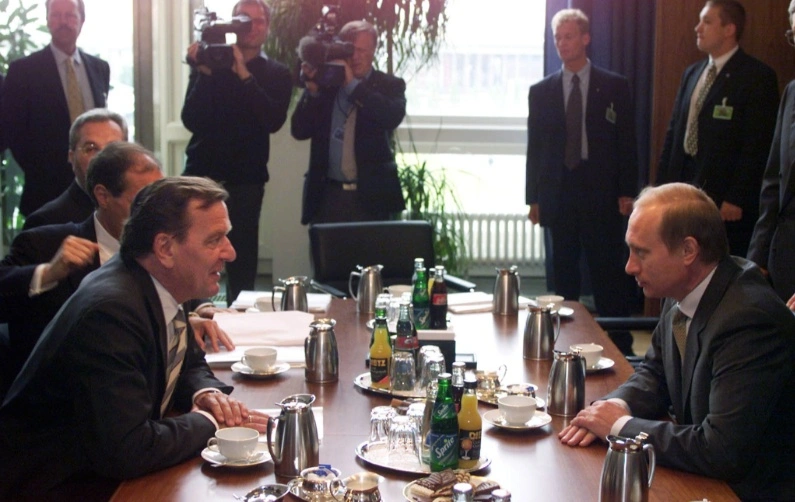
Former German Chancellor Schröder criticised for attending Putin's birthday
Section: News
Sweden is currently at risk of losing significant offshore wind power investments due to regulatory uncertainties and shifting market conditions. In recent years, projections indicated that major industrial projects in northern Sweden would drive a demand of up to 70 terawatt-hours (TWh) of electricity within two decades. To address this anticipated need, multiple companies proposed large-scale offshore wind farms, submitting around ten applications to the government in 2023. However, only two applications have been filed this year, reflecting a slowdown in sector activity.
The decline in industrial demand in northern Sweden is a major factor behind this trend. Several planned industrial expansions have either been postponed or canceled, resulting in a lower immediate requirement for electricity. Additionally, the region continues to experience low electricity prices, while the costs associated with constructing offshore wind farms remain high. These factors have made it challenging for offshore wind projects to be financially viable, especially when compared to onshore wind power, which currently benefits from lower production costs and a more favorable market environment.
Despite these challenges, some companies remain committed to developing offshore wind projects in Sweden. Skyborn Renewables, for example, is advancing several initiatives domestically and internationally. One of its key projects is a proposed wind farm in the Bothnian Bay near Kalix, which aims to install 120 turbines with the potential to generate up to 10 TWh of electricity annually--equivalent to approximately six percent of Sweden's total yearly electricity production.
The offshore wind sector is experiencing delays as companies await decisions from government authorities regarding project permits and potential changes to the approval process. Industry representatives have highlighted the need for greater clarity and support from policymakers. They argue that the evolving conditions for offshore wind power, such as increased financial risk and changing market demand, require new policy measures to ensure continued investment and development in the sector.
One proposed solution involves introducing risk-sharing and financing mechanisms similar to those recently considered for new nuclear power projects. Such mechanisms could include state-backed credit guarantees to help reduce the financial burden on companies investing in offshore wind capacity. Another suggested measure is the implementation of fixed-price agreements, where the state would compensate producers if market electricity prices fall below an agreed threshold. This approach is already in use in several European countries and is seen as a way to enhance market stability and investor confidence.
Industry leaders maintain that expanding offshore wind power is essential to meeting Sweden's future electricity demands, particularly as the country aims to transition to more sustainable energy sources. However, they emphasize that government action is necessary to address current challenges and facilitate the timely development of these large-scale renewable energy projects.
At present, multiple offshore wind projects, including Skyborn's Eystrasalt park off the coast of Hudiksvall, are awaiting governmental approval. The uncertainty surrounding permit timelines and financial frameworks has led stakeholders to call for immediate policy interventions to prevent the loss of multi-billion-euro investments to other markets. Government officials have not yet issued public statements regarding these concerns.
Section: News

Section: Science
Section: Business

Section: Business
Section: Science
Section: News
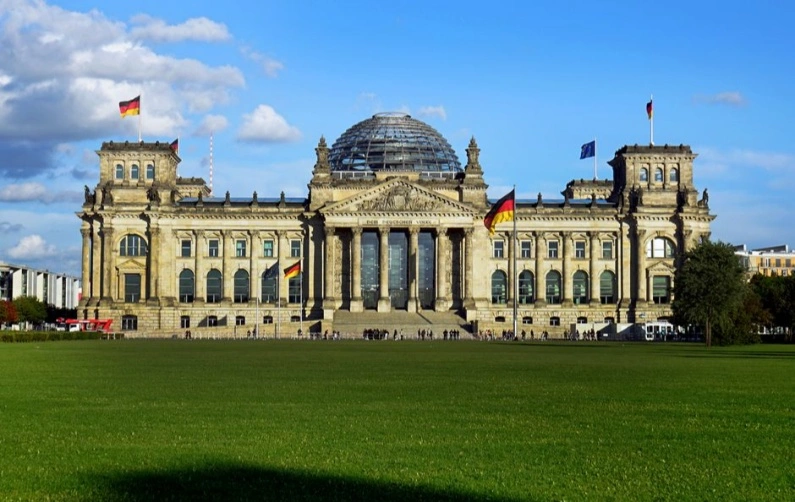
Section: Politics
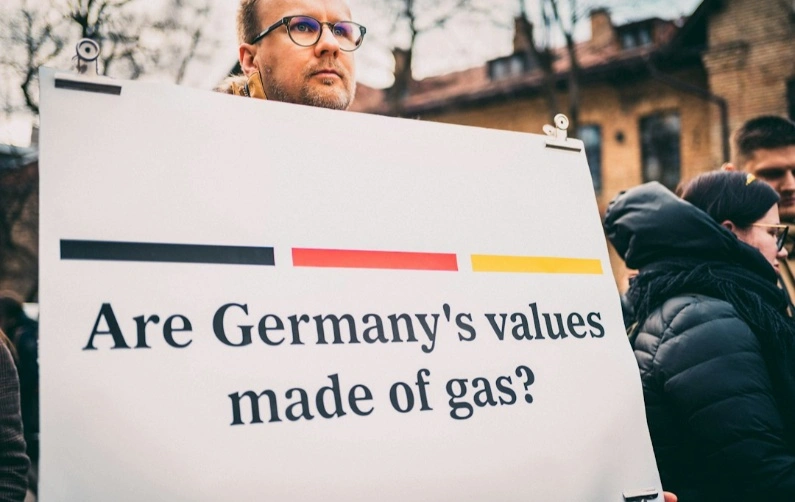
Section: News

Section: Fashion
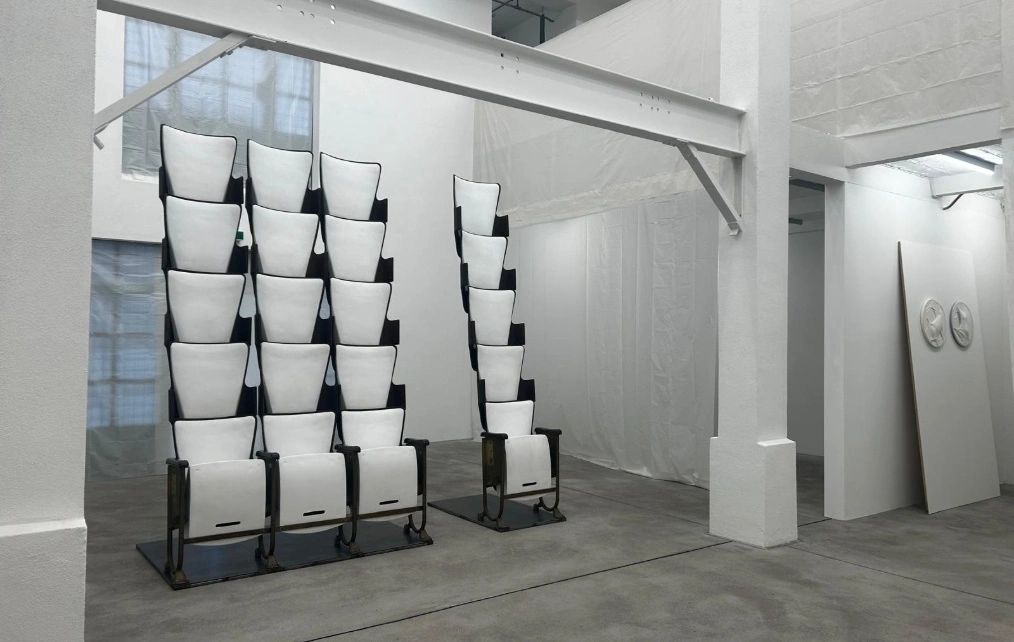
Section: Arts
Both private Health Insurance in Germany and public insurance, is often complicated to navigate, not to mention expensive. As an expat, you are required to navigate this landscape within weeks of arriving, so check our FAQ on PKV. For our guide on resources and access to agents who can give you a competitive quote, try our PKV Calculator.
Germany is famous for its medical expertise and extensive number of hospitals and clinics. See this comprehensive directory of hospitals and clinics across the country, complete with links to their websites, addresses, contact info, and specializations/services.
Didn't manage to get a ticket for Linkin Park? Or still not enough after the concert? Join us at CRASH on June 12th for our "IN THE END" Linkin Park Special + CORE NIGHT.All night long, we'll be playing Linkin Park's music, along with Nu Metal, Metalcore, and Alternative Rock from bands such as Limp...



No comments yet. Be the first to comment!