
Munich Signals Its Ambition at Plug and Play Tech Center AI Summit
Section: Business
In Sweden, small businesses and their employees are the largest contributors to municipal tax revenues in 90% of the country's municipalities. This vital sector, encompassing local shops, construction firms, restaurants, consultancies, hairdressers, and workshops, is not only the heartbeat of urban centers but also a crucial driver of welfare in the region. According to a recent report from Företagarna, small enterprises and their workforce account for 25% of the municipal tax revenue generated in Värmland.
Despite their significant contribution, these businesses often find themselves overlooked in political discussions and decision-making processes, from local government offices to the national parliament. Recent years have seen a troubling trend, with over 10,000 corporate bankruptcies reported across Sweden in 2024--the highest figure in many years. Concurrently, the rate of new business formations is declining, compounded by an aging demographic among business leaders, which indicates an impending generational shift that lacks a corresponding influx of new entrepreneurs.
This situation creates a precarious environment for the economy, which is already grappling with rising unemployment. In Värmland, small businesses are responsible for 50% of all jobs in privately owned companies, often providing the first employment opportunities for young people, immigrants, and those re-entering the labor market. The reduction in long-term unemployment in many parts of Sweden can be largely attributed to the efforts of these small business owners.
However, the question arises: what measures are being taken to support these essential businesses? Efforts to assist them often appear to be limited to local initiatives. Municipalities bear a significant responsibility to foster business-friendly environments. Challenges such as bureaucratic red tape, slow permit processes, and excessive fees are stifling entrepreneurship. In many cases, the issue is not a lack of funding but rather a disconnect in understanding between local governments and the business community. It is imperative that municipalities transition from being adversaries to allies for local businesses.
To enhance the business landscape, several reforms are necessary:
Most jobs and tax revenues from the private sector stem from small enterprises located in rural areas and smaller municipalities. This is where the true strength of the Swedish economy resides. However, if these businesses are continually burdened with rising costs, uncertainty, and bureaucracy, there is a real risk of losing the foundation that has historically strengthened our society.
A long-term commitment is required, focusing on simpler regulations, fair taxation, and genuine dialogue between the business sector and public authorities. When small businesses thrive, Värmland thrives.
Section: Business
Section: Health Insurance

Section: News

Section: Arts

Section: Health

Section: Fashion

Section: Politics

Section: Fashion

Section: News

Section: Fashion
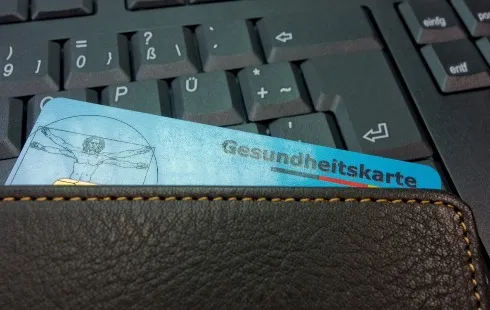
Both private Health Insurance in Germany and public insurance, is often complicated to navigate, not to mention expensive. As an expat, you are required to navigate this landscape within weeks of arriving, so check our FAQ on PKV. For our guide on resources and access to agents who can give you a competitive quote, try our PKV Cost comparison tool.
Germany is famous for its medical expertise and extensive number of hospitals and clinics. See this comprehensive directory of hospitals and clinics across the country, complete with links to their websites, addresses, contact info, and specializations/services.
Join us at the Kunstraum in der Au for the exhibition titled ,,Ereignis: Erzählung" by Christoph Scheuerecker, focusing on the captivating world of bees. This exhibition invites visitors to explore the intricate relationship between bees and their environment through various artistic expressions,...



No comments yet. Be the first to comment!