
Gipsy Kings: "Music Is a Natural Way of Life"
Section: Arts
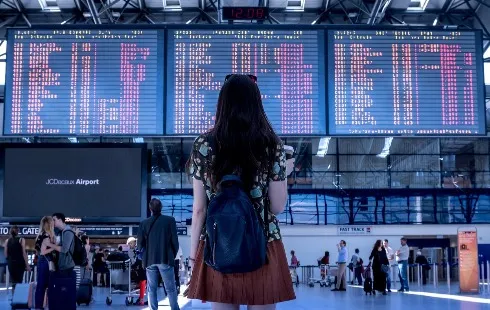
Passengers affected by flight delays may soon find their rights to compensation significantly weakened, according to consumer advocacy groups. Currently, EU member states are deliberating a proposal from the European Commission that seeks to adjust compensation thresholds for air travelers experiencing delays.
Under the existing 2004 flight rights regulation (EC 261), passengers are entitled to a compensation ranging from EUR250 to EUR600 if their flight is delayed by three hours or more. The new proposal, however, suggests increasing this threshold to between five to twelve hours based on flight distance, which consumer advocates warn could eliminate approximately 80% of compensation claims.
Critics of the proposed changes include Germany's Federal Minister of Justice, who has expressed strong opposition to modifying the compensation guidelines. The Minister emphasized that consumer rights should not be regarded as disposable luxuries, particularly during economically challenging times. She intends to advocate for maintaining the current compensation threshold at three hours.
Experts from the European Consumer Centre in Germany have labeled the adjustments as a significant regression for passenger rights. They argue that most flight delays typically range from two to four hours, thereby suggesting that airlines might exploit the new rules to intentionally delay flights instead of canceling them, in an effort to evade compensation obligations.
The European lobby group Airlines for Europe (A4E) supports the proposed reform, arguing that extended compensation windows would allow airlines more time to find alternative solutions, such as arranging replacement aircraft or crews when operational issues arise. They assert that this could ultimately benefit passengers by helping restore flight schedules more effectively.
The outcome of these discussions remains uncertain. It is still unclear to what extent EU member states will adopt the Commission's proposal or suggest any amendments. Furthermore, a final agreement must be reached with the European Parliament, which will also play a crucial role in determining the final shape of any reforms.
Section: Arts

Section: Fashion

Section: Health Insurance

Section: News

Section: Politics
Section: Business

Section: Health

Section: Arts

Section: Politics

Section: Business
Both private Health Insurance in Germany and public insurance, is often complicated to navigate, not to mention expensive. As an expat, you are required to navigate this landscape within weeks of arriving, so check our FAQ on PKV. For our guide on resources and access to agents who can give you a competitive quote, try our PKV Cost comparison tool.
Germany is famous for its medical expertise and extensive number of hospitals and clinics. See this comprehensive directory of hospitals and clinics across the country, complete with links to their websites, addresses, contact info, and specializations/services.
Didn't manage to get a ticket for Linkin Park? Or still not enough after the concert? Join us at CRASH on June 12th for our "IN THE END" Linkin Park Special + CORE NIGHT.All night long, we'll be playing Linkin Park's music, along with Nu Metal, Metalcore, and Alternative Rock from bands such as Limp...


No comments yet. Be the first to comment!