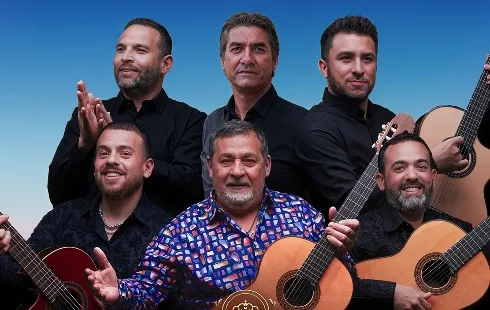
Gipsy Kings: "Music Is a Natural Way of Life"
Section: Arts
The future of a massive compensation package for Tesla's CEO and founder, Elon Musk, is set to be determined as shareholders prepare to cast their votes. The proposed performance-based bonus, one of the largest in corporate history, has sparked significant debate among stakeholders and market observers.
The Tesla board, led by Chair Robyn Denholm, has advocated for the approval of the package, emphasizing Musk's central role in the company's growth and future ambitions. The board contends that Tesla's valuation and innovation trajectory are closely linked to Musk's continued leadership. In communications to shareholders, the board has warned that failing to adequately reward Musk could risk his departure, potentially impacting the company's long-term value and strategic direction.
Conversely, several major institutional investors have voiced reservations regarding the scale of the proposed bonus. Notably, Norway's sovereign wealth fund, which holds approximately one percent of Tesla's voting shares, has previously opposed similar compensation arrangements, citing concerns over corporate governance and the sheer magnitude of the payout. Proxy advisory firm ISS, which guides institutional investors on voting decisions, has also recommended voting against the package, citing similar apprehensions.
The compensation plan is structured to be awarded in Tesla shares, which, if all performance criteria are met, would increase Musk's ownership stake in the company from 13 percent to 25 percent. The bonus is not guaranteed; rather, it is contingent on Tesla achieving a series of ambitious financial and market capitalization targets. The most significant of these stipulates that Tesla's market value must reach $8.5 trillion, a substantial increase from its current valuation of around $1.5 trillion. The plan employs a tiered system, releasing portions of the bonus as specific milestones are reached.
After Musk, the largest shareholders in Tesla are investment firms Vanguard and BlackRock, each holding between six and seven percent of the company's stock. The outcome of the shareholder vote will therefore rely heavily on the positions taken by these institutional investors and the broader shareholder base.
Elon Musk is already recognized as the wealthiest individual globally, according to the Bloomberg Billionaires Index, with an estimated net worth of $477 billion. This positions him well ahead of other notable business leaders. The scale of his fortune and the proposed bonus have drawn attention not only for their financial implications but also for the broader discussions they have sparked on executive compensation, corporate governance, and the influence of high-profile CEOs on company performance and valuation.
Beyond financial matters, Musk's public engagements and political associations have also been in the spotlight, contributing to divided opinions among stakeholders. However, the upcoming vote remains focused on the core issue of executive compensation and Tesla's future leadership structure.
The result of the shareholder decision is anticipated to have significant repercussions for Tesla's strategic direction, corporate governance standards, and potentially the broader practices of performance-based compensation in the technology and automotive industries.
Section: Arts
Section: Fashion

Section: Health Insurance

Section: News

Section: Politics
Section: Business

Section: Health
Section: Arts
Section: Politics

Section: Business
Both private Health Insurance in Germany and public insurance, is often complicated to navigate, not to mention expensive. As an expat, you are required to navigate this landscape within weeks of arriving, so check our FAQ on PKV. For our guide on resources and access to agents who can give you a competitive quote, try our PKV Cost comparison tool.
Germany is famous for its medical expertise and extensive number of hospitals and clinics. See this comprehensive directory of hospitals and clinics across the country, complete with links to their websites, addresses, contact info, and specializations/services.
Didn't manage to get a ticket for Linkin Park? Or still not enough after the concert? Join us at CRASH on June 12th for our "IN THE END" Linkin Park Special + CORE NIGHT.All night long, we'll be playing Linkin Park's music, along with Nu Metal, Metalcore, and Alternative Rock from bands such as Limp...



No comments yet. Be the first to comment!