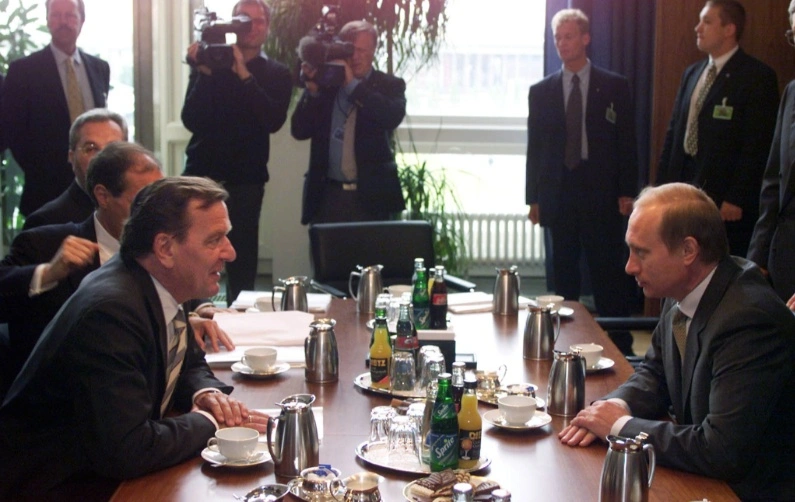
Former German Chancellor Schröder criticised for attending Putin's birthday
Section: News
The proportion of women working part-time in Austria experienced a noticeable decrease during the third quarter of the year, according to recent data from Statistics Austria. Between July and September, the number of women engaged in part-time employment dropped by approximately 33,400 compared to the same period last year. Simultaneously, full-time employment among women increased by around 38,600, resulting in the part-time employment rate for women falling by 1.7 percentage points to 49.1%.
The shift in employment patterns is attributed to several factors. One significant driver has been a decline in employment within the retail sector, a field traditionally associated with high rates of part-time work. In contrast, there has been a noticeable rise in job opportunities within public administration, which predominantly offers full-time positions. These trends have collectively contributed to the overall reduction in the women's part-time employment rate.
In contrast to the downward trend among women, the rate of part-time employment for men in Austria increased by 0.6 percentage points, reaching 14% in the third quarter when compared to the previous year. Long-term data illustrates that, two decades ago, the part-time employment rate stood at 39.3% for women and 6.2% for men, highlighting the persistent gender gap in employment patterns.
Within the European Union, Austria continues to exhibit one of the highest rates of part-time employment among women, ranking third behind the Netherlands and Germany. The topic of part-time work has been a recurring subject in Austrian political and economic discussions, especially in the context of labor shortages and the impact on national insurance systems. Some policymakers have expressed concern over the macroeconomic consequences of high part-time employment rates, including potential strains on social security funding and the availability of skilled labor.
Recent years have seen political initiatives aimed at encouraging a shift towards full-time employment. Proposals have included incentives for full-time work, such as the introduction of a full-time employment bonus. In contrast, other stakeholders, including labor unions and political parties, emphasize the importance of caregiving and family responsibilities as primary reasons for part-time work among women. Policy debates continue, with some groups advocating for greater support for those with care duties, while others call for stronger incentives to increase full-time workforce participation.
Another notable trend highlighted in the data is the increase in employment among women aged 55 to 64. The employment rate in this age group rose by 4.7 percentage points to 56.8% compared to the previous year, a development largely attributed to the gradual increase in the statutory retirement age. Despite this progress, Austria's employment rate for older individuals remains below the European average, according to Statistics Austria.
Overall, the latest labor market data reflect ongoing structural changes in Austria's workforce, with shifting employment patterns influenced by sectoral developments, demographic trends, and policy initiatives. As the debate over part-time versus full-time employment continues, policymakers and analysts will be observing future trends closely to assess the broader economic and social implications.
Section: News

Section: Science

Section: Business

Section: Business
Section: Science

Section: News
Section: Politics
Section: News

Section: Fashion
Section: Arts
Both private Health Insurance in Germany and public insurance, is often complicated to navigate, not to mention expensive. As an expat, you are required to navigate this landscape within weeks of arriving, so check our FAQ on PKV. For our guide on resources and access to agents who can give you a competitive quote, try our PKV Calculator.
Germany is famous for its medical expertise and extensive number of hospitals and clinics. See this comprehensive directory of hospitals and clinics across the country, complete with links to their websites, addresses, contact info, and specializations/services.
Didn't manage to get a ticket for Linkin Park? Or still not enough after the concert? Join us at CRASH on June 12th for our "IN THE END" Linkin Park Special + CORE NIGHT.All night long, we'll be playing Linkin Park's music, along with Nu Metal, Metalcore, and Alternative Rock from bands such as Limp...



No comments yet. Be the first to comment!