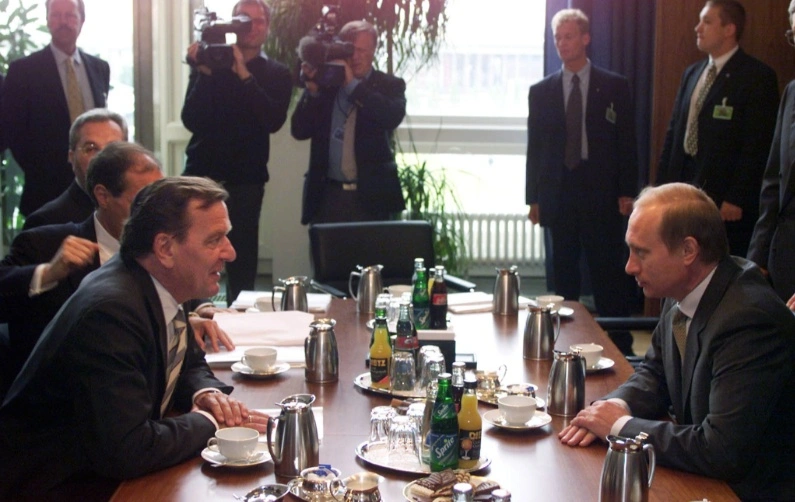
Former German Chancellor Schröder criticised for attending Putin's birthday
Section: News
Sweden has experienced a challenging period marked by rising costs across essential goods and services. Over the past year, households have contended with increased rental rates, higher food prices--especially notable in products like coffee--and rising electricity costs, among other everyday expenses. Despite these pressures, economic indicators suggest that the country may soon see relief from this renewed inflation wave.
To understand inflation trends, it is important to consider the two primary measures used in Sweden. The first is the Consumer Price Index (KPI), which tracks overall changes in the cost of living for Swedish residents. Recent data shows that KPI inflation has decreased to an annual rate of 1 percent. This decline is largely attributed to falling interest expenses, which have offset the rising prices seen in other sectors.
The second measure, KPIF, is the inflation index utilized by the Swedish central bank (Riksbanken) for policy decisions. This metric excludes the impact of fluctuating interest costs and, as such, provides a clearer picture of core inflation. Over the last year, KPIF inflation rose from nearly 1 percent to over 3 percent. While this increase is significant, it remains well below the peak levels observed during the first major inflation surge in the winter of 2022-2023, when inflation exceeded 10 percent.
Preliminary figures for September indicate that KPIF inflation has now stabilized, with prices remaining steady month-on-month. Several indicators point to a potential decrease in inflation moving forward. Regular surveys of company pricing plans suggest that businesses anticipate only moderate price increases in the near future. Additionally, there are currently no major sources of cost pressure within the Swedish economy, and global economic conditions appear relatively favorable. The appreciation of the Swedish krona since the beginning of the year has also contributed to reducing the cost of imported goods.
While forecasts for Sweden's economic growth and labor market in the coming year remain uncertain, there is broad consensus among analysts that inflation is set to fall. If these expectations hold, the central bank's recent decision to halt interest rate cuts is likely to remain unchanged. Any future adjustments to the policy rate are expected to be increases, but such changes are not anticipated in the immediate term.
In summary, Swedish households have endured a secondary period of inflation, but current trends suggest that the peak of this phase has passed. With stabilizing prices and a favorable economic outlook, Sweden is poised to move beyond the recent inflationary pressures.
Section: News

Section: Science

Section: Business

Section: Business
Section: Science

Section: News
Section: Politics
Section: News

Section: Fashion
Section: Arts
Both private Health Insurance in Germany and public insurance, is often complicated to navigate, not to mention expensive. As an expat, you are required to navigate this landscape within weeks of arriving, so check our FAQ on PKV. For our guide on resources and access to agents who can give you a competitive quote, try our PKV Calculator.
Germany is famous for its medical expertise and extensive number of hospitals and clinics. See this comprehensive directory of hospitals and clinics across the country, complete with links to their websites, addresses, contact info, and specializations/services.
Didn't manage to get a ticket for Linkin Park? Or still not enough after the concert? Join us at CRASH on June 12th for our "IN THE END" Linkin Park Special + CORE NIGHT.All night long, we'll be playing Linkin Park's music, along with Nu Metal, Metalcore, and Alternative Rock from bands such as Limp...



No comments yet. Be the first to comment!