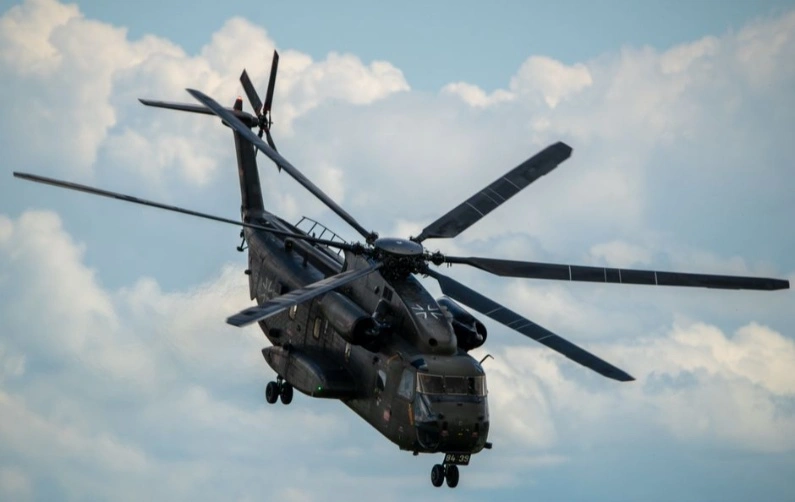
Record Orders in German Industry Driven by Defense Spending
Section: Politics
In the aftermath of devastating floods in southeastern Australia, thousands of residents remain without electricity. Authorities in New South Wales reported that approximately 10,000 buildings have sustained damage due to the severe weather conditions, leaving numerous communities, affecting around 50,000 people, cut off from the outside world.
Rescue efforts are underway, focusing on providing assistance to those isolated by the floods. A spokesperson for the emergency services indicated that they are committed to delivering supplies via land, water, and air to those in need. Residents have been urged to stay in safe locations and refrain from traversing floodwaters.
Prime Minister Anthony Albanese had to cancel a planned visit to Taree, situated north of Sydney, due to challenging access conditions. He acknowledged the ongoing difficulties, mentioning that flood warnings and evacuation orders remain in effect.
The death toll from the flooding has tragically reached five, following the recovery of a man's body in Taree. As residents started returning to their damaged homes on Friday after several days of relentless rain, the extent of the destruction became evident. In just three days, the region recorded rainfall equivalent to what is typically seen over six months, causing rivers to overflow and inundate entire towns.
Many individuals had to seek refuge on the roofs of their vehicles and homes as floodwaters rose. Emergency services reported rescuing more than 600 people from perilous situations. According to scientists, the frequency and intensity of such extreme weather events are exacerbated by climate change.
Wider areas across Australia, from the arid Outback to the tropical coastline, have experienced severe weather in recent times. The weather service has noted that ocean temperatures surrounding Australia have been unusually high in recent months, contributing to increased moisture in the atmosphere and leading to more intense rainfall.
Section: Politics

Section: Business
Section: Business

Section: Arts

Section: Business

Section: News
Section: Business
Section: News
Section: News

Section: Politics
Both private Health Insurance in Germany and public insurance, is often complicated to navigate, not to mention expensive. As an expat, you are required to navigate this landscape within weeks of arriving, so check our FAQ on PKV. For our guide on resources and access to agents who can give you a competitive quote, try our PKV Calculator.
Germany is famous for its medical expertise and extensive number of hospitals and clinics. See this comprehensive directory of hospitals and clinics across the country, complete with links to their websites, addresses, contact info, and specializations/services.
Didn't manage to get a ticket for Linkin Park? Or still not enough after the concert? Join us at CRASH on June 12th for our "IN THE END" Linkin Park Special + CORE NIGHT.All night long, we'll be playing Linkin Park's music, along with Nu Metal, Metalcore, and Alternative Rock from bands such as Limp...



No comments yet. Be the first to comment!