Binance hit by major cyberattack affecting $6.3 billion in cryptocurrency
Section: Business
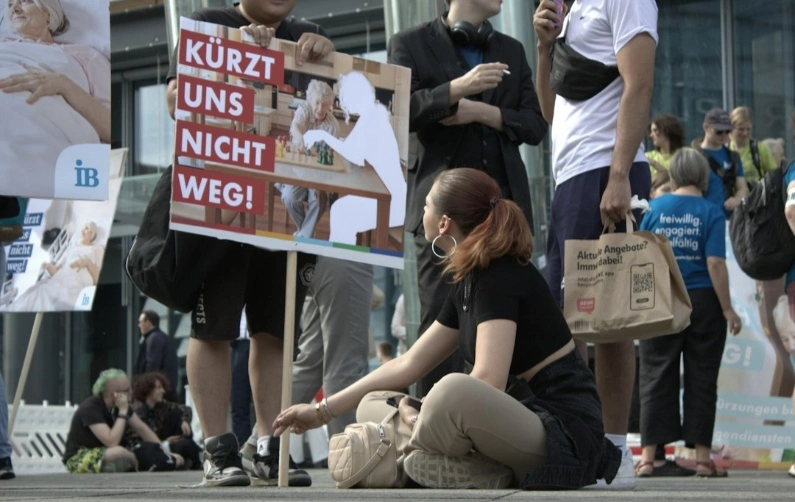
The anticipated nationwide "Gen Z regelt" protest in Germany fell short of expectations on participant numbers, with approximately 120,000 demonstrators attending across the country, according to the organizers. The protests occurred simultaneously in over 30 cities, but the attendance was marked by a notable discrepancy from the 180,000 anticipated sign-ups.
In Berlin, the protest centered at the Brandenburg Gate drew an estimated 5,000 participants by police count, although organizers claimed there were about 10,000 attendees. In a public address, Kaja Schwab, spokesperson for the initiative, expressed criticism of the political climate. She highlighted the challenges faced by the younger generation, noting that despite efforts to succeed, they encounter financial difficulties and potential conscription into military service.
The protests, overseen by "Gen Z regelt" in major cities such as Berlin, Cologne, Frankfurt am Main, and Munich, intended to give voice to the youth's domestic concerns. However, elsewhere, different organizations took charge of organizing the exercises, reflecting the broader frustrations among attendees about climate policy and economic conditions.
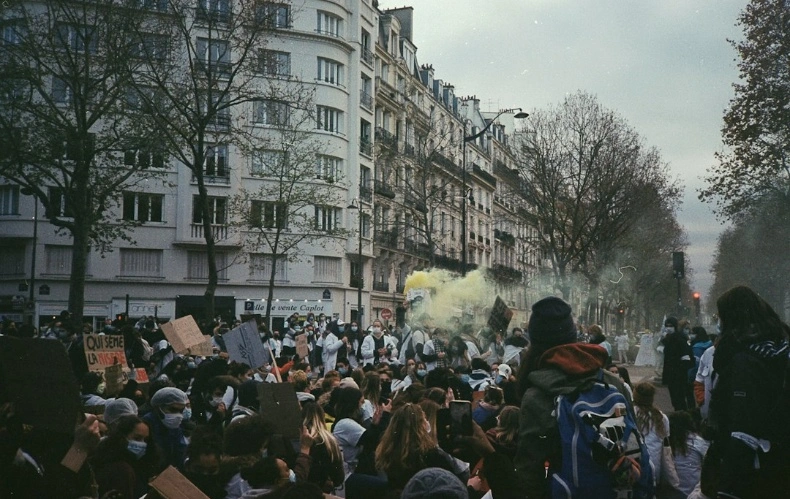
Frankfurt saw a turnout of up to 8,000 demonstrators, according to law enforcement. The procession experienced interruptions as some participants donned masks and lit smoke bombs. Disorders persisted into the night in parts of downtown, although detailed reports on the disturbances remain sparse.
In Cologne, thousands gathered, though the protest ended prematurely due to disturbances involving the use of pyrotechnics and participants concealing their identities. Similar actions occurred in other localities, such as Essen, Münster, and Bielefeld, with protests drawing participants in the low thousands.
Hamburg recorded a smaller attendance, estimated in the low thousands. There, isolated incidents involved the use of pyrotechnics and members of the police force being pelted. Despite the dramatic depictions, many of the protests were noted to remain peaceful, with discussions focused on societal issues coming to the forefront.
Nina Kolleck, a researcher in education and protest movements, pointed out a generational support duality, noting that older participants were present to back their younger counterparts. Still, the actual presence was remarkably less than projected, which, according to Kolleck, might relate to apprehensions about possible outbreaks of violence and a lack of mobilization from the Federal Students Conference.
The course of events also ignited discussions around the current modalities of protest in Germany, where engagements commonly present peaceful avenues for expression, centering on topical issues like economic strain faced by young people and environmental responsibilities.
As the "Gen Z regelt" demonstrations unfolded, political figures and authorities were put on notice about the underlying discontent within the younger populace, posing questions on how to engage with this dynamic demographic constructively in future policy discourse.
Section: Business

Section: News
Section: Business
Section: Health

Section: News
Section: Business

Section: Science
Section: News
Section: News

Section: Politics
Both private Health Insurance in Germany and public insurance, is often complicated to navigate, not to mention expensive. As an expat, you are required to navigate this landscape within weeks of arriving, so check our FAQ on PKV. For our guide on resources and access to agents who can give you a competitive quote, try our PKV Calculator.
Germany is famous for its medical expertise and extensive number of hospitals and clinics. See this comprehensive directory of hospitals and clinics across the country, complete with links to their websites, addresses, contact info, and specializations/services.
Didn't manage to get a ticket for Linkin Park? Or still not enough after the concert? Join us at CRASH on June 12th for our "IN THE END" Linkin Park Special + CORE NIGHT.All night long, we'll be playing Linkin Park's music, along with Nu Metal, Metalcore, and Alternative Rock from bands such as Limp...



No comments yet. Be the first to comment!