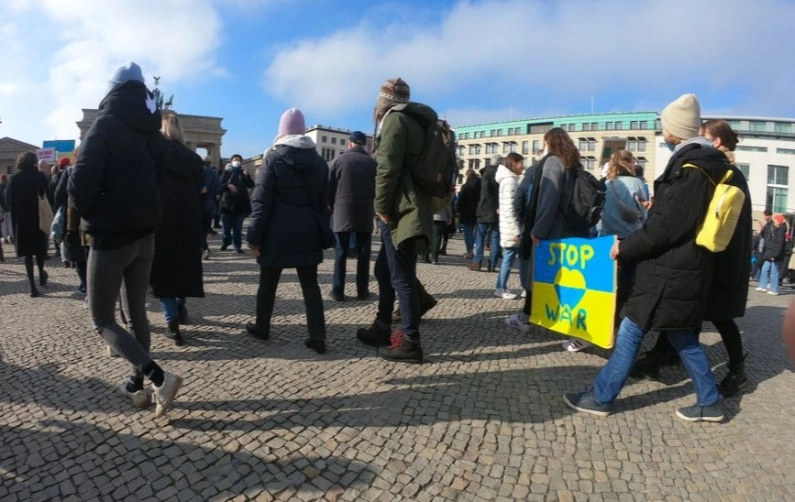
Berlin meeting discusses support for Ukraine
Section: Politics
IG Metall, Germany's largest trade union in the metal and electrical industry, began a series of 24-hour warning strikes on November 20, 2026. These strikes are part of a collective bargaining dispute affecting multiple firms across the sector. The union, representing hundreds of thousands of workers, called for the action after negotiations on wages and working conditions reached an impasse.
The warning strikes are taking place at various companies within the industry, affecting operations and showcasing union solidarity. IG Metall president Jörg Hofmann stated that the union is advocating for a more substantial wage increase to compensate for rising living costs, a sentiment widely echoed by union members.
These industrial actions are occurring amid escalating tensions between employers and the union. Representatives from the employers' associations have expressed disappointment over the strikes, arguing that the demands are not feasible in the current economic climate. Nonetheless, IG Metall maintains that the strikes are a necessary measure to bring about fair compensation for workers who continue to face economic pressures.
The industrial action is expected to have significant repercussions, potentially disrupting production schedules and impacting supply chains within the sector. Companies affected by the strikes include some of Germany's well-known manufacturers, although the specific firms involved have not been disclosed by the union.
The current series of strikes is the latest chapter in ongoing labor disputes in Germany's metal and electrical sector. This sector is pivotal to the country's economy, employing a large workforce and contributing significantly to export revenues. The union's demands are centered around a considerable wage hike and improved working conditions, issues that have gained prominence due to inflationary pressures and cost of living increases experienced by workers.
Employer representatives have criticized the timing of the strikes, pointing to a challenging market environment marked by global uncertainties and economic sluggishness. These concerns, however, have not deterred the union from pursuing its agenda. Hofmann has emphasized that the aim of the strikes is not only to secure better wages but also to safeguard job security and improve overall labor conditions in an industry that remains crucial to Germany's industrial output.
As IG Metall continues with its industrial action, negotiations remain a possibility, with both sides appearing open to returning to the bargaining table. However, substantial differences must be resolved to reach a satisfactory conclusion for all parties involved. The union has signaled its willingness to escalate industrial actions if its demands are not met, potentially leading to more widespread disruptions.
This confrontational stance underscores a broader trend of labor unrest seen in various sectors across Europe, where unions have been increasingly vocal in demanding better wages and conditions amidst economic uncertainties. Similar movements have been noted in industries ranging from transportation to public services, reflecting a growing sense of urgency among workers to achieve substantial improvements in their livelihoods.
IG Metall's action is being closely monitored by labor analysts, who view these strikes as potentially setting a precedent for other sectors grappling with similar issues. The outcome of these negotiations could influence labor relations not only in Germany but across the European Union, particularly if the union succeeds in achieving its stated objectives.
As the warning strikes proceed, both employers and the union face mounting pressure to find a mutual resolution that averts further industrial action. Stakeholders across the industry are hopeful for a swift and amicable settlement to prevent long-term disruptions that could affect Germany’s economic stability.
Source: tagesschau.de
Section: Politics

Section: News
Section: Politics
Section: News
Section: News
Section: News
Section: News
Section: Fashion
Section: News
Section: Business
Both private Health Insurance in Germany and public insurance, is often complicated to navigate, not to mention expensive. As an expat, you are required to navigate this landscape within weeks of arriving, so check our FAQ on PKV. For our guide on resources and access to agents who can give you a competitive quote, try our PKV Calculator.
Germany is famous for its medical expertise and extensive number of hospitals and clinics. See this comprehensive directory of hospitals and clinics across the country, complete with links to their websites, addresses, contact info, and specializations/services.
Didn't manage to get a ticket for Linkin Park? Or still not enough after the concert? Join us at CRASH on June 12th for our "IN THE END" Linkin Park Special + CORE NIGHT.All night long, we'll be playing Linkin Park's music, along with Nu Metal, Metalcore, and Alternative Rock from bands such as Limp...


No comments yet. Be the first to comment!