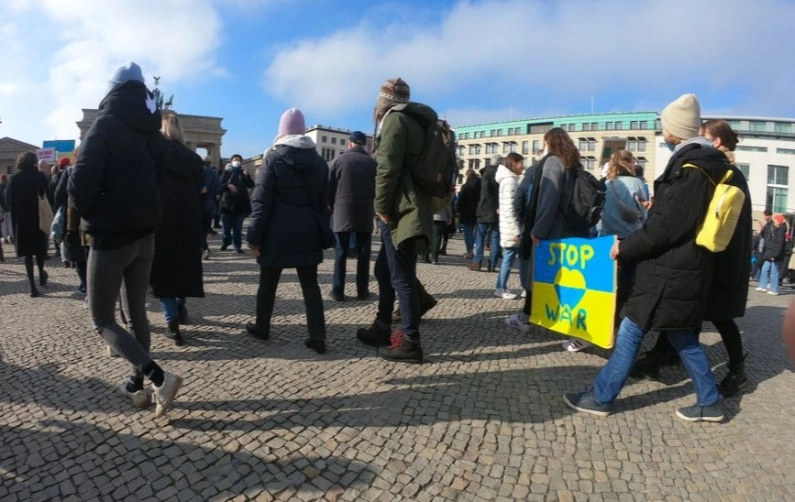
Berlin meeting discusses support for Ukraine
Section: Politics
Germany and Poland are advancing plans to enhance their military cooperation as part of a broader effort to fortify NATO's eastern flank against potential threats. German Defense Minister Boris Pistorius announced that the two countries aim to breathe life into a defense agreement they finalized over the summer, with a strategic roadmap expected to be completed by January consultations in Warsaw.
During a meeting with his Polish counterpart, Wladyslaw Kosiniak-Kamysz, in Warsaw, Pistorius emphasized the importance of this partnership in bolstering military collaboration and shared responsibility for European security. Kosiniak-Kamysz highlighted a particular interest in expanding cooperation within the defense industry to ensure Europe becomes less dependent on external resources, secures supply chains, and maintains robust weapon production capabilities.
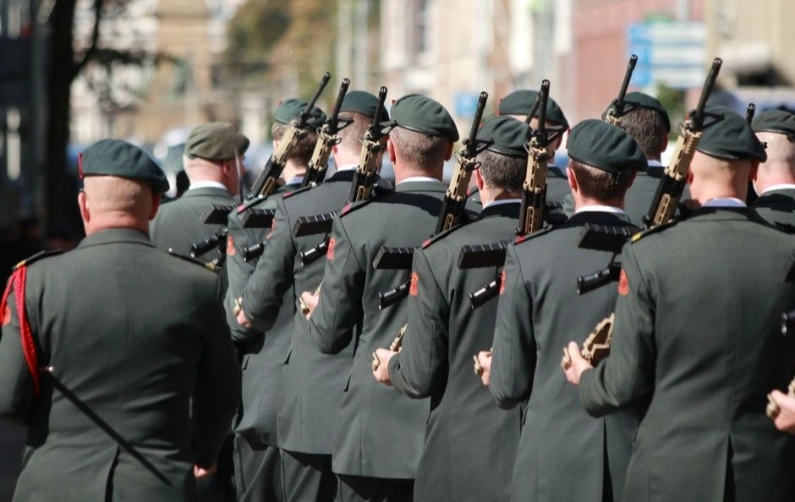
The agreement, originally signed in June, seeks to address security challenges posed by Russia. Pistorius underscored ongoing joint military operations aimed at protecting NATO's eastern territories. As part of this collaboration, Germany has dispatched more than 2,000 troops and hundreds of military vehicles to Poland for the "Grand Eagle" exercise. Additionally, Germany is supporting Poland with Patriot air defense systems and Eurofighter jets for enhanced air defense operations.
The bilateral relationship between Germany and Poland has improved markedly since the return of Polish Prime Minister Donald Tusk to office in 2023. Despite this progress, historical tensions between the two nations persist, resulting in some Polish public skepticism towards Germany. Acknowledging these sentiments, Pistorius remarked that the current level of cooperation is "anything but a given."
During his visit to Poland, Pistorius also paid his respects at Auschwitz-Birkenau, the site of a former Nazi concentration and extermination camp, warning against the rise of nationalism and extremism in Europe. He described nationalism as historically being a cause rather than a solution to many problems. At Auschwitz, he reflected on the gravity of Germany's historical crimes and urged a commitment to ensuring such tragedies never recur.
Pistorius’s itinerary in Poland includes visits to several other historical sites, including the Tomb of the Unknown Soldier, the former Warsaw Ghetto, and the monument commemorating the Warsaw Uprising against German occupation.
Section: Politics

Section: News
Section: Politics
Section: News
Section: News
Section: News
Section: News

Section: Fashion

Section: News
Section: Business
Both private Health Insurance in Germany and public insurance, is often complicated to navigate, not to mention expensive. As an expat, you are required to navigate this landscape within weeks of arriving, so check our FAQ on PKV. For our guide on resources and access to agents who can give you a competitive quote, try our PKV Calculator.
Germany is famous for its medical expertise and extensive number of hospitals and clinics. See this comprehensive directory of hospitals and clinics across the country, complete with links to their websites, addresses, contact info, and specializations/services.
Didn't manage to get a ticket for Linkin Park? Or still not enough after the concert? Join us at CRASH on June 12th for our "IN THE END" Linkin Park Special + CORE NIGHT.All night long, we'll be playing Linkin Park's music, along with Nu Metal, Metalcore, and Alternative Rock from bands such as Limp...


No comments yet. Be the first to comment!