
Why Marie Antoinette Showed Up All Over Fashion Week This Year
Section: Fashion
On April 9, 1925, a new investigation was initiated against the Ankerbrotfabrik, a prominent bread factory. This action comes in the wake of a decision by the subcommittee of the Pricing Commission, established by the government itself, which deemed a price increase for bread to be permissible. The commission reached an agreement on specific amounts and a structured implementation that was intended to align with forthcoming wage increases.
Despite this prior agreement, the government has now contradicted the very commission it appointed, indicating a lack of coherence in its economic policies. This situation underscores the ongoing challenges posed by the Price Speculation Act, which has created an environment where legal certainty and rational commercial calculations are nearly impossible. The Vienna Chamber of Commerce has recently indicated its intention to advocate for the repeal of this outdated legislation, which is seen as a remnant of the wartime and inflationary period.
Industry leaders argue that it is high time for this law to be abolished, as it hampers economic stability and growth. The repercussions of such regulatory uncertainty not only affect manufacturers like Ankerbrotfabrik but also have broader implications for the entire economic landscape of Austria.
As the investigation unfolds, stakeholders are left questioning the government's commitment to a coherent and fair economic policy that supports both consumers and producers. The events of today serve as a reminder of the complexities involved in managing economic regulations and the need for clear communication between government bodies and the industries they oversee.
Section: Fashion
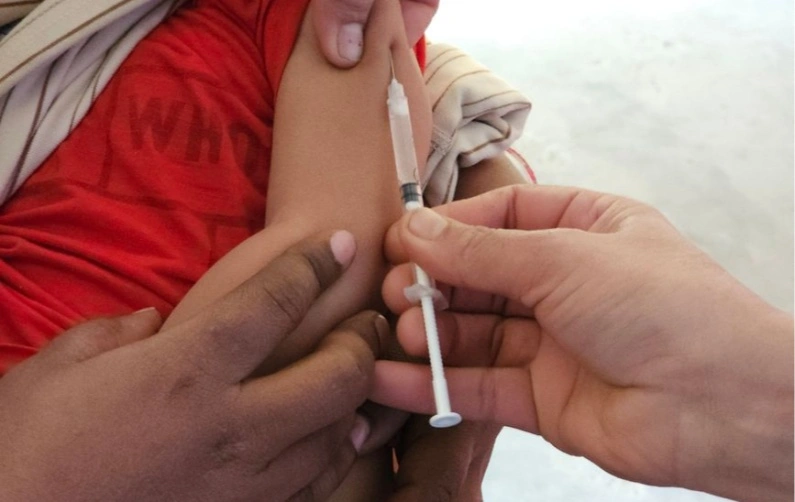
Section: Health
Section: Politics

Section: Politics
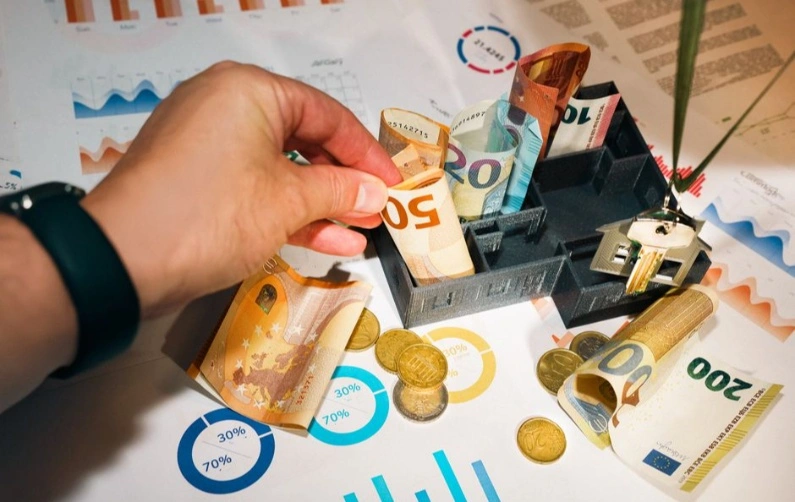
Section: Business
Section: Business

Section: Arts

Section: Business

Section: News
Section: Business
Both private Health Insurance in Germany and public insurance, is often complicated to navigate, not to mention expensive. As an expat, you are required to navigate this landscape within weeks of arriving, so check our FAQ on PKV. For our guide on resources and access to agents who can give you a competitive quote, try our PKV Calculator.
Germany is famous for its medical expertise and extensive number of hospitals and clinics. See this comprehensive directory of hospitals and clinics across the country, complete with links to their websites, addresses, contact info, and specializations/services.
Didn't manage to get a ticket for Linkin Park? Or still not enough after the concert? Join us at CRASH on June 12th for our "IN THE END" Linkin Park Special + CORE NIGHT.All night long, we'll be playing Linkin Park's music, along with Nu Metal, Metalcore, and Alternative Rock from bands such as Limp...



No comments yet. Be the first to comment!