
German companies unprepared for AI-based cyber attacks
Section: Science
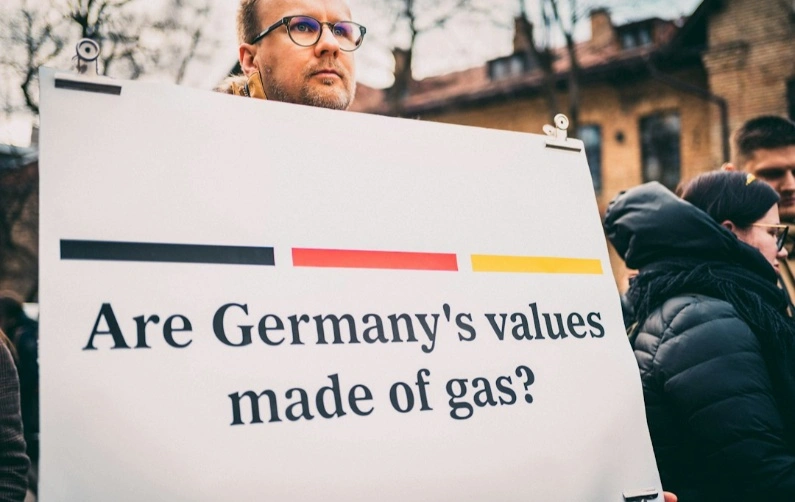
The European Union has formally adopted a comprehensive strategy to eliminate all imports of natural gas from Russia by the end of September 2027. This initiative reflects the EU's continued efforts to enhance energy security, diversify energy sources, and reduce reliance on Russian energy supplies in response to ongoing geopolitical tensions and the war in Ukraine.
According to the agreement, imports of liquefied natural gas (LNG) originating from Russia will be phased out by the close of 2026. Following this, the importation of Russian pipeline gas will be terminated by the end of September 2027. The plan allows for certain exceptions based on pre-existing contracts, with tailored timelines for their conclusion. The approach is structured to ensure a controlled and stable transition without disrupting the energy market or supply to member states.
This decision comes as part of a wider European response to the conflict in Ukraine, aiming to reduce the financial resources available to the Russian government through energy exports. By cutting off these imports, the EU intends to limit Russia's ability to fund its military operations, while simultaneously demonstrating solidarity with Ukraine and supporting its sovereignty.
In preparation for this transition, the EU is actively pursuing new energy partnerships with alternative suppliers. Negotiations are underway with countries in the Middle East, North Africa, and North America to secure long-term gas contracts and expand infrastructure for LNG imports from these regions. Additionally, there is an increased focus on accelerating the development of renewable energy sources within Europe, including wind, solar, and hydrogen projects, to further reduce dependency on external fossil fuels.
Significant investments are being directed toward modernizing energy grids, expanding storage capacities, and building new LNG terminals across several member states. These measures are intended to improve resilience against potential supply shocks and ensure stable energy availability for both households and industries during the transition period.
The policy also addresses the impact on existing contracts between European companies and Russian gas suppliers. While the majority of contracts will be allowed to expire within the designated timelines, some may be terminated earlier in accordance with the new regulations. The European Commission is coordinating with national governments and energy firms to minimize economic disruptions and manage the legal and financial aspects of the phase-out.
Member states are encouraged to increase investments in energy efficiency and conservation measures, reducing overall demand for natural gas. Initiatives include retrofitting buildings, upgrading heating systems, and promoting alternative energy solutions, all aimed at lowering consumption and supporting the transition to a more sustainable energy system.
Economically, the move is expected to drive further innovation and create new opportunities within the European energy sector. By fostering competition among suppliers and supporting the growth of renewables, the EU hopes to stimulate job creation, enhance competitiveness, and lay the groundwork for a greener future.
While challenges remain, especially for countries with historically high dependence on Russian gas, the EU's coordinated approach is designed to ensure a balanced and secure transition. Ongoing collaboration between member states, private sector stakeholders, and international partners is viewed as essential for achieving the targets and maintaining energy stability across the continent.
The implementation of this plan marks a significant milestone in the EU's energy policy, underscoring its commitment to strategic autonomy, climate goals, and support for partners affected by international crises.
Section: Science
Section: Business

Section: Business
Section: Science
Section: News
Section: Politics
Section: News

Section: Fashion
Section: Arts

Section: Fashion
Both private Health Insurance in Germany and public insurance, is often complicated to navigate, not to mention expensive. As an expat, you are required to navigate this landscape within weeks of arriving, so check our FAQ on PKV. For our guide on resources and access to agents who can give you a competitive quote, try our PKV Calculator.
Germany is famous for its medical expertise and extensive number of hospitals and clinics. See this comprehensive directory of hospitals and clinics across the country, complete with links to their websites, addresses, contact info, and specializations/services.
Didn't manage to get a ticket for Linkin Park? Or still not enough after the concert? Join us at CRASH on June 12th for our "IN THE END" Linkin Park Special + CORE NIGHT.All night long, we'll be playing Linkin Park's music, along with Nu Metal, Metalcore, and Alternative Rock from bands such as Limp...



No comments yet. Be the first to comment!