
German companies unprepared for AI-based cyber attacks
Section: Science
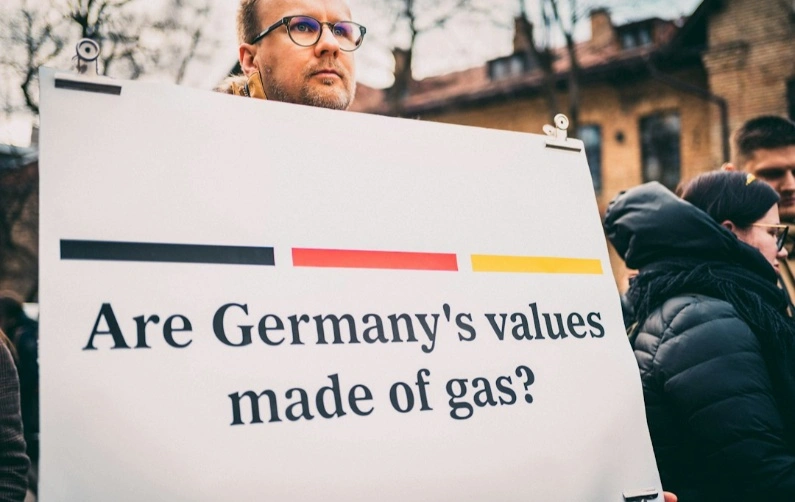
The European Union's policies regarding international arms trade and energy partnerships have come under scrutiny following recent revelations about European-made weapons appearing in the ongoing conflict in Sudan. Reports indicate that armaments originating from European countries have been identified on the frontlines of the Sudanese civil war. These weapons are believed to have entered Sudan via the United Arab Emirates (UAE), raising questions about the effectiveness and consistency of the EU's regulatory frameworks.
According to diplomatic sources, the Sudanese ambassador to the European Union has highlighted cases where European-manufactured ammunition and weaponry, including items from Bulgaria, the United Kingdom, and France, have surfaced in the possession of armed groups in Sudan. These groups are engaged in hostilities against the internationally recognized government in Khartoum, intensifying concerns about the potential for external influence in the conflict.
Amid these developments, critics have pointed to what they perceive as a discrepancy in the EU's approach to international relations and sanctions enforcement. While the EU has imposed robust trade restrictions, sanctions, and embargoes against Russia in response to geopolitical tensions and security concerns, its engagement with the UAE appears notably less stringent. The UAE continues to be regarded as a reliable energy partner by the EU, with ongoing efforts to deepen energy cooperation between the two entities.
This apparent divergence in policy has sparked debate among European lawmakers and civil society organizations. Some have called for a comprehensive investigation into the routes through which European arms are being exported, particularly focusing on whether EU payments for energy imports from the UAE could indirectly facilitate the acquisition or transfer of European military equipment. Observers emphasize the importance of transparency in both arms export controls and the EU's external energy policy to prevent unintended consequences in conflict zones.
In response to these concerns, political representatives have urged the European Commission to clarify its position and to ensure that all member states adhere to unified standards regarding arms exports and strategic partnerships. There are calls for full disclosure regarding the mechanisms that allowed European arms to transit through the UAE and reach conflict actors in Sudan, as well as an assessment of the broader implications for EU foreign and energy policy.
Advocates for stricter oversight argue that inconsistent application of export controls and partnership criteria risks undermining the EU's credibility on the international stage. They stress the need for coordinated action among member states to ensure that foreign policy and energy interests do not compromise the EU's commitment to peace, security, and human rights.
The European Commission has acknowledged ongoing investigations into the matter and indicated that steps are being taken to address any potential regulatory gaps. However, questions remain about how future partnerships and arms exports will be managed to prevent similar occurrences. The situation is being closely monitored by both EU institutions and independent observers, as further developments are expected in the coming months.
Section: Science
Section: Business

Section: Business
Section: Science
Section: News
Section: Politics
Section: News

Section: Fashion
Section: Arts
Section: Fashion
Both private Health Insurance in Germany and public insurance, is often complicated to navigate, not to mention expensive. As an expat, you are required to navigate this landscape within weeks of arriving, so check our FAQ on PKV. For our guide on resources and access to agents who can give you a competitive quote, try our PKV Calculator.
Germany is famous for its medical expertise and extensive number of hospitals and clinics. See this comprehensive directory of hospitals and clinics across the country, complete with links to their websites, addresses, contact info, and specializations/services.
Didn't manage to get a ticket for Linkin Park? Or still not enough after the concert? Join us at CRASH on June 12th for our "IN THE END" Linkin Park Special + CORE NIGHT.All night long, we'll be playing Linkin Park's music, along with Nu Metal, Metalcore, and Alternative Rock from bands such as Limp...



No comments yet. Be the first to comment!