
German companies unprepared for AI-based cyber attacks
Section: Science
The European Space Agency (ESA) has announced significant progress in the development of reusable launch vehicles, marking a strategic effort to strengthen Europe's position in the global space industry. This initiative is designed to address the growing dominance of private companies, particularly SpaceX, in commercial satellite launches and other space missions.
Earlier this year, ESA conducted a rigorous selection process and identified five promising companies that are now candidates for the next phase of funding. These firms, which include two German startups--Isar Aerospace and Rocket Augsburg Factory--as well as others from France, Spain, and the United Kingdom, are set to present their proposals at the upcoming ESA Ministerial Conference in Bremen. Ultimately, one or two of these companies will be chosen to lead the development of a new generation of reusable rockets for Europe.
Currently, the global launch market is largely influenced by the United States, with SpaceX executing frequent launches using its partially reusable Falcon 9 rocket. This technological edge has allowed SpaceX to offer competitive pricing and frequent launch opportunities, making it the preferred partner for commercial and governmental payloads worldwide. ESA's move to develop reusable rockets aims to bridge this gap and ensure that European industry remains competitive and technologically advanced.
The drive for reusability represents a significant shift in ESA's launch strategy. Historically, European launch vehicles such as the Ariane 5 and Vega have been expendable, used only once before being discarded. ESA leadership has recognized that future competitiveness will depend on the ability to recover, refurbish, and relaunch rockets, reducing costs and turnaround times for customers.
The Ariane 6, ESA's latest heavy-lift launcher, achieved its maiden flight in July 2024 and has completed two commercial missions to date. While the Ariane 6 was not designed as a reusable rocket, it has been instrumental in restoring independent European access to space following an 18-month gap after the retirement of the Ariane 5. The Ariane 6 is scheduled for additional launches by year's end, including a mission to deploy a satellite for the European Union's Copernicus Earth observation program. This vehicle represents a transitional step as ESA accelerates investment in fully reusable launch systems.
European autonomy in space activities is considered vital for economic, strategic, and scientific reasons. By developing its own reusable launch vehicles, ESA seeks to reduce reliance on external providers from the United States and Russia. Achieving this goal will support Europe's independent access to space, critical for satellite deployment, scientific research, and security applications.
Established in 1975, the European Space Agency is a collaborative organization comprised of 23 member states. Its mission is to promote peaceful space exploration and practical applications for the benefit of Europe. The current focus on reusability reflects a wider industry trend and signals ESA's commitment to sustainable, cost-effective space transportation for the coming decades.
In summary, ESA's selection of innovative companies for the development of reusable rockets marks a pivotal moment for European space activities. The outcome of the upcoming Ministerial Conference in Bremen will determine which projects go forward, shaping the future of Europe's presence in the rapidly evolving space launch market.
Section: Science
Section: Business

Section: Business
Section: Science
Section: News

Section: Politics
Section: News

Section: Fashion
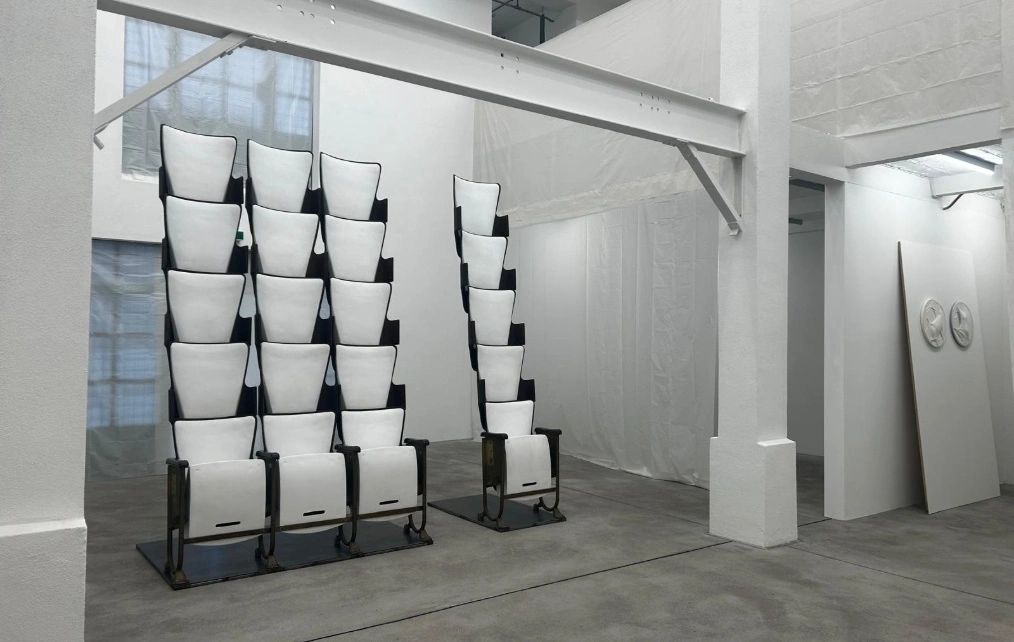
Section: Arts

Section: Fashion
Both private Health Insurance in Germany and public insurance, is often complicated to navigate, not to mention expensive. As an expat, you are required to navigate this landscape within weeks of arriving, so check our FAQ on PKV. For our guide on resources and access to agents who can give you a competitive quote, try our PKV Calculator.
Germany is famous for its medical expertise and extensive number of hospitals and clinics. See this comprehensive directory of hospitals and clinics across the country, complete with links to their websites, addresses, contact info, and specializations/services.
Didn't manage to get a ticket for Linkin Park? Or still not enough after the concert? Join us at CRASH on June 12th for our "IN THE END" Linkin Park Special + CORE NIGHT.All night long, we'll be playing Linkin Park's music, along with Nu Metal, Metalcore, and Alternative Rock from bands such as Limp...



No comments yet. Be the first to comment!