Berlin residents describe worsening drug crisis on historic red light street
Section: News
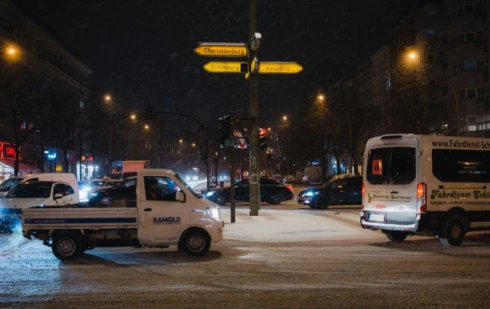
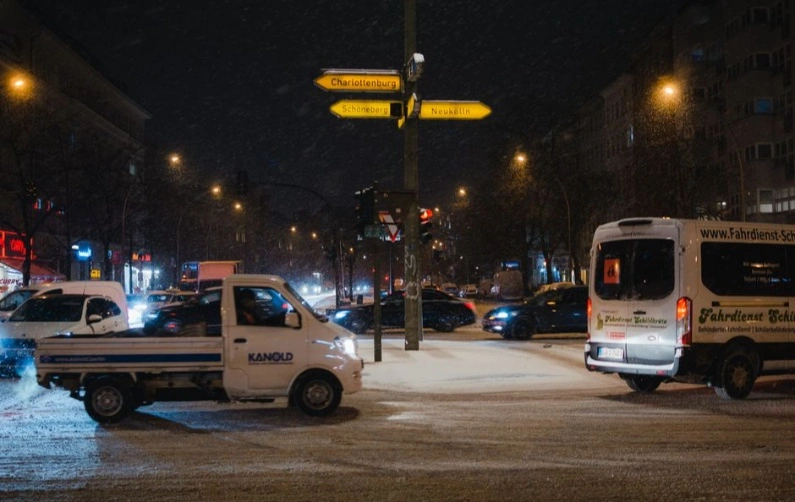
Residents along Kurfürstenstrasse in Berlin's Schöneberg district say drug use and homelessness have overtaken a stretch of road long associated with street prostitution, transforming daily life in the neighbourhood over the past several years. The street, known as a site of sex work for more than a century, now draws complaints from locals who describe discarded needles, people sleeping in doorways and groups dealing openly on the pavement.
On a recent Saturday evening, one of the last mild nights before autumn set in, three young men in black jackets with slicked-back hair climbed the steps of the Kurfürstenstrasse U-Bahn station. They crossed the street at the pedestrian crossing toward Frobenstrasse, scanning their surroundings as they walked, a scene residents say has become familiar after dark.
Neighbours who have lived in the area for years say the character of the street has shifted noticeably. Where sex work once defined the strip's reputation, many now point to drug use and visible homelessness as the dominant feature of daily life, saying these problems have proven harder to dislodge than the pressures of rising rents and redevelopment that reshaped much of the surrounding district over the past two decades.
Several residents interviewed described a sense that efforts to improve the area through urban renewal had done little to address the underlying social problems now concentrated there. They said the presence of people struggling with addiction and lacking stable housing has become a near constant feature of the streetscape, visible at most hours and not confined to late night periods traditionally associated with the sex trade.
Community members have begun organising informally to discuss possible responses, with some pushing local authorities for greater police presence, expanded social services, or dedicated outreach programmes aimed at people living on the street. Others have called for more support services targeting addiction, arguing that enforcement alone will not resolve the situation.
The street's long association with sex work dates back more than 100 years, making it one of Berlin's oldest and most recognisable red light districts. Social workers and outreach groups have operated in the area for years, offering support to women engaged in street based sex work, many of whom come from Eastern Europe and face precarious legal and economic circumstances.
Residents say the overlap between sex work, drug use and homelessness has made it harder to distinguish between different groups present on the street, complicating efforts by both residents and authorities to respond. Some describe feeling unsafe walking through the area at night, while others say they worry about the wellbeing of the people living rough nearby, many of whom appear to be struggling with addiction.
Local business owners along the street have also voiced concerns, saying the visible drug use has affected foot traffic and customer perceptions of the area. Some have reported discarded drug paraphernalia near their premises and said they have had to intervene when people appeared to be in medical distress.
Berlin authorities have faced similar challenges in other parts of the city centre, where open drug scenes have persisted despite periodic police operations and social service interventions. Officials in other districts have in the past pointed to a shortage of shelter beds and treatment facilities as a barrier to moving people off the street permanently.
No single government agency has announced a comprehensive plan specifically targeting Kurfürstenstrasse, and residents say they remain uncertain whether proposed measures, including increased patrols or new outreach funding, will be implemented or prove effective. Some have said they plan to continue raising the issue with district officials and have called for a sustained, coordinated response involving police, health services and housing authorities rather than isolated interventions.
The situation on Kurfürstenstrasse reflects broader questions facing Berlin as the city grapples with rising homelessness and drug related harm in several central neighbourhoods, even as rents and property values in surrounding blocks have climbed sharply over the past fifteen years.
Section: News

Section: News
Section: News
Section: Fashion
Section: News
Section: Politics

Section: News
Section: Politics
Section: News
Section: News
Both private Health Insurance in Germany and public insurance, is often complicated to navigate, not to mention expensive. As an expat, you are required to navigate this landscape within weeks of arriving, so check our FAQ on PKV. For our guide on resources and access to agents who can give you a competitive quote, try our PKV Calculator.
Germany is famous for its medical expertise and extensive number of hospitals and clinics. See this comprehensive directory of hospitals and clinics across the country, complete with links to their websites, addresses, contact info, and specializations/services.
Didn't manage to get a ticket for Linkin Park? Or still not enough after the concert? Join us at CRASH on June 12th for our "IN THE END" Linkin Park Special + CORE NIGHT.All night long, we'll be playing Linkin Park's music, along with Nu Metal, Metalcore, and Alternative Rock from bands such as Limp...


No comments yet. Be the first to comment!