
German companies unprepared for AI-based cyber attacks
Section: Science
The Austrian National Council has approved a legislative package designed to address rising rental costs, introducing measures aimed at providing relief for tenants amidst increasing living expenses. The new regulations are intended to moderate the pace of rent hikes and extend protections to a broader segment of the rental market.
The measures include restrictions on annual rent increases, with the aim of preventing sharp rises that have placed growing financial pressure on households. Under the new framework, caps will apply to both private and social housing contracts, a change from previous rules which often excluded certain types of rental agreements. Policymakers assert that by including private rentals in these limitations, more tenants across Austria will benefit from greater stability and predictability in their housing costs.
Despite the introduction of these measures, economic analysts and tenant advocacy groups note that the underlying causes of inflation in the housing market remain largely unaddressed. They highlight that while temporary relief can shield tenants from abrupt rent spikes, only deeper structural reforms--such as expanding affordable housing supply and revising tenancy laws--can provide lasting security and affordability.
One of the central components of the approved package is the introduction of an annual cap on rent increases, which experts argue should be set at a level that meaningfully curbs cost escalation. However, some stakeholders have raised concerns that the ceiling established by the new legislation may be set too high to deliver significant savings for the majority of tenants. Calls have been made for a stricter limitation, such as restricting annual rent increases to a maximum of two percent, to ensure that relief efforts are both visible and effective.
Another significant aspect of the package is the allocation of additional funding toward non-profit and social housing projects. By increasing investments in these sectors, the government aims to expand the availability of affordable rental units and reduce overall market pressure. Housing organizations emphasize that enhanced support for non-profit developers is critical to meeting the needs of low- and middle-income households, especially in urban areas where demand continues to outpace supply.
There is also ongoing debate regarding the prevalence of fixed-term rental contracts, which are viewed by many experts as contributing to market instability and higher rents. Advocacy groups are urging lawmakers to phase out temporary leases in favor of permanent rental agreements, arguing that this would increase tenant security and reduce price volatility.
Overall, while the legislative package represents a notable step toward managing rental costs in Austria, stakeholders from across the housing and economic sectors underline the necessity for comprehensive, long-term reforms. They stress that addressing the root causes of rising living expenses--such as energy costs and broader inflationary pressures--requires coordinated policy action beyond immediate rent controls.
The approved measures will come into effect following further legislative procedures, with government officials indicating that monitoring and evaluation mechanisms will be established to assess the impact on tenants and the rental market.
Section: Science

Section: Business

Section: Business

Section: Science

Section: News
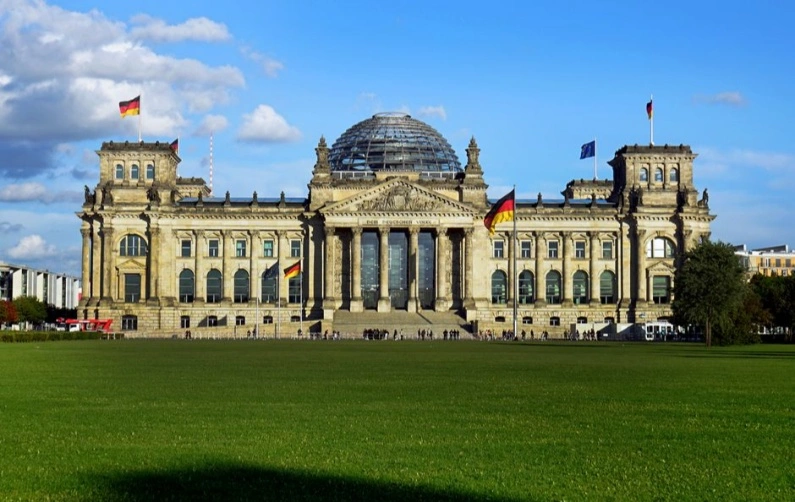
Section: Politics
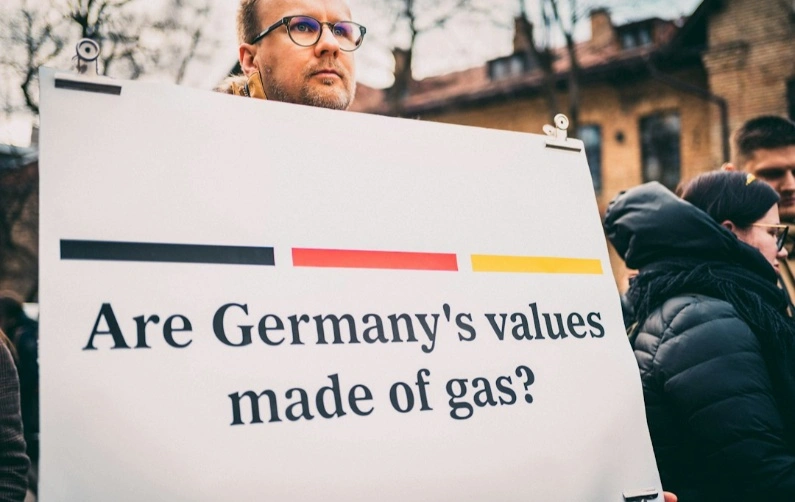
Section: News

Section: Fashion
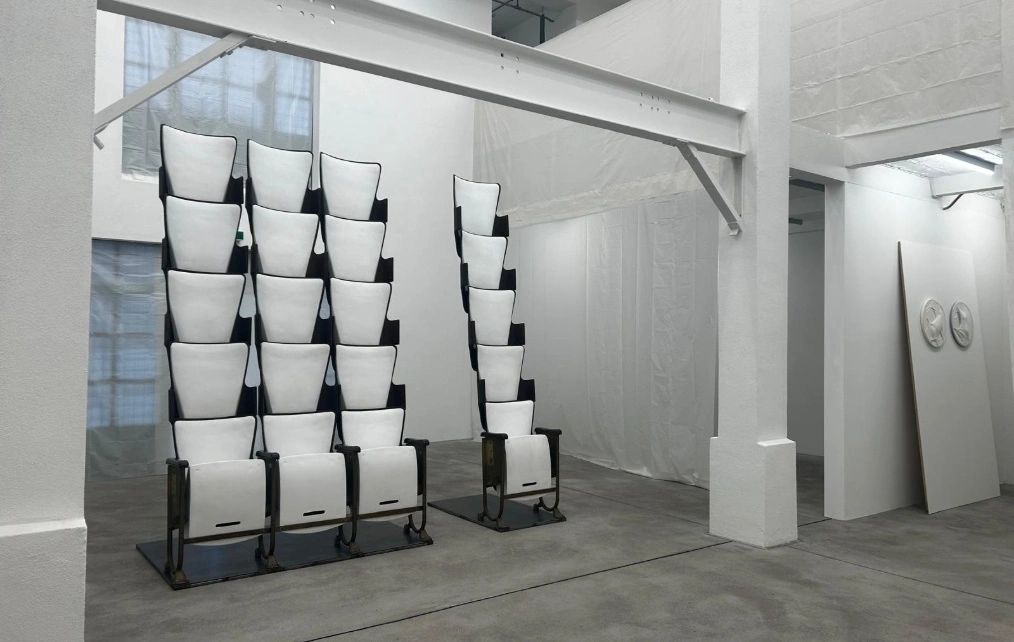
Section: Arts

Section: Fashion
Both private Health Insurance in Germany and public insurance, is often complicated to navigate, not to mention expensive. As an expat, you are required to navigate this landscape within weeks of arriving, so check our FAQ on PKV. For our guide on resources and access to agents who can give you a competitive quote, try our PKV Calculator.
Germany is famous for its medical expertise and extensive number of hospitals and clinics. See this comprehensive directory of hospitals and clinics across the country, complete with links to their websites, addresses, contact info, and specializations/services.
Didn't manage to get a ticket for Linkin Park? Or still not enough after the concert? Join us at CRASH on June 12th for our "IN THE END" Linkin Park Special + CORE NIGHT.All night long, we'll be playing Linkin Park's music, along with Nu Metal, Metalcore, and Alternative Rock from bands such as Limp...



No comments yet. Be the first to comment!