
Why Turquoise Is Becoming Most Viral Color of 2026
Section: Fashion
The EVN feed-in tariff program is a pivotal initiative designed to promote the generation of renewable energy. This scheme allows producers of green energy to receive compensation for the electricity they feed into the grid. With an increasing emphasis on sustainability and reducing carbon emissions, such programs are becoming vital in the transition towards a greener energy landscape.
Under the EVN feed-in tariff, participants can earn financial incentives for contributing their generated energy, which significantly aids in offsetting initial investment costs associated with renewable energy technologies. This includes systems like solar panels, wind turbines, and biomass energy production.
The structure of the feed-in tariff is designed to encourage both residential and commercial energy producers. By offering guaranteed rates for a predetermined period, the program ensures that energy producers can predict their revenue streams and plan for the future effectively. This long-term certainty is crucial for attracting investments in renewable energy projects.
Moreover, the EVN feed-in tariff is aligned with national and EU-wide goals to enhance the share of renewable energy in the overall energy mix. As countries strive to meet their climate commitments, such policies are instrumental in driving the necessary change in energy production and consumption patterns.
Participants in the program are typically required to meet specific technical and regulatory standards to qualify for the feed-in tariff. These standards ensure that the energy produced is both sustainable and compatible with the existing grid infrastructure. By adhering to these guidelines, energy producers can guarantee their contributions toward a more resilient and sustainable energy system.
As the demand for renewable energy continues to rise, understanding the nuances of programs like EVN's feed-in tariff becomes increasingly important. Stakeholders, including potential investors and energy producers, must stay informed about the regulatory landscape and market conditions to maximize their opportunities in this rapidly evolving sector.
In conclusion, the EVN feed-in tariff represents a significant step forward in promoting renewable energy adoption. By offering financial incentives and fostering a supportive regulatory environment, such programs are essential for achieving long-term sustainability goals and transitioning towards a low-carbon future.
Section: Fashion

Section: Health Insurance

Section: News

Section: Politics

Section: Business

Section: Health

Section: Arts
Section: Politics
Section: Business
Section: Health Insurance
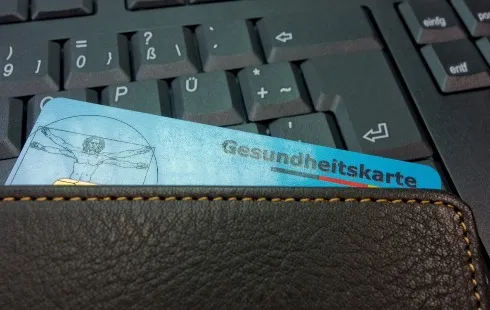
Both private Health Insurance in Germany and public insurance, is often complicated to navigate, not to mention expensive. As an expat, you are required to navigate this landscape within weeks of arriving, so check our FAQ on PKV. For our guide on resources and access to agents who can give you a competitive quote, try our PKV Cost comparison tool.
Germany is famous for its medical expertise and extensive number of hospitals and clinics. See this comprehensive directory of hospitals and clinics across the country, complete with links to their websites, addresses, contact info, and specializations/services.
Join us for the premiere of Echtzeitalter, a captivating theater production based on the novel by Tonio Schachinger. The story follows Till, a new student at a prestigious gymnasium, who grapples with the outdated teaching methods of his strict teacher, Dolinar. As Till navigates his elite...



No comments yet. Be the first to comment!