
Record Orders in German Industry Driven by Defense Spending
Section: Politics
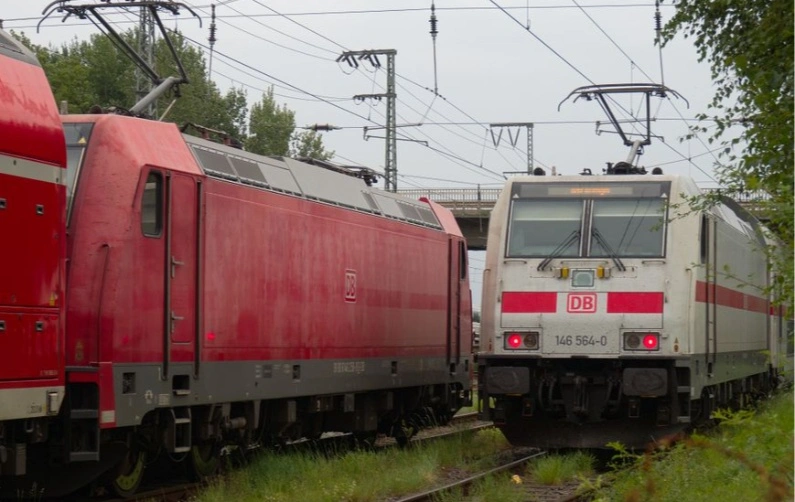
Recent assessments reveal that forestry operations in northern regions are causing significant damage to roads and railways, resulting in financial repercussions amounting to millions. Industry experts have labeled this issue as a substantial problem that requires immediate attention.
The damaging effects of forestry on infrastructure have surfaced amidst ongoing discussions about sustainable practices within the sector. As logging activities intensify, the wear and tear on transportation networks have become increasingly evident, raising alarms among local authorities and environmental advocates.
Roads and railways play a crucial role in the transportation of goods and services, particularly in rural areas where forestry is a vital industry. However, the degradation of these infrastructures due to heavy logging vehicles and equipment poses a risk not only to the immediate surroundings but also to the broader economy.
Local government officials have reported that repairs to damaged roads and railways are straining budgets and diverting funds from other essential services. The ongoing maintenance and repair costs are becoming unsustainable, prompting calls for the forestry sector to adopt more responsible practices to mitigate damage.
Experts emphasize the need for a collaborative approach between the forestry industry and government agencies to develop strategies that will protect infrastructure while allowing for sustainable logging practices. This includes implementing better planning and management techniques to minimize the impact on roads and other critical transport networks.
As discussions continue, stakeholders are encouraged to prioritize the health of both the environment and the infrastructure that supports economic activities. Sustainable forestry practices may hold the key to balancing economic interests with the preservation of essential roadways and railways that serve communities.
Section: Politics

Section: Business
Section: Business

Section: Arts

Section: Business

Section: News
Section: Business

Section: News

Section: News

Section: Politics
Both private Health Insurance in Germany and public insurance, is often complicated to navigate, not to mention expensive. As an expat, you are required to navigate this landscape within weeks of arriving, so check our FAQ on PKV. For our guide on resources and access to agents who can give you a competitive quote, try our PKV Calculator.
Germany is famous for its medical expertise and extensive number of hospitals and clinics. See this comprehensive directory of hospitals and clinics across the country, complete with links to their websites, addresses, contact info, and specializations/services.
Didn't manage to get a ticket for Linkin Park? Or still not enough after the concert? Join us at CRASH on June 12th for our "IN THE END" Linkin Park Special + CORE NIGHT.All night long, we'll be playing Linkin Park's music, along with Nu Metal, Metalcore, and Alternative Rock from bands such as Limp...



No comments yet. Be the first to comment!