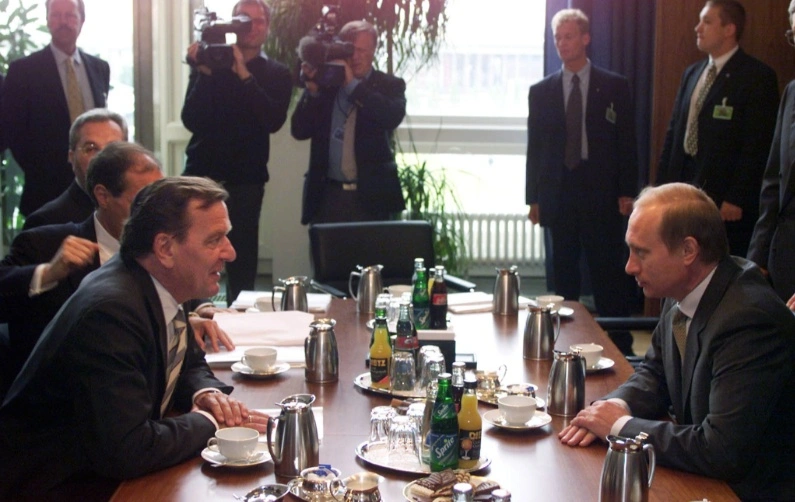
Former German Chancellor Schröder criticised for attending Putin's birthday
Section: News
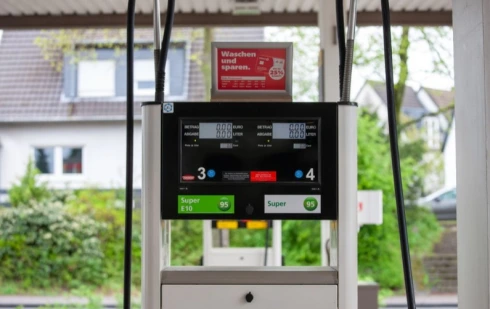
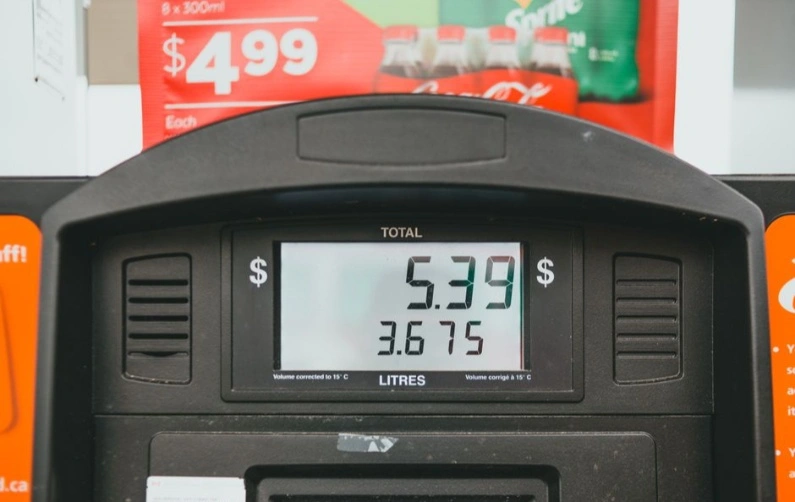
Fuel prices in Germany have surged to record levels, driven largely by geopolitical tensions in the Middle East. According to data provided by the German Automobile Club (ADAC), the price for a liter of E10, a popular type of petrol, reached an all-time high of 2.273 euros on average across the country on Sunday. This marks an increase of 1.7 cents from the preceding Friday's price levels. Diesel prices have also climbed, showing a rise of 3.5 cents to 2.404 euros per liter, nearing the record peaks last observed in April.
Recent developments in the Middle East have contributed significantly to these price hikes. The ongoing conflict involving Iran and rising tensions in the Persian Gulf area have unsettled oil markets. Oil prices have seen an increase at the start of this week due to negative reports from the region. A planned meeting of foreign ministers from Gulf states, which was set to occur in Oman, was cancelled. The meeting was expected to address the persistent conflict over the strategically vital Strait of Hormuz, involving discussions between Iran and Oman. Additionally, Saudi Arabia, the world's largest oil exporter, was forced to halt operations on an essential pipeline following a drone attack.
The rising cost of crude oil is a primary factor influencing changes in petrol prices globally. While these price shifts are generally uniform, local variability often occurs. In Germany, regional differences are observed, with fuel prices being notably lower in southern parts, particularly in Bavaria, as reported by the fuel price portal Tankerkönig. Conversely, northern and eastern regions display higher price points. Moreover, the costs at the pump fluctuate throughout the day, usually peaking after significant increases at noon and then decreasing towards the afternoon, with the lowest points usually seen by late morning.
Over the past two weeks, the increase in fuel prices has been particularly pronounced. As of August 30th, E10 was priced approximately 12 cents cheaper than its current rate, whereas diesel was nearly 20 cents less expensive. This upward trajectory shows no immediate sign of reversing as global oil markets remain volatile due to political uncertainties and potential supply disruptions.
Furthermore, Germany employs a fuel price cap mechanism intended to mitigate price increases. This policy provides temporary relief by capping the maximum price change that can be passed on to consumers. However, the effectiveness of such measures is limited against ongoing and persistent geopolitical tensions that influence base oil prices broadly.
The strategic Strait of Hormuz plays a pivotal role in global oil distribution, as it is a transit route for a substantial portion of the world's oil supply. Any disruption in this area can have far-reaching impacts on global oil markets. The cancellation of the Oman meeting underscores the ongoing challenges in achieving diplomatic resolutions to the region's disputes, which continue to contribute to the volatility in oil prices.
Price differences influenced by regional factors within Germany highlight not just global market conditions, but also domestic distribution and taxation policies. The variance suggests a localized response to broader economic trends and the intricate balance between supply chain logistics and market demand across different German states.
As price pressures mount, German consumers face heightened expenses at the fuel pump. The current spike in fuel costs comes at a time when many are already dealing with inflationary pressures affecting other parts of the economy, emphasizing the impact of global politics on everyday living expenses.
Observers of the oil market closely monitor events in the Middle East, as further escalation could exacerbate supply issues, potentially leading to even higher future prices. The situation illustrates the interconnected nature of global economies where geopolitical events can have immediate and tangible effects on everyday commodities such as fuel.
Photo by Peter Jochim on Pexels
Section: News

Section: Science
Section: Business

Section: Business
Section: Science
Section: News
Section: Politics
Section: News

Section: Fashion
Section: Arts
Both private Health Insurance in Germany and public insurance, is often complicated to navigate, not to mention expensive. As an expat, you are required to navigate this landscape within weeks of arriving, so check our FAQ on PKV. For our guide on resources and access to agents who can give you a competitive quote, try our PKV Calculator.
Germany is famous for its medical expertise and extensive number of hospitals and clinics. See this comprehensive directory of hospitals and clinics across the country, complete with links to their websites, addresses, contact info, and specializations/services.
Didn't manage to get a ticket for Linkin Park? Or still not enough after the concert? Join us at CRASH on June 12th for our "IN THE END" Linkin Park Special + CORE NIGHT.All night long, we'll be playing Linkin Park's music, along with Nu Metal, Metalcore, and Alternative Rock from bands such as Limp...



No comments yet. Be the first to comment!