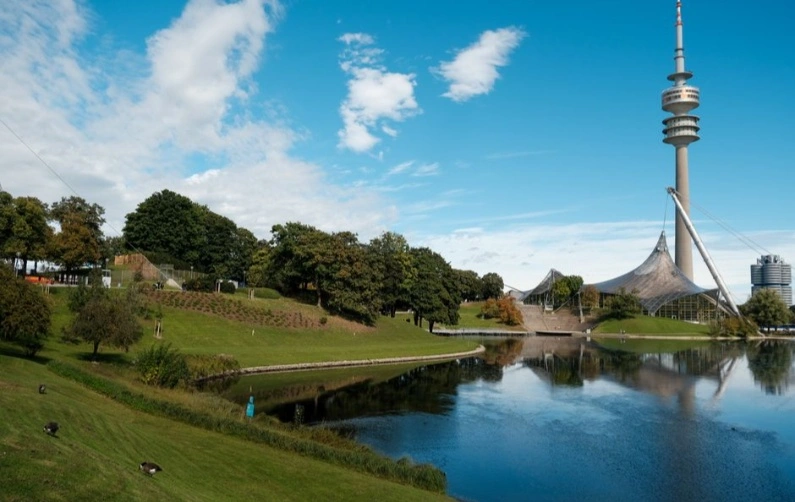
Munich enters race for hosting future Olympic Games
Section: Arts
The Alternative for Germany (AfD) has emerged as the dominant party in the eastern regions of Germany, according to a recent "Trendbarometer" survey conducted by RTL and ntv. If a federal election were held this coming Sunday, the AfD would capture 45% of the vote in these regions, making it the strongest political force there. This considerable lead underscores its growing influence, distancing itself significantly from other political parties.
In a remarkable shift in voter preferences, the Left Party would secure 15% of the votes, placing it ahead of the Christian Democratic Union (CDU), which would garner only 12%. These figures represent a decline for the CDU, which has historically been one of Germany’s leading parties. The Social Democrats (SPD) and the Greens would each attract 9%, while the BSW would receive 5%, according to the poll results published on Tuesday.
Nationally, the survey indicates that party preferences have remained largely consistent. The AfD holds a record-high national support level of 28%, with the CDU/CSU bloc at 21%. The Greens would achieve 16%, the SPD 12%, and the Left Party 11%, showing a slight increase by one percentage point. Both the Free Democratic Party (FDP) and the BSW stand below the 5% threshold, with the FDP at 4%.
The survey also explored the reasons behind AfD supporters' choices. A significant portion, 34%, cite the belief that the AfD best represents the "interests of the German people" as their primary motivation. Approximately 22% express their dissatisfaction with the political system as a whole, while 21% report dissatisfaction with the current federal government as influencing their decision.
Political challenges for CDU leader and current Chancellor, Friedrich Merz, are reflected in the survey results. Only 13% of German citizens are satisfied with Merz's performance, with 85% expressing dissatisfaction. This discontent is most pronounced in eastern Germany, where only 7% view his work positively, compared to 15% in the western part of the country. The dissatisfaction rates stand at 91% in the east and 83% in the west.
When asked which party citizens believe is best equipped to tackle Germany's challenges, the AfD leads narrowly at 13%. However, a significant 55% of respondents do not trust any party to effectively address national issues, indicating a widespread skepticism across the political spectrum. The CDU maintains a 12% trust rating, consistent with its lowest point in nearly four years. The Greens follow with 8%, and the SPD and the Left Party trail at 5% and 4%, respectively.
The possibility of unconventional political alliances also surfaced in the survey's findings. A majority of respondents in eastern Germany appear open to the idea of a collaborative effort between the CDU and the Left Party, reflecting a pragmatic approach towards coalition governance given the prevailing political landscape.
These poll results underscore significant political dynamics and sentiment shifts within Germany, particularly highlighting the AfD's consolidation of its base in the east. The results could portend challenging campaigns for traditional parties like the CDU and SPD, which may need to reassess their strategies and voter engagement efforts.
The data highlights not only the growing regional disparity in German politics but also signals a broader, potentially transformative phase for the country's political future. The AfD's ascendancy in eastern Germany and the symbolic decline of the CDU attest to the evolving political and ideological landscape, setting the stage for intricate coalition-building efforts ahead of the next elections.
Section: Arts
Section: Business
Section: Business

Section: News
Section: Arts
Section: Science
Section: News
Section: Arts

Section: Fashion
Section: Health
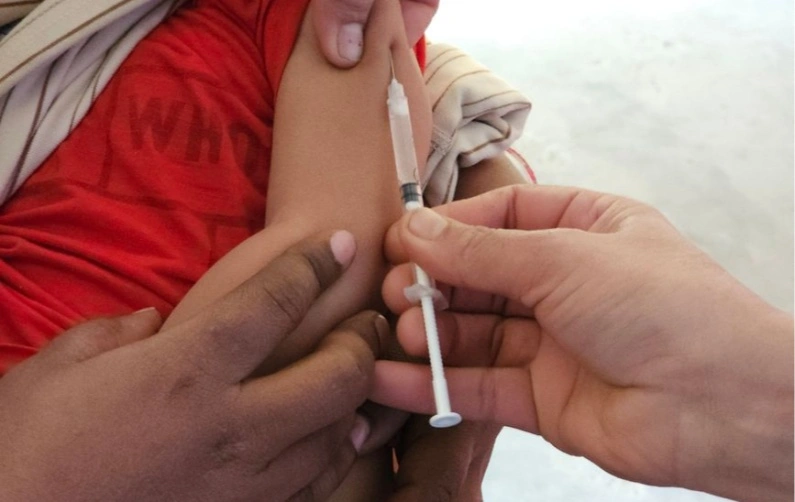
Both private Health Insurance in Germany and public insurance, is often complicated to navigate, not to mention expensive. As an expat, you are required to navigate this landscape within weeks of arriving, so check our FAQ on PKV. For our guide on resources and access to agents who can give you a competitive quote, try our PKV Calculator.
Germany is famous for its medical expertise and extensive number of hospitals and clinics. See this comprehensive directory of hospitals and clinics across the country, complete with links to their websites, addresses, contact info, and specializations/services.
Didn't manage to get a ticket for Linkin Park? Or still not enough after the concert? Join us at CRASH on June 12th for our "IN THE END" Linkin Park Special + CORE NIGHT.All night long, we'll be playing Linkin Park's music, along with Nu Metal, Metalcore, and Alternative Rock from bands such as Limp...



No comments yet. Be the first to comment!