
Why Turquoise Is Becoming Most Viral Color of 2026
Section: Fashion
On May 29, 1990, a significant milestone in European financial history occurred with the establishment of the European Bank for Reconstruction and Development (EBRD) in Paris. This institution was designed to aid in the reconstruction of Eastern Europe and the former Soviet Union following the upheaval caused by the collapse of communism. While its founding took place in Paris, the bank's headquarters is located in London.
The EBRD was created to facilitate private sector investment and foster the transition towards market-oriented economies in the region. By providing financial resources and expertise, the bank aims to support projects that enhance infrastructure, promote sustainable development, and improve the business environment in its countries of operation.
In its early years, the EBRD focused primarily on countries emerging from communist rule, assisting in various sectors including energy, transport, and agriculture. Over time, its mandate expanded to include promoting environmental sustainability and combating climate change, reflecting a growing global emphasis on these critical issues.
Throughout its history, the bank has played a vital role in attracting foreign direct investment into the region, contributing to economic growth and stability in countries where it operates. The EBRD has also been instrumental in advising governments on policy reforms aimed at enhancing the investment climate.
As of today, the EBRD operates in over 30 countries, delivering a wide range of financial products and services to both private and public sector clients. Its commitment to fostering entrepreneurship and innovation continues to drive its mission to empower local economies.
In addition to its financial activities, the EBRD emphasizes the importance of good governance, transparency, and accountability in all its operations. The bank's initiatives in promoting gender equality and inclusivity have further underscored its dedication to sustainable development goals.
In a broader historical context, May 29 marks not only the founding of the EBRD but also a series of notable events across history. Other significant occurrences on this date include the election of Boris Yeltsin as the president of Russia in 1990, who criticized the Soviet leadership for inadequate reforms, and the abduction and subsequent murder of former Argentine President Pedro Aramburu in 1970.
As we reflect on the establishment of the EBRD, it is essential to recognize its ongoing contributions to the economic landscape of Eastern Europe and the transformative impact it has had on the lives of millions. The bank remains a pivotal player in the global financial system, continually adapting to meet the challenges and opportunities of a changing world.
Section: Fashion
Section: Health Insurance

Section: News

Section: Politics
Section: Business

Section: Health

Section: Arts
Section: Politics

Section: Business
Section: Health Insurance
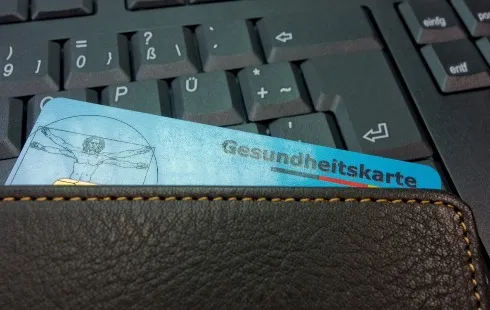
Both private Health Insurance in Germany and public insurance, is often complicated to navigate, not to mention expensive. As an expat, you are required to navigate this landscape within weeks of arriving, so check our FAQ on PKV. For our guide on resources and access to agents who can give you a competitive quote, try our PKV Cost comparison tool.
Germany is famous for its medical expertise and extensive number of hospitals and clinics. See this comprehensive directory of hospitals and clinics across the country, complete with links to their websites, addresses, contact info, and specializations/services.
Join us for the premiere of Echtzeitalter, a captivating theater production based on the novel by Tonio Schachinger. The story follows Till, a new student at a prestigious gymnasium, who grapples with the outdated teaching methods of his strict teacher, Dolinar. As Till navigates his elite...



No comments yet. Be the first to comment!