
Why Turquoise Is Becoming Most Viral Color of 2026
Section: Fashion
Despite ongoing trade tensions initiated by the U.S. administration, Eastern Europe is showing resilience in its economic growth. Recent analyses indicate that the direct trade links between Eastern European nations and the United States are relatively minimal, suggesting that the overall impact of the U.S. trade policies is limited.
According to economic experts, the region's connections to the German economy, which is heavily reliant on exports, may experience some effects due to these tensions. However, the anticipated collateral damage appears to be manageable. The intricate economic relationships between Eastern Europe and major economies are complex, yet they indicate a degree of protection against external shocks.
Countries in Eastern Europe have developed diverse economies that are less sensitive to U.S. trade policy changes. This adaptability is attributed to a mix of local industries and integration into broader European markets, which help cushion the impact of global trade disputes. As a result, many Eastern European economies are projected to continue their growth trajectories, even as challenges arise from international trade dynamics.
Moreover, the region's strategic geographical location and its role as a manufacturing hub for various European industries position it favorably for future economic opportunities. The potential for growth remains strong as Eastern European countries seek to enhance their trade relationships within the EU and explore new markets beyond traditional partners.
As policymakers and business leaders in Eastern Europe navigate this complex landscape, the focus is likely to remain on fostering resilience in local economies. This approach will be critical as they work to mitigate any adverse effects stemming from global trade tensions while capitalizing on their strengths.
Section: Fashion

Section: Health Insurance

Section: News

Section: Politics
Section: Business

Section: Health

Section: Arts
Section: Politics
Section: Business
Section: Health Insurance
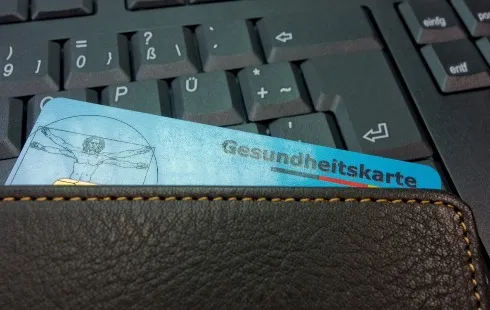
Both private Health Insurance in Germany and public insurance, is often complicated to navigate, not to mention expensive. As an expat, you are required to navigate this landscape within weeks of arriving, so check our FAQ on PKV. For our guide on resources and access to agents who can give you a competitive quote, try our PKV Cost comparison tool.
Germany is famous for its medical expertise and extensive number of hospitals and clinics. See this comprehensive directory of hospitals and clinics across the country, complete with links to their websites, addresses, contact info, and specializations/services.
Join us for the premiere of Echtzeitalter, a captivating theater production based on the novel by Tonio Schachinger. The story follows Till, a new student at a prestigious gymnasium, who grapples with the outdated teaching methods of his strict teacher, Dolinar. As Till navigates his elite...



No comments yet. Be the first to comment!