
Why Marie Antoinette Showed Up All Over Fashion Week This Year
Section: Fashion
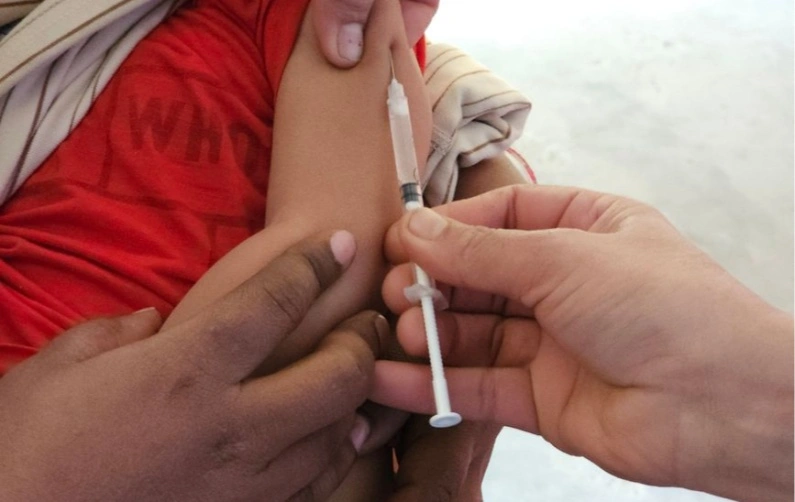
Approximately 240,000 individuals succumb to meningitis annually, a serious inflammation of the membranes surrounding the brain and spinal cord. In response to this public health challenge, the World Health Organization (WHO) has issued new guidelines aimed at preventing infections and ensuring optimal care for affected individuals.
The WHO estimates that there are around 2.5 million cases of meningitis reported each year. According to a health expert from the organization, the condition is unpredictable and can affect anyone, regardless of location, often leading to rapid deterioration in health and even death. Bacterial meningitis accounts for nearly two-thirds of these cases, with young children being particularly vulnerable. The incidence is notably higher in poorer regions of Africa, where access to medical care may be limited.
Among those who survive the illness, approximately one in five may experience long-term consequences, including hearing or vision loss, developmental delays, cognitive impairments, and paralysis. The WHO has highlighted a significant gap in training and resources for healthcare providers, particularly in low-income countries, where the diagnostic process often lacks the necessary tools, such as lumbar puncture equipment to collect cerebrospinal fluid.
There is also a pressing need for improved awareness regarding the available vaccines and antibiotics, as well as the appropriate aftercare that should follow an infection. The newly released guidelines are designed to address these critical gaps and enhance the overall response to meningitis.
In Germany, the Standing Vaccination Committee has already recommended routine vaccinations against meningococcal disease for infants. The WHO has set an ambitious target to reduce the incidence of vaccine-preventable bacterial meningitis by 50% and to decrease related fatalities by 70% by the year 2030.
Section: Fashion
Section: Health

Section: Politics

Section: Politics

Section: Business

Section: Business

Section: Arts

Section: Business

Section: News

Section: Business
Both private Health Insurance in Germany and public insurance, is often complicated to navigate, not to mention expensive. As an expat, you are required to navigate this landscape within weeks of arriving, so check our FAQ on PKV. For our guide on resources and access to agents who can give you a competitive quote, try our PKV Calculator.
Germany is famous for its medical expertise and extensive number of hospitals and clinics. See this comprehensive directory of hospitals and clinics across the country, complete with links to their websites, addresses, contact info, and specializations/services.
Didn't manage to get a ticket for Linkin Park? Or still not enough after the concert? Join us at CRASH on June 12th for our "IN THE END" Linkin Park Special + CORE NIGHT.All night long, we'll be playing Linkin Park's music, along with Nu Metal, Metalcore, and Alternative Rock from bands such as Limp...



No comments yet. Be the first to comment!