
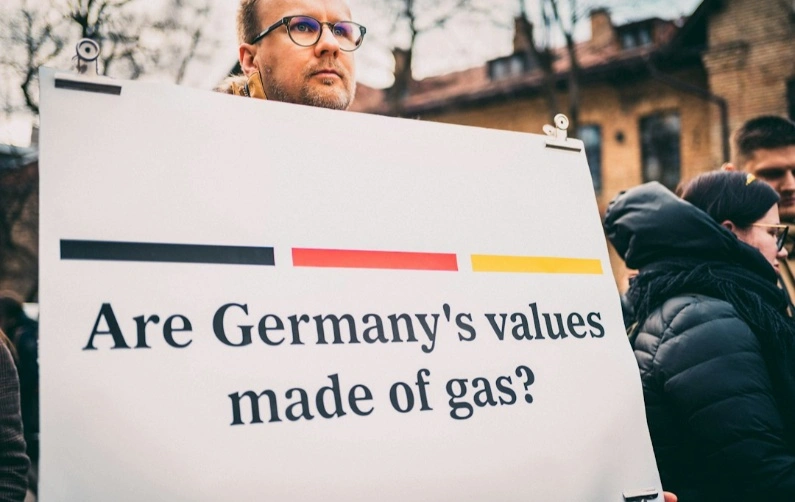
Former German Chancellor Schröder criticised for attending Putin's birthday
Section: News
The number of malaria cases worldwide has climbed to 282 million, marking a significant increase compared to previous years. This surge, observed across various regions, has been attributed to a combination of factors including drug resistance, environmental changes, and weakened healthcare infrastructures.
In several African countries, the rising incidence of malaria is closely linked to the development of resistance by the malaria parasite to commonly used medications. Health experts note that in Ethiopia, for example, the effectiveness of antimalarial drugs has declined, complicating efforts to control and treat the disease. As a result, the spread of malaria has accelerated, presenting new challenges for public health authorities.
Environmental factors have also played a critical role in the increased number of cases. In Madagascar, extensive flooding and the broader effects of climate change have created conditions favorable for the breeding of malaria-carrying mosquitoes. Warmer temperatures and altered rainfall patterns have expanded mosquito habitats, heightening the risk of transmission in regions that previously experienced fewer cases.
Conflict and instability have further exacerbated the malaria situation in some areas. In Yemen, years of military conflict have severely strained the healthcare system, reducing access to essential medical services and anti-malarial treatments. The inability to provide timely care and preventive measures has contributed to a higher burden of the disease in affected communities.
Malaria is caused by a parasitic organism transmitted through the bite of infected Anopheles mosquitoes. The disease typically presents with symptoms such as high fever, chills, and muscle aches. While effective medications exist, timely diagnosis and treatment are essential to prevent severe complications and fatalities. According to recent health data, the majority of malaria cases continue to occur in sub-Saharan Africa, where the disease remains a leading cause of illness and death, particularly among children under five and pregnant women.
International health organizations are calling for renewed efforts to address the growing threat of malaria. Strategies include strengthening surveillance systems, investing in the development of new medications and vaccines, and implementing targeted vector control programs. Additionally, improving access to healthcare and bolstering community education initiatives are seen as critical components in reducing transmission rates and preventing future outbreaks.
The ongoing increase in malaria cases underscores the need for a coordinated global response. Addressing the factors driving the resurgence, from drug resistance to climate change and conflict, is essential to safeguarding vulnerable populations and achieving long-term progress in malaria control and prevention.
Section: News

Section: Science

Section: Business

Section: Business
Section: Science

Section: News
Section: Politics
Section: News

Section: Fashion

Section: Arts
Both private Health Insurance in Germany and public insurance, is often complicated to navigate, not to mention expensive. As an expat, you are required to navigate this landscape within weeks of arriving, so check our FAQ on PKV. For our guide on resources and access to agents who can give you a competitive quote, try our PKV Calculator.
Germany is famous for its medical expertise and extensive number of hospitals and clinics. See this comprehensive directory of hospitals and clinics across the country, complete with links to their websites, addresses, contact info, and specializations/services.
Didn't manage to get a ticket for Linkin Park? Or still not enough after the concert? Join us at CRASH on June 12th for our "IN THE END" Linkin Park Special + CORE NIGHT.All night long, we'll be playing Linkin Park's music, along with Nu Metal, Metalcore, and Alternative Rock from bands such as Limp...



No comments yet. Be the first to comment!