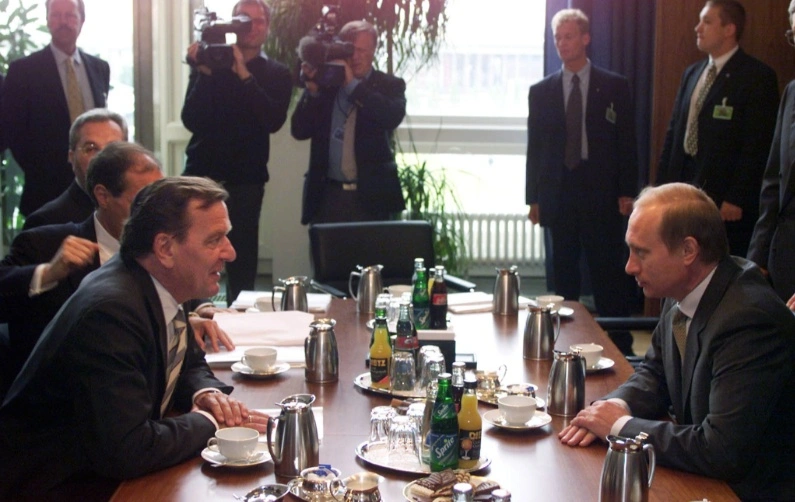
Former German Chancellor Schröder criticised for attending Putin's birthday
Section: News
The Swedish government has announced plans to drastically decrease the wolf population in the country, aiming to address growing concerns among rural communities and farmers regarding livestock predation.
In a recent statement, officials indicated that the proposed measures could lead to a near halving of the current wolf numbers, which have been a contentious issue in Sweden for several years. Advocates for wildlife protection argue that wolves play a crucial role in maintaining ecosystem balance, while opponents cite the threats posed to livestock and public safety.
This decision follows extensive discussions within the government and feedback from various stakeholders, including farmers who have reported increased instances of wolf attacks on their livestock. The government's approach appears to prioritize the interests and safety of rural populations, who have expressed frustration over existing wildlife management policies.
Environmental groups have raised alarms about the potential ecological impact of such a dramatic reduction in the wolf population. They argue that wolves help control deer populations, which, if left unchecked, can lead to overgrazing and subsequent damage to vegetation and habitats. The debate has intensified as different factions weigh the importance of wildlife conservation against agricultural viability.
As part of this initiative, the government plans to implement stricter hunting quotas and may introduce new regulations aimed at managing wolf populations more effectively. The details of these regulations are expected to be discussed in upcoming parliamentary sessions, where various political parties will have the opportunity to voice their opinions and propose amendments to the legislation.
The proposal has sparked mixed reactions across the political spectrum. Some political leaders have expressed support for the government's approach, emphasizing the need to balance wildlife management with the rights and needs of farmers. Others have criticized the plan as a step backward in conservation efforts, calling for more comprehensive strategies that protect both agricultural interests and wildlife.
As the government prepares to move forward with these plans, it faces the challenge of navigating the complex relationship between humans and wildlife in Sweden. The outcome of this initiative may set a precedent for how similar issues are handled in the future, as the country grapples with the implications of wildlife conservation and agricultural practices.
The discussion surrounding Sweden's wolf population is likely to continue as stakeholders from various sectors engage in dialogue regarding the best path forward. With both ecological and economic factors at play, the resolution of this issue remains uncertain, but it underscores the ongoing tensions between conservation efforts and agricultural needs in the region.
Section: News

Section: Science

Section: Business

Section: Business

Section: Science

Section: News

Section: Politics

Section: News

Section: Fashion

Section: Arts
Both private Health Insurance in Germany and public insurance, is often complicated to navigate, not to mention expensive. As an expat, you are required to navigate this landscape within weeks of arriving, so check our FAQ on PKV. For our guide on resources and access to agents who can give you a competitive quote, try our PKV Calculator.
Germany is famous for its medical expertise and extensive number of hospitals and clinics. See this comprehensive directory of hospitals and clinics across the country, complete with links to their websites, addresses, contact info, and specializations/services.
Didn't manage to get a ticket for Linkin Park? Or still not enough after the concert? Join us at CRASH on June 12th for our "IN THE END" Linkin Park Special + CORE NIGHT.All night long, we'll be playing Linkin Park's music, along with Nu Metal, Metalcore, and Alternative Rock from bands such as Limp...



No comments yet. Be the first to comment!