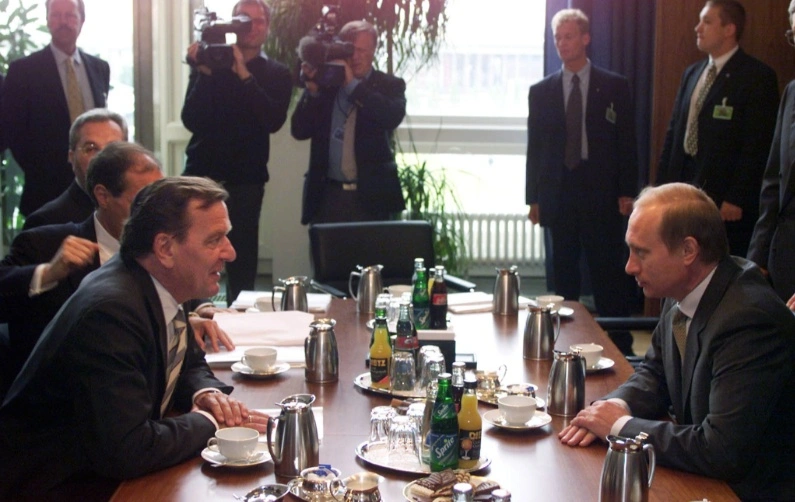
Former German Chancellor Schröder criticised for attending Putin's birthday
Section: News
Recent research highlights a troubling trend in Sweden: individuals from lower socioeconomic backgrounds are experiencing significantly shorter lifespans compared to their wealthier counterparts. This discrepancy has persisted even during periods of expansion in Sweden's welfare state, particularly from the 1960s to the late 1980s.
The study conducted by researchers at Jönköping University indicates that while income inequality has grown over the past three decades, it is not the sole factor contributing to the gap in life expectancy. Researchers emphasize that lifestyle choices play a crucial role in determining health outcomes, with higher-income individuals typically able to make healthier choices.
According to public health experts, economic hardships can severely limit access to healthy options. The challenges faced by those in lower-income brackets often hinder their ability to prioritize health. For instance, individuals struggling financially may find it difficult to afford nutritious food, leading to poor dietary choices that can adversely affect their health.
Experts note that while individuals have a personal responsibility to make healthy choices, there is also a societal obligation to create conditions that facilitate better health outcomes. There exists a significant gap in knowledge between policymakers and disadvantaged communities regarding health resources and preventive measures.
For example, initiatives aimed at encouraging women in underserved areas to participate in preventive health screenings, such as mammograms, have faced criticism. The strategies employed, such as distributing bus tickets to facilitate transportation, often overlook the realities of these women's lives, including their established routines and employment challenges. Many already possess monthly transportation passes for commuting but are reluctant to miss work due to precarious job situations.
Public health advocates argue that it is essential for those in positions of authority to understand the unique challenges faced by economically disadvantaged groups. During outreach efforts, health educators frequently encounter skepticism regarding the affordability of healthy lifestyle recommendations, with some community members expressing a preference for job-seeking guidance over health advice.
The stress associated with financial insecurity can lead to various health issues, including psychosomatic disorders and sleep disturbances. Additionally, a lack of financial resources directly influences health-related choices. For example, individuals may allocate any remaining funds after paying for rent towards purchasing vegetables, yet find themselves unable to afford appropriate clothing or footwear to engage in outdoor activities during colder months.
This complex interplay between economic status and health outcomes underscores the need for systemic changes. Addressing these disparities requires not only individual efforts but also collective action aimed at enhancing access to health resources and education, ultimately fostering a healthier society for all.
Section: News

Section: Science

Section: Business

Section: Business
Section: Science

Section: News
Section: Politics
Section: News

Section: Fashion
Section: Arts
Both private Health Insurance in Germany and public insurance, is often complicated to navigate, not to mention expensive. As an expat, you are required to navigate this landscape within weeks of arriving, so check our FAQ on PKV. For our guide on resources and access to agents who can give you a competitive quote, try our PKV Calculator.
Germany is famous for its medical expertise and extensive number of hospitals and clinics. See this comprehensive directory of hospitals and clinics across the country, complete with links to their websites, addresses, contact info, and specializations/services.
Didn't manage to get a ticket for Linkin Park? Or still not enough after the concert? Join us at CRASH on June 12th for our "IN THE END" Linkin Park Special + CORE NIGHT.All night long, we'll be playing Linkin Park's music, along with Nu Metal, Metalcore, and Alternative Rock from bands such as Limp...


No comments yet. Be the first to comment!