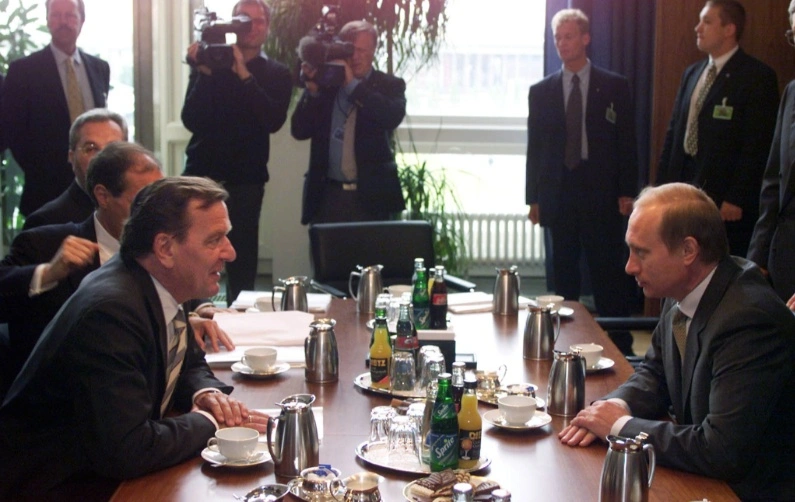
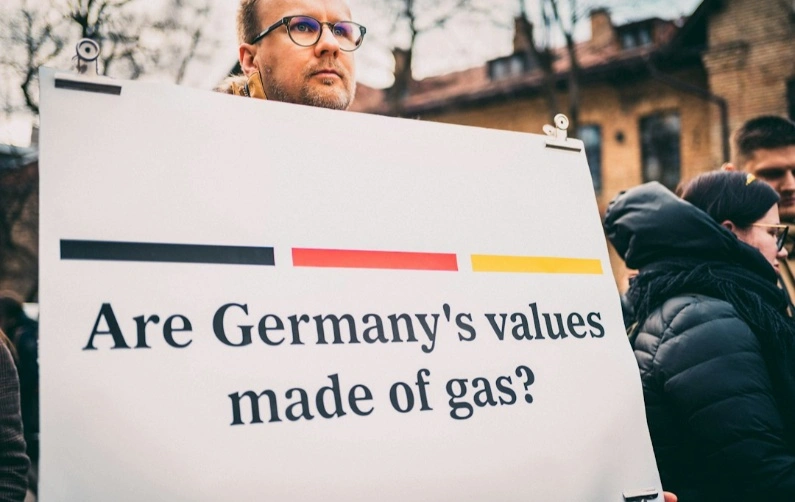
Former German Chancellor Schröder criticised for attending Putin's birthday
Section: News
Porsche, the renowned German automotive manufacturer and a subsidiary of the Volkswagen Group, has reported significant financial setbacks during a challenging period for the company. The automaker disclosed a substantial operating loss of 967 million euros in the third quarter, attributing this downturn to the costs associated with its ongoing strategic transformation.
Over the first nine months of the year, Porsche's operating profit plummeted from 4.04 billion euros in the same period of the previous year to just 40 million euros. This substantial decline was primarily driven by restructuring expenses and one-off charges related to a comprehensive review of the company's operations and product strategy.
Industry analysts had anticipated an operating loss in the region of 600 million euros, but the actual figure surpassed expectations due to higher-than-forecasted restructuring charges. Porsche had previously announced plans to record approximately 1.8 billion euros in restructuring costs for the third quarter; however, the total special expenses ultimately amounted to 2.7 billion euros. Despite this, Porsche's revenue and vehicle deliveries experienced only a modest decline of around six percent. The company delivered 212,069 vehicles, generating revenue of 26.9 billion euros during the reporting period.
Looking ahead, Porsche has reiterated its previously revised guidance for the full financial year, targeting revenue between 37 and 38 billion euros and an operating margin of up to two percent. This projection is significantly lower than the company's historic average, with Porsche having once been the most profitable German car manufacturer, boasting margins of 15 percent in more favorable economic conditions.
The company's Chief Financial Officer emphasized that these results reflect the financial impact of Porsche's strategic overhaul, noting that management is prepared to accept weaker short-term figures in order to lay the groundwork for improved long-term profitability. Executives expressed optimism that the lowest point would be reached this year, with expectations for a noticeable recovery starting in 2026. At that time, leadership changes are scheduled, with the current Porsche CEO transitioning to focus on leading the Volkswagen Group, and the former head of McLaren set to assume the CEO position at Porsche.
Porsche has been significantly affected by declining sales in China, one of its key markets, where demand for luxury vehicles has been dampened by broader economic challenges. In addition, increased U.S. import tariffs have resulted in additional costs estimated in the mid-hundreds of millions of euros for the current year. The company's strategic adjustments include a renewed focus on internal combustion engine models, postponement of a new electric vehicle platform, cancellation of in-house battery production plans, and workforce reductions. These measures are expected to incur a total financial impact of approximately 3.1 billion euros in 2025.
Earlier in the year, Porsche announced the elimination of 1,900 positions. Negotiations are currently underway between management and employee representatives regarding further workforce reductions in response to ongoing market headwinds. The company's financial leadership has indicated that the broader business environment is unlikely to improve in the short term, necessitating the exploration of additional measures to streamline operations and maintain competitiveness.
Porsche's current situation reflects broader challenges within the automotive industry, including shifting market dynamics, regulatory changes, and evolving consumer preferences. While the company faces immediate financial pressures, its management remains focused on executing long-term strategies aimed at restoring profitability and sustaining its position in the luxury automotive segment.
Section: News

Section: Science
Section: Business

Section: Business
Section: Science

Section: News
Section: Politics
Section: News

Section: Fashion
Section: Arts
Both private Health Insurance in Germany and public insurance, is often complicated to navigate, not to mention expensive. As an expat, you are required to navigate this landscape within weeks of arriving, so check our FAQ on PKV. For our guide on resources and access to agents who can give you a competitive quote, try our PKV Calculator.
Germany is famous for its medical expertise and extensive number of hospitals and clinics. See this comprehensive directory of hospitals and clinics across the country, complete with links to their websites, addresses, contact info, and specializations/services.
Didn't manage to get a ticket for Linkin Park? Or still not enough after the concert? Join us at CRASH on June 12th for our "IN THE END" Linkin Park Special + CORE NIGHT.All night long, we'll be playing Linkin Park's music, along with Nu Metal, Metalcore, and Alternative Rock from bands such as Limp...



No comments yet. Be the first to comment!