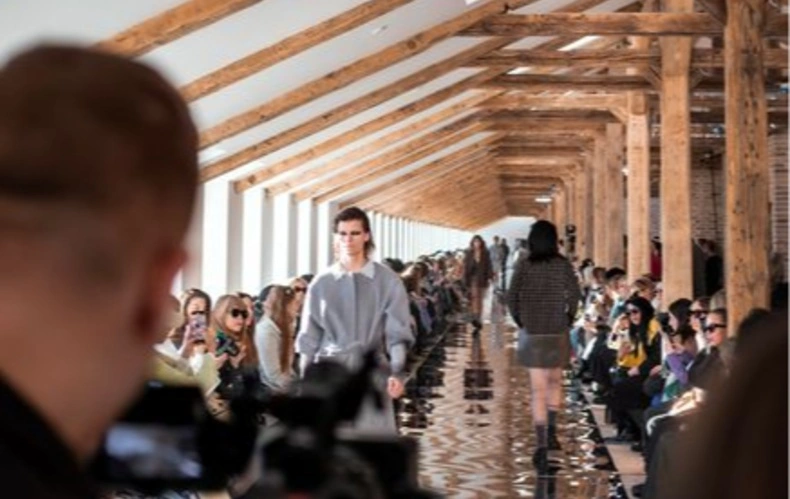
Why Marie Antoinette Showed Up All Over Fashion Week This Year
Section: Fashion
Recent discussions have emerged regarding the integrity of a prominent literary award list published by a major Swedish newspaper. An article from a competing outlet has raised allegations of bias, suggesting that the voting process may favor authors who are connected to the newspaper.
The criticism highlights that many of the books appearing on the list are authored by individuals who have contributed to the newspaper, either as regular columnists or freelancers. This raises questions about the independence of the jury responsible for selecting the top ten books each week.
While the integrity of the books themselves is not in question, the underlying issue rests on the relationship between the authors and the publication. Hundreds of writers have been affiliated with the newspaper over the years, and some of them may find their works celebrated on this prestigious list. Critics argue that this could lead to an unfair advantage for these authors.
In defense of the selection process, the individual overseeing the list asserts that strict guidelines are in place to ensure fairness. According to the administrator, no juror is permitted to vote for their own published works, and every member of the jury independently submits their choices, which are then compiled to create the final list.
While it is acknowledged that some contributors may still appear on the list, the administrator emphasizes that the voting process is conducted in complete secrecy, with each jury member unaware of the others' selections. Discussions surrounding any uncertainties are conducted privately, ensuring that personal relationships do not influence the results.
Despite the safeguards in place, the debate over the potential bias is ongoing. Critics are concerned that the close ties between the newspaper and its contributors could undermine the credibility of the awards. The administrator recognizes the complexity of this situation, noting that it would be unreasonable to exclude all affiliated authors from consideration if their works are deemed worthy.
The conversation surrounding these allegations reflects a broader scrutiny of cultural institutions and their perceived biases. The notion of a 'corrupt cultural elite' has gained traction, with some arguing that the voting process should be more transparent and inclusive of independent voices.
As the literary community continues to grapple with these issues, the importance of maintaining integrity in the selection processes for literary accolades cannot be overstated. Stakeholders are encouraged to engage in constructive dialogue about how to ensure fairness and objectivity in the recognition of literary excellence.
Section: Fashion
Section: Health

Section: Politics

Section: Politics
Section: Business
Section: Business
Section: Arts

Section: Business
Section: News

Section: Business
Both private Health Insurance in Germany and public insurance, is often complicated to navigate, not to mention expensive. As an expat, you are required to navigate this landscape within weeks of arriving, so check our FAQ on PKV. For our guide on resources and access to agents who can give you a competitive quote, try our PKV Calculator.
Germany is famous for its medical expertise and extensive number of hospitals and clinics. See this comprehensive directory of hospitals and clinics across the country, complete with links to their websites, addresses, contact info, and specializations/services.
Didn't manage to get a ticket for Linkin Park? Or still not enough after the concert? Join us at CRASH on June 12th for our "IN THE END" Linkin Park Special + CORE NIGHT.All night long, we'll be playing Linkin Park's music, along with Nu Metal, Metalcore, and Alternative Rock from bands such as Limp...



No comments yet. Be the first to comment!