
Why Marie Antoinette Showed Up All Over Fashion Week This Year
Section: Fashion
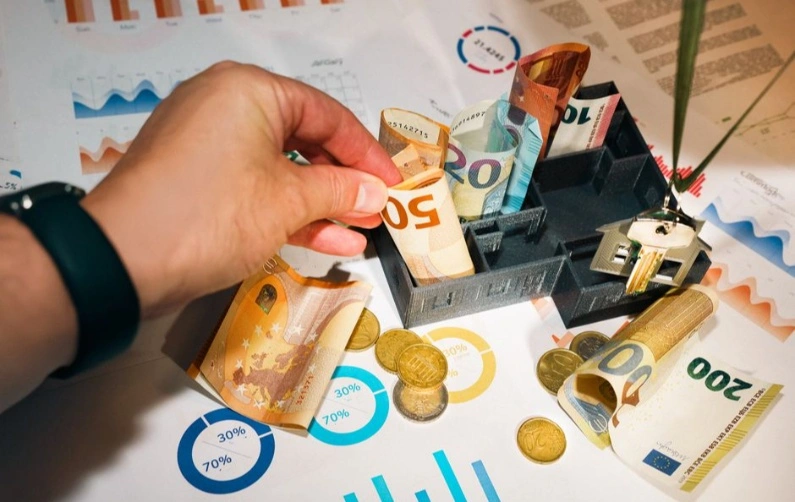
A recent report highlights how inflation is reshaping the economic landscape in Austria, particularly benefiting the meal voucher sector. In 2024, average wages in Austria increased by 7.3%, outpacing the Eurozone's average growth of 4.3%. This wage surge, while beneficial for workers, has raised concerns among economists about its long-term implications for the country's economic competitiveness.
Amid these rising living costs, certain industries have found opportunities for growth. One of the notable beneficiaries is the meal voucher market, which has experienced rapid expansion in recent years. Despite the challenges businesses face in adjusting compensation structures due to soaring wage costs, companies have turned to meal vouchers as a viable alternative for employee benefits.
Employers are unable to convert salary increases directly into tax-free benefits, as reduced meal costs must be provided voluntarily. Should there be a legal entitlement based on collective agreements, these benefits are subject to taxation, negating their tax-exempt status. Nevertheless, the demand for optimized tax benefits, such as meal vouchers, has surged in Austria's competitive market.
Industry experts indicate that the growth of this sector has accelerated significantly since the onset of the COVID-19 pandemic. The shift towards remote work and changing employee expectations have prompted more businesses to explore meal vouchers as part of their benefits offerings.
As inflation continues to impact the cost of living, meal vouchers not only support employees by alleviating some financial pressures but also serve as a strategic tool for companies looking to attract and retain talent in a competitive labor market. This trend underscores the evolving nature of employee benefits in response to economic challenges.
Section: Fashion

Section: Health
Section: Politics

Section: Politics
Section: Business
Section: Business

Section: Arts
Section: Business

Section: News
Section: Business
Both private Health Insurance in Germany and public insurance, is often complicated to navigate, not to mention expensive. As an expat, you are required to navigate this landscape within weeks of arriving, so check our FAQ on PKV. For our guide on resources and access to agents who can give you a competitive quote, try our PKV Calculator.
Germany is famous for its medical expertise and extensive number of hospitals and clinics. See this comprehensive directory of hospitals and clinics across the country, complete with links to their websites, addresses, contact info, and specializations/services.
Didn't manage to get a ticket for Linkin Park? Or still not enough after the concert? Join us at CRASH on June 12th for our "IN THE END" Linkin Park Special + CORE NIGHT.All night long, we'll be playing Linkin Park's music, along with Nu Metal, Metalcore, and Alternative Rock from bands such as Limp...



No comments yet. Be the first to comment!