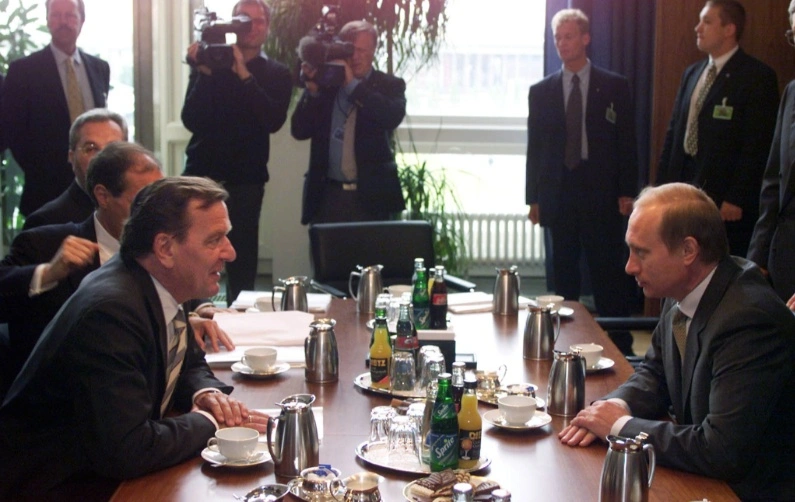
Former German Chancellor Schröder criticised for attending Putin's birthday
Section: News
In modern organizations, bureaucracy often becomes a double-edged sword, presenting both challenges and solutions. A recent case study illustrates how entrenched bureaucratic processes can stifle efficiency and innovation while also highlighting the crucial role of oversight in maintaining quality.
The story revolves around a long-serving employee known for his extensive knowledge and influence within the company. For over three decades, he held a pivotal role as the deputy approver for his department, overseeing a significant part of the company's operational process. His authority to approve or deny requests created a bottleneck, making him a figure that many employees found cumbersome to deal with. Those reliant on his approval often faced unnecessary delays, which became a source of frustration.
However, when this employee fell ill for an extended period, the organization experienced a notable shift. The absence of his oversight prompted management to re-evaluate the existing processes that had remained unchanged for over two decades. This led to a more streamlined approach, eliminating unnecessary approval stages. Consequently, the organization recorded a significant reduction in processing times, demonstrating that the bureaucratic layers initially perceived as necessary were, in fact, hindering productivity.
As the months progressed, the organization saw tangible improvements: processing times decreased, and operational efficiency increased. Yet, this positive outcome was overshadowed by a troubling revelation--after a few months without the employee's oversight, a critical error emerged, resulting in substantial financial losses. This incident underscored the delicate balance between bureaucratic oversight and operational agility.
This scenario raises important questions about the nature of bureaucracy within organizations. While bureaucracy is often criticized for being overly rigid, it serves essential functions, such as ensuring compliance, maintaining quality, and providing structure. The challenge lies in assessing which processes are beneficial and which are merely remnants of past practices that no longer serve the organization's goals.
Furthermore, it highlights a common issue in organizational behavior: change often occurs only when individuals are directly affected by inefficiencies. As long as a process does not hinder one's own work, the impetus to advocate for change tends to diminish.
In conclusion, while bureaucracy is often seen as an impediment to progress, it is crucial for organizations to regularly assess their processes. Identifying outdated practices and understanding the nuances of necessary oversight can foster a more dynamic and responsive environment. Striking the right balance between control and flexibility is key to ensuring both efficiency and quality in organizational operations.
Section: News

Section: Science

Section: Business

Section: Business

Section: Science

Section: News

Section: Politics

Section: News

Section: Fashion

Section: Arts
Both private Health Insurance in Germany and public insurance, is often complicated to navigate, not to mention expensive. As an expat, you are required to navigate this landscape within weeks of arriving, so check our FAQ on PKV. For our guide on resources and access to agents who can give you a competitive quote, try our PKV Calculator.
Germany is famous for its medical expertise and extensive number of hospitals and clinics. See this comprehensive directory of hospitals and clinics across the country, complete with links to their websites, addresses, contact info, and specializations/services.
Didn't manage to get a ticket for Linkin Park? Or still not enough after the concert? Join us at CRASH on June 12th for our "IN THE END" Linkin Park Special + CORE NIGHT.All night long, we'll be playing Linkin Park's music, along with Nu Metal, Metalcore, and Alternative Rock from bands such as Limp...



No comments yet. Be the first to comment!