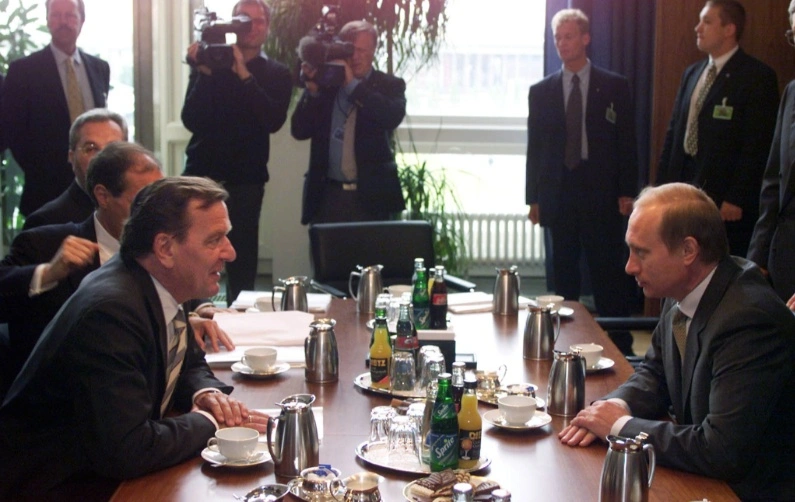
Former German Chancellor Schröder criticised for attending Putin's birthday
Section: News
In response to the ongoing shortage of personnel in the tourism sector, the government has announced a substantial increase in the quotas for seasonal workers from non-EU countries. The new policy, finalized during the recent cabinet meeting, raises the previous quota from approximately 5,000 to 8,000 seasonal workers.
The majority of these additional positions, specifically 2,500, are allocated for workers hailing from the Western Balkan region. This newly created quota aims to alleviate the staffing challenges faced by tourism operators during peak seasons.
Currently, the quotas for seasonal labor from non-EU countries will see an increase from around 5,000 to 5,500 per year. During peak periods, these quotas can be exceeded by up to 50%, although the annual average must remain within the established limits.
Tourism Secretary Elisabeth Zehetner emphasized the vital role of tourism as a driving force for economic growth, particularly during challenging economic times. To harness the full potential of the tourism sector, it is crucial to have a sufficient number of skilled workers.
NEOS Secretary Josef Schellhorn acknowledged this increase as a significant step forward, especially in light of current unemployment figures. The relevant regulations are expected to be issued by September, providing tourism businesses with better predictability for the upcoming winter season.
Additionally, Secretary Michaela Schmidt highlighted that the expansion of seasonal quotas is intended as a temporary measure, set for evaluation in early 2027. The long-term strategy focuses on enhancing the recruitment of domestic workers within the tourism sector.
To support this initiative, a Tourism Employment Fund will be established to encourage the hiring and retention of domestic employees from Austria and other EU/EEA countries. Starting in 2025, EUR6.5 million will be allocated annually to this fund, aimed at financing training programs and providing special assistance in cases of work-related injuries or unemployment.
The fund will be administered by the Ministry of Labor, which will also outline the necessary criteria for accessing these funds. After three years, an evaluation of the fund's effectiveness will be conducted, with a primary goal of improving working conditions in the tourism industry. Schmidt noted that a thriving tourism sector hinges on the well-being of its workforce.
Section: News

Section: Science
Section: Business

Section: Business
Section: Science
Section: News
Section: Politics
Section: News
Section: Fashion
Section: Arts
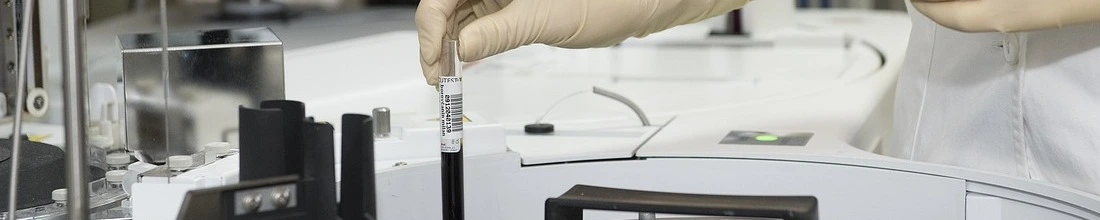
Both private Health Insurance in Germany and public insurance, is often complicated to navigate, not to mention expensive. As an expat, you are required to navigate this landscape within weeks of arriving, so check our FAQ on PKV. For our guide on resources and access to agents who can give you a competitive quote, try our PKV Calculator.
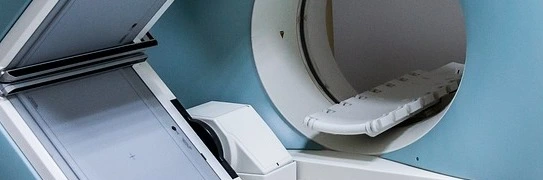
Germany is famous for its medical expertise and extensive number of hospitals and clinics. See this comprehensive directory of hospitals and clinics across the country, complete with links to their websites, addresses, contact info, and specializations/services.
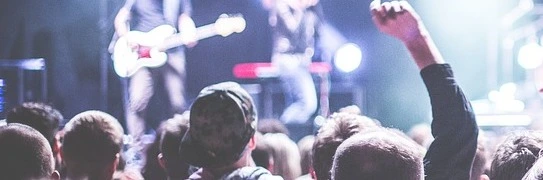
Didn't manage to get a ticket for Linkin Park? Or still not enough after the concert? Join us at CRASH on June 12th for our "IN THE END" Linkin Park Special + CORE NIGHT.All night long, we'll be playing Linkin Park's music, along with Nu Metal, Metalcore, and Alternative Rock from bands such as Limp...
No comments yet. Be the first to comment!