
Why Marie Antoinette Showed Up All Over Fashion Week This Year
Section: Fashion
In recent months, analysts had projected oil prices hovering around $100 per barrel. However, escalating trade tensions, market instability, and signs of economic slowdowns in both the United States and Europe, combined with decreasing demand in China, have dramatically altered this forecast. As of Wednesday, the price of oil fell to $60 per barrel.
Experts believe that a reduction in fuel prices is imminent unless there is a significant easing of tariffs. The prevailing sentiment in the market indicates fears of an impending recession, according to oil analysts.
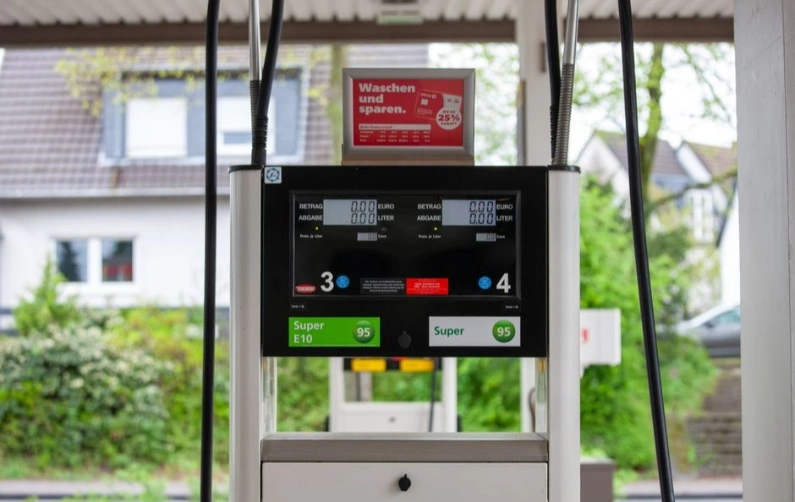
The impact of this drop in oil prices is already being felt by consumers in Sweden, where the cost of gasoline and diesel has dipped below 15 Swedish kronor per liter in some regions. This represents a stark contrast to the peak prices of 26-27 kronor per liter observed in 2022.
Furthermore, the repercussions extend beyond just fuel pumps. Lower oil prices contribute to decreased transportation costs, which in turn affects various sectors, from agriculture reliant on diesel to retail food prices. Air travel costs may also see a reduction. In addition, the Swedish krona has strengthened against the dollar, further enhancing import conditions and household purchasing power.
This situation coincides with a slowdown in inflation and expectations of interest rate cuts in several countries, indicating a potential economic downturn.
Analysts note that a lower oil price generally indicates reduced inflationary pressure, favoring lower interest rates. While this scenario is beneficial for consumers, it does not mitigate the challenges posed by a declining global economy.
The global economic landscape remains unstable, characterized by conflicts, geopolitical tensions, and protectionist policies affecting trade flows. Nevertheless, for Swedish consumers who have experienced rising prices without proportional income increases, the drop in oil prices is a welcome relief.
Conversely, for oil-producing nations, the current low oil prices present a critical situation. For instance, Russian oil from the Baltic ports is being sold for as low as $50 per barrel, significantly below the $75 per barrel that the Kremlin had anticipated for its national budget. In March, prior to the imposition of tariffs by the United States, Russian oil revenues had already declined by 17%. This poses a growing dilemma for the Russian economy, heavily reliant on energy exports.
In the United States, the pressure is also mounting. The fracking industry, known for high production costs and substantial debt, is beginning to feel the strain. Some oil fields are becoming unprofitable, prompting certain producers to halt investments or cease operations altogether.
Overall, the current landscape presents a complex interplay of factors affecting both consumers and producers in the global oil market.
Section: Fashion
Section: Health
Section: Politics
Section: Politics
Section: Business
Section: Business

Section: Arts
Section: Business

Section: News
Section: Business
Both private Health Insurance in Germany and public insurance, is often complicated to navigate, not to mention expensive. As an expat, you are required to navigate this landscape within weeks of arriving, so check our FAQ on PKV. For our guide on resources and access to agents who can give you a competitive quote, try our PKV Calculator.
Germany is famous for its medical expertise and extensive number of hospitals and clinics. See this comprehensive directory of hospitals and clinics across the country, complete with links to their websites, addresses, contact info, and specializations/services.
Didn't manage to get a ticket for Linkin Park? Or still not enough after the concert? Join us at CRASH on June 12th for our "IN THE END" Linkin Park Special + CORE NIGHT.All night long, we'll be playing Linkin Park's music, along with Nu Metal, Metalcore, and Alternative Rock from bands such as Limp...



No comments yet. Be the first to comment!