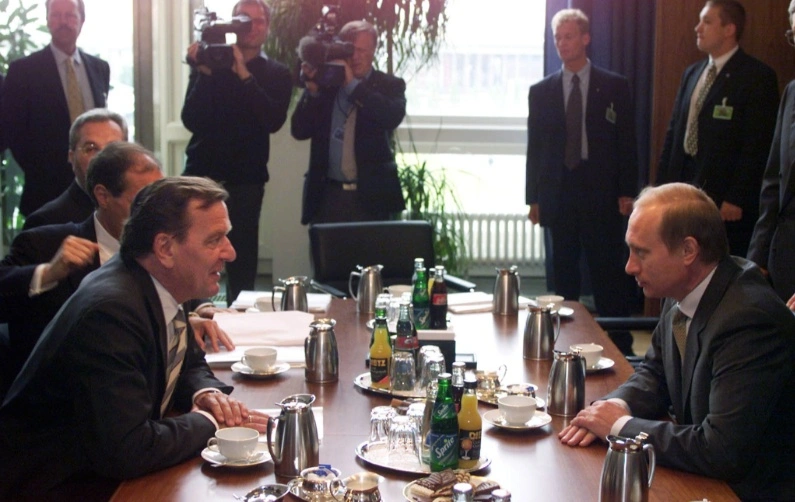
Former German Chancellor Schröder criticised for attending Putin's birthday
Section: News
On May 3, 2000, a significant development in the global chemical industry took place when the European Commission granted approval for the merger between Dow Chemical and Union Carbide. This merger positioned the newly formed entity as the world's second-largest chemical company, underscoring the growing consolidation within the sector.
Dow Chemical, based in the United States, has long been a major player in the chemical manufacturing landscape, known for its extensive portfolio that includes agricultural products, plastics, and specialty chemicals. Union Carbide, also an American company, was recognized for its innovations in chemical processes and materials, particularly in the production of plastics and chemicals used in various consumer products.
The merger was seen as a strategic move to enhance operational efficiencies, reduce costs, and expand product offerings in a highly competitive market. By combining resources and expertise, the new company aimed to capitalize on emerging markets and strengthen its position against other global competitors.
Regulatory bodies closely scrutinized the merger to assess its impact on competition within the industry. The European Commission's approval came after thorough evaluations, ensuring that the merger would not significantly hinder competition or lead to monopolistic practices in the chemical sector.
Historically, the chemical industry has experienced waves of consolidation, driven by the need for companies to innovate and adapt to changing market demands. The merger of Dow Chemical and Union Carbide represented a continuation of this trend, as companies sought to leverage synergies that could lead to enhanced research and development capabilities.
In the years following the merger, the combined company focused on sustainability initiatives and the development of new technologies aimed at reducing environmental impacts. This alignment with global sustainability goals reflected the industry's shift towards more responsible manufacturing practices.
The merger also had implications beyond just business operations; it influenced employment patterns, supply chains, and partnerships within the chemical manufacturing ecosystem. As the newly merged entity navigated the complexities of integration, it faced challenges related to aligning corporate cultures and operational strategies.
Overall, the merger of Dow Chemical and Union Carbide marked a pivotal moment in the history of the chemical industry, setting the stage for further transformations in how chemical companies operate and compete on a global scale.
Section: News

Section: Science
Section: Business

Section: Business

Section: Science

Section: News

Section: Politics

Section: News

Section: Fashion

Section: Arts
Both private Health Insurance in Germany and public insurance, is often complicated to navigate, not to mention expensive. As an expat, you are required to navigate this landscape within weeks of arriving, so check our FAQ on PKV. For our guide on resources and access to agents who can give you a competitive quote, try our PKV Calculator.
Germany is famous for its medical expertise and extensive number of hospitals and clinics. See this comprehensive directory of hospitals and clinics across the country, complete with links to their websites, addresses, contact info, and specializations/services.
Didn't manage to get a ticket for Linkin Park? Or still not enough after the concert? Join us at CRASH on June 12th for our "IN THE END" Linkin Park Special + CORE NIGHT.All night long, we'll be playing Linkin Park's music, along with Nu Metal, Metalcore, and Alternative Rock from bands such as Limp...



No comments yet. Be the first to comment!