
German companies unprepared for AI-based cyber attacks
Section: Science
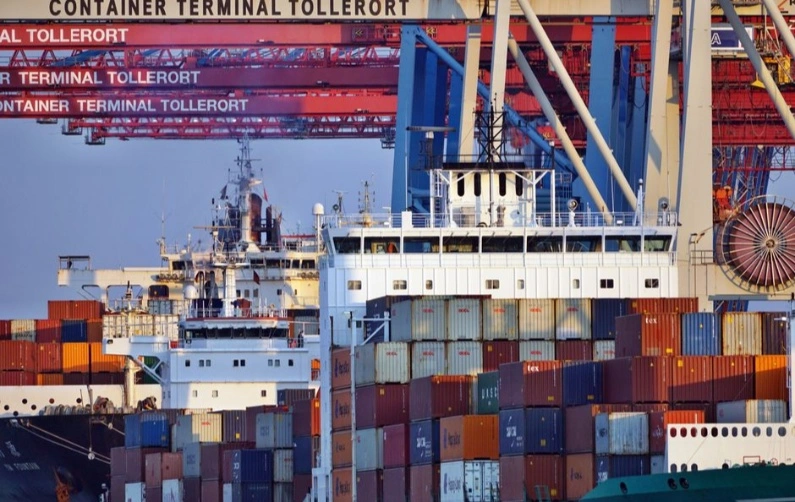
The European Union is set to abolish its current duty-free threshold of 150 euros for parcels imported from non-EU countries, introducing a uniform customs charge for all e-commerce shipments under this value. This regulatory change, scheduled to take effect from July 1, 2026, stems from a recent agreement among EU finance ministers and is aimed at creating a more equitable trading environment for European businesses.
At present, goods imported into the EU from third countries are exempt from customs duties if their value does not exceed 150 euros. This provision has led to a significant influx of low-cost products, especially from Asian online retailers. According to data from the European Commission, approximately 91% of e-commerce imports valued below this limit originated from China in 2024. The new policy will impose a flat customs fee of three euros on every parcel valued under 150 euros entering the EU from outside member states.
The primary objective behind this measure is to address longstanding concerns over market imbalances. Domestic companies and European manufacturers have argued that the existing threshold distorts competition, as it allows foreign sellers to offer products at lower prices without incurring import duties. This has reportedly placed local businesses at a disadvantage and raised questions regarding the enforcement of product standards and consumer protections within the EU single market.
With the elimination of the duty-free allowance, around four billion parcels per year are expected to be affected by the new customs regulation. The policy is also anticipated to enhance EU revenues by increasing the bloc's own financial resources, which are partially funded through customs duties. Additionally, policymakers hope the change will contribute to more transparent and fair trading practices, discouraging price dumping and ensuring that all market participants adhere to the same regulatory standards.
European officials have underscored the necessity of this step to preserve the competitiveness of the continent's businesses and to reinforce the integrity of the EU's internal market. They have cited the risks posed by the unchecked flow of inexpensive imports, which can undermine local industries and reduce tax revenues. The new customs regime is expected to support industry and employment within the EU by creating a level playing field for producers and retailers operating domestically and across the bloc.
Austria has been among the vocal supporters of the reform, advocating for the removal of the threshold and the modernization of customs procedures. The Austrian government has highlighted its commitment to ensuring that customs processes are efficient, digitalized, and transparent to strengthen the domestic market while upholding high standards in e-commerce transactions.
The implementation of the revised customs rules is part of a broader EU strategy to adapt to the evolving landscape of global trade and digital commerce. As online shopping continues to grow in popularity, the Union is seeking to ensure that its regulatory framework keeps pace with changes in consumer behavior and supply chain dynamics. The new customs policy is designed to address loopholes that have been exploited by international sellers and to guarantee that European businesses can compete fairly on both local and international markets.
EU member states and their respective customs authorities are expected to prepare for the transition by updating their systems and informing businesses and consumers about the upcoming changes. The reform reflects the EU's ongoing commitment to fostering a resilient, competitive, and transparent economic environment that benefits both producers and consumers within the Union.
Section: Science
Section: Business

Section: Business

Section: Science
Section: News
Section: Politics
Section: News

Section: Fashion
Section: Arts

Section: Fashion
Both private Health Insurance in Germany and public insurance, is often complicated to navigate, not to mention expensive. As an expat, you are required to navigate this landscape within weeks of arriving, so check our FAQ on PKV. For our guide on resources and access to agents who can give you a competitive quote, try our PKV Calculator.
Germany is famous for its medical expertise and extensive number of hospitals and clinics. See this comprehensive directory of hospitals and clinics across the country, complete with links to their websites, addresses, contact info, and specializations/services.
Didn't manage to get a ticket for Linkin Park? Or still not enough after the concert? Join us at CRASH on June 12th for our "IN THE END" Linkin Park Special + CORE NIGHT.All night long, we'll be playing Linkin Park's music, along with Nu Metal, Metalcore, and Alternative Rock from bands such as Limp...



No comments yet. Be the first to comment!