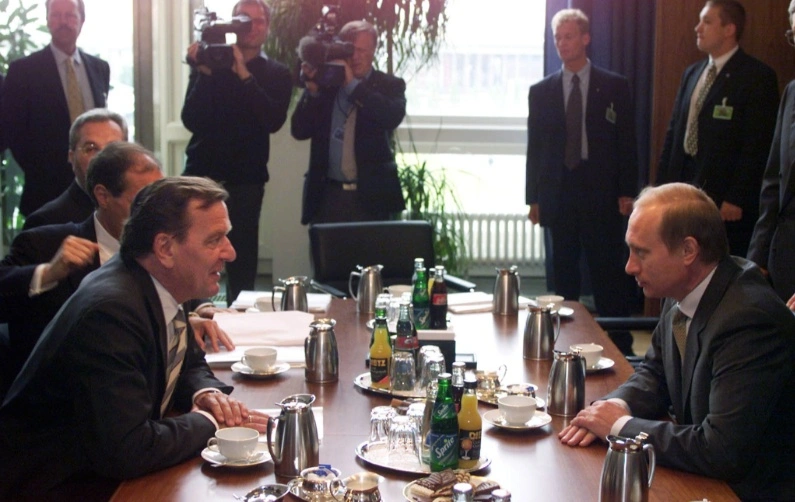
Former German Chancellor Schröder criticised for attending Putin's birthday
Section: News
Following a wet autumn and winter, water reservoirs in northern Sweden are well-stocked, resulting in low and stable electricity prices during the summer months. This surplus of water is expected to keep prices around 13-14 öre per kilowatt-hour, compared to 18 öre in the summer of the previous year, as noted in an analysis by the electricity trading company Bixia.
However, in central Sweden, electricity prices are projected to rise to approximately 32 öre per kilowatt-hour, marking a 70% increase from the summer of 2024. This increase is primarily attributed to ongoing maintenance work at the Oskarshamn 3 nuclear reactor, which is expected to continue until August 15, thereby reducing planned electricity production.
The maintenance at Oskarshamn is also affecting southern Sweden, where electricity prices are anticipated to be around 50 öre per kilowatt-hour, a figure consistent with last year's rates.
Analysts indicate that the overall energy balance appears stable for the summer, with a significant surplus. Sweden plans to import many inexpensive negative hours from the continent, which will help to keep average prices low. Negative hours refer to periods when electricity prices drop below zero, typically occurring when solar production peaks between 11 AM and 4 PM, leading to an excess of electricity in Europe. Customers with time-based pricing contracts can take advantage of these periods by charging electric vehicles or running appliances like dishwashers and washing machines, as suggested by Bixia analysts.
Looking ahead, the potential for a warm and dry summer across Europe may impact electricity markets later. Increased demand for fossil fuels in the autumn could arise due to geopolitical uncertainties, although the specific effects on electricity prices remain uncertain at this time.
Section: News

Section: Science

Section: Business

Section: Business

Section: Science

Section: News

Section: Politics

Section: News

Section: Fashion

Section: Arts
Both private Health Insurance in Germany and public insurance, is often complicated to navigate, not to mention expensive. As an expat, you are required to navigate this landscape within weeks of arriving, so check our FAQ on PKV. For our guide on resources and access to agents who can give you a competitive quote, try our PKV Calculator.
Germany is famous for its medical expertise and extensive number of hospitals and clinics. See this comprehensive directory of hospitals and clinics across the country, complete with links to their websites, addresses, contact info, and specializations/services.
Didn't manage to get a ticket for Linkin Park? Or still not enough after the concert? Join us at CRASH on June 12th for our "IN THE END" Linkin Park Special + CORE NIGHT.All night long, we'll be playing Linkin Park's music, along with Nu Metal, Metalcore, and Alternative Rock from bands such as Limp...



No comments yet. Be the first to comment!