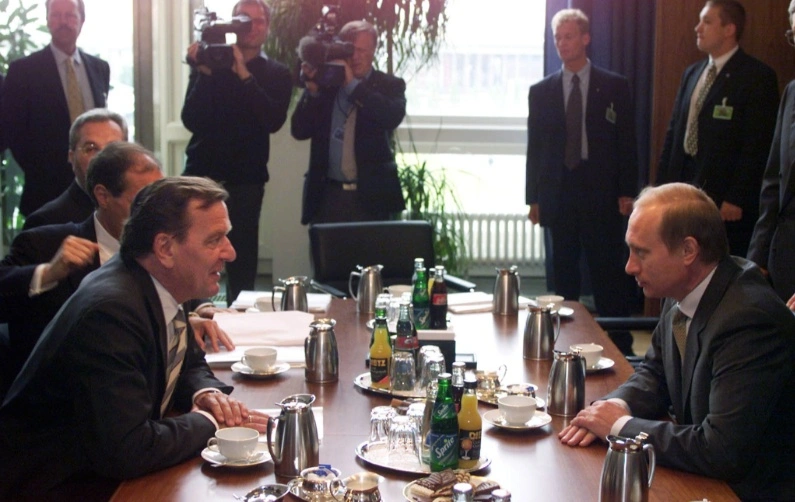
Former German Chancellor Schröder criticised for attending Putin's birthday
Section: News
The eFuel Alliance has made a strong case for the importance of synthetic fuels, known as eFuels, during challenging times at the recent eFuel Conference in Vienna. These fuels, produced using electricity, are viewed as a crucial component for Europe's defense efforts and achieving climate goals. The organization insists that eFuels should be recognized as a viable alternative alongside electric mobility.
According to industry expert Corentin Prié from Porsche Consulting, even by 2040, approximately 55% of today's demand for liquid fuels is expected to persist. He noted that 37% of passenger cars, 62% of trucks and buses, as well as nearly all aircraft and ships, will still rely on combustion engines.
Shena Britzen, head of the hydrogen program at Rheinmetall, a German technology and defense company, emphasized the strategic necessity of synthetic fuels. She pointed out that in scenarios of crisis or war, the existing electrical grid and oil imports could be particularly vulnerable.
Jochen Danninger, Secretary-General of the Austrian Chamber of Commerce, remarked that the energy transition in Austria is not only an ecological concern but also an economic imperative. He highlighted that eFuels create value, secure jobs, and open export opportunities in a global market worth billions.
Stephan Schwarzer, Secretary-General of the eFuel Alliance in Austria, added that eFuels are not a niche product but rather an essential element for climate protection, job preservation, and energy security.
Despite the debate surrounding the high production costs, limited availability, and low energy efficiency of eFuels for passenger vehicles, they are considered a promising solution for heavy transport, shipping, and aviation. The production process involves splitting water into hydrogen and oxygen through electrolysis. The resulting hydrogen is then combined with carbon dioxide and transformed into synthetic gasoline, diesel, or kerosene using the Fischer-Tropsch synthesis method.
Section: News

Section: Science
Section: Business

Section: Business
Section: Science
Section: News
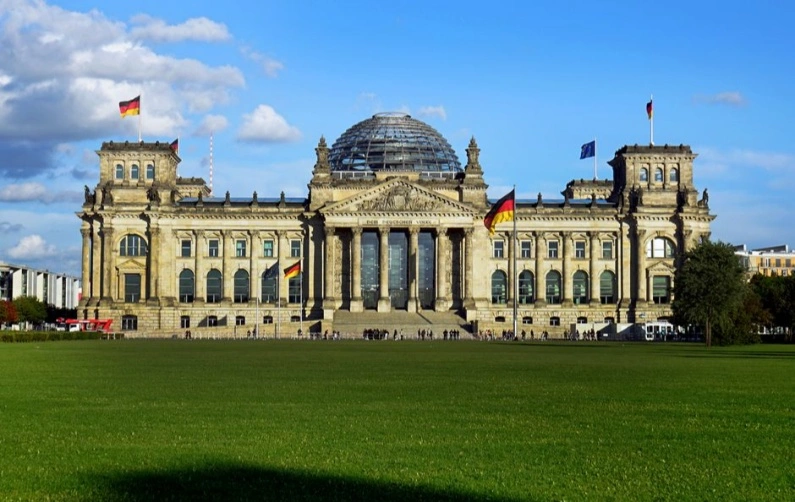
Section: Politics
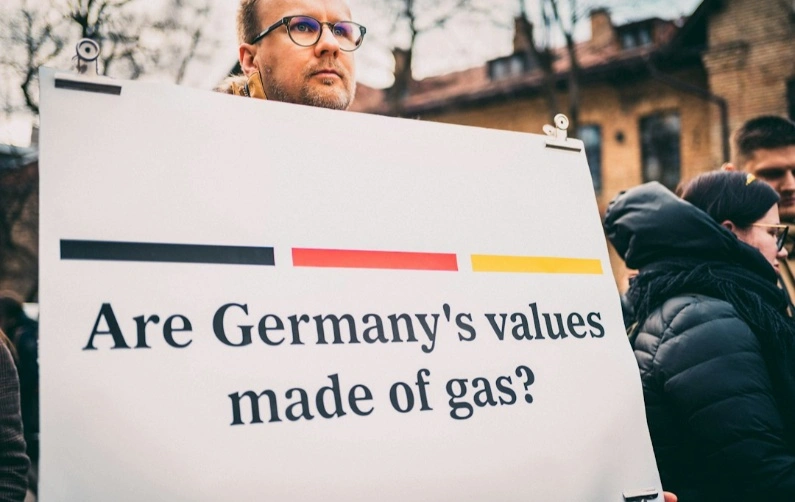
Section: News
Section: Fashion
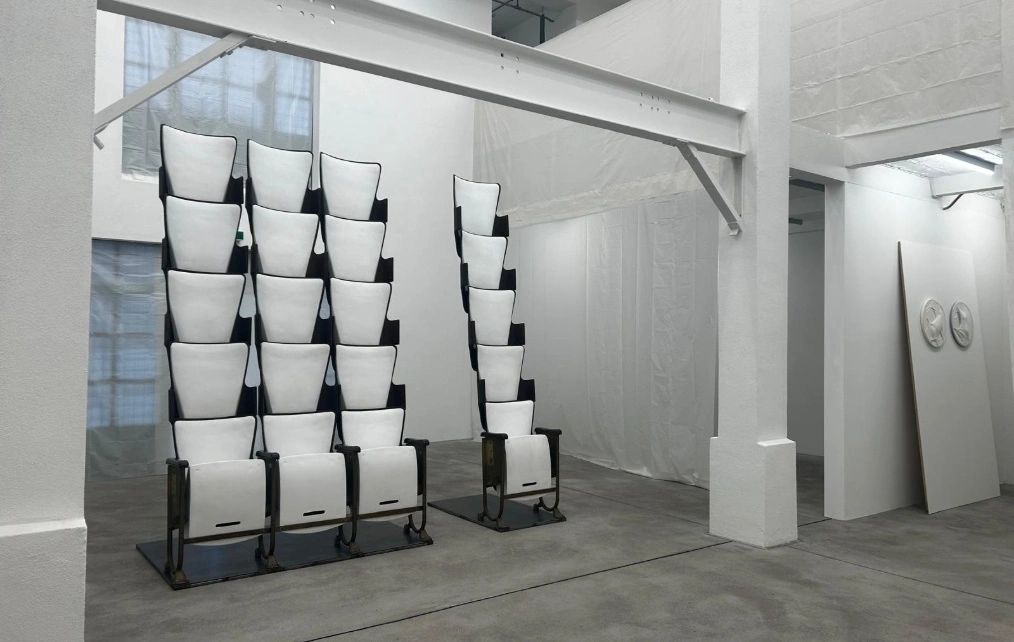
Section: Arts
Both private Health Insurance in Germany and public insurance, is often complicated to navigate, not to mention expensive. As an expat, you are required to navigate this landscape within weeks of arriving, so check our FAQ on PKV. For our guide on resources and access to agents who can give you a competitive quote, try our PKV Calculator.
Germany is famous for its medical expertise and extensive number of hospitals and clinics. See this comprehensive directory of hospitals and clinics across the country, complete with links to their websites, addresses, contact info, and specializations/services.
Didn't manage to get a ticket for Linkin Park? Or still not enough after the concert? Join us at CRASH on June 12th for our "IN THE END" Linkin Park Special + CORE NIGHT.All night long, we'll be playing Linkin Park's music, along with Nu Metal, Metalcore, and Alternative Rock from bands such as Limp...



No comments yet. Be the first to comment!