
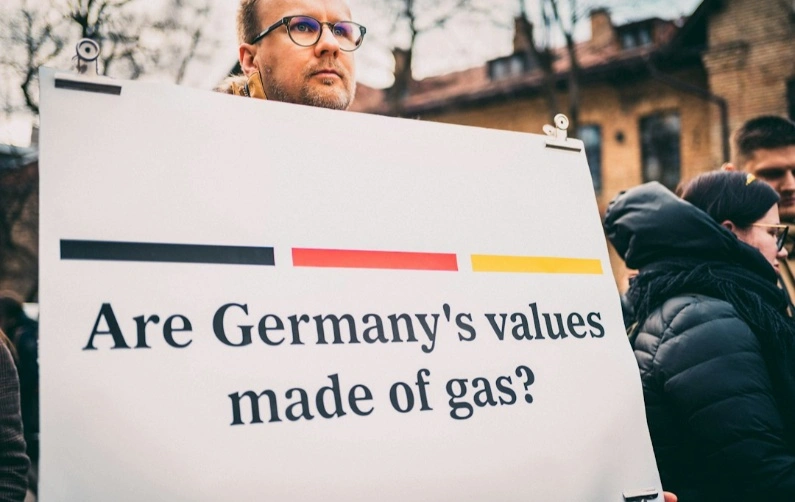
Former German Chancellor Schröder criticised for attending Putin's birthday
Section: News
Recent research from institutions in Vienna and Lausanne has raised serious concerns about air quality in climbing gyms, particularly bouldering facilities. The study highlights alarming levels of airborne particles containing potentially harmful chemicals originating from the wear and tear of climbing shoe rubber soles. The concentration of these particles in indoor climbing environments has been found to exceed levels typically seen near heavily trafficked urban roads.
Previous studies had already indicated high levels of fine particulate matter in climbing gyms, attributing the primary source to chalk (magnesium carbonate), which climbers use to enhance grip on holds. However, the new study, published in the journal Environmental Science and Technology Air, shifts the focus to another significant contributor: the rubber soles of climbing shoes.
Anya Sherman, the lead researcher from the Center for Microbiology and Environmental System Science (CeMESS) at the University of Vienna, explains that climbing shoes are designed to protect the foot, adapt flexibly to climbing holds, and provide maximum grip. These shoes are high-performance products, akin to car tires, and, like tires, they include additives aimed at enhancing durability and performance. Some of these additives are suspected of posing risks to both human health and the environment.
In previous research, the CeMESS team, led by Thilo Hofmann, demonstrated that the wear from car tires can be dispersed into the environment through wind and runoff, leading to potential contamination of crops. The study of climbing shoes follows a similar path, as the researchers set out to analyze the particles released from the soles during climbing activities.
As climbers wipe their hands on holds to improve grip, they inadvertently release these rubber particles into the air, creating a mix of potentially hazardous airborne substances. Using advanced particle collection methods, the researchers gathered air samples from five bouldering gyms in Vienna and additional locations in France, Spain, and Switzerland.
The results were surprising; the levels of airborne pollution in the climbing gyms were significantly higher than anticipated, comparable to those found along multi-lane roads in major metropolitan areas. The study revealed that gyms with higher foot traffic exhibited elevated concentrations of rubber abrasion particles.
Analysis of the 30 different climbing shoe samples uncovered the presence of several chemicals commonly found in car tires, including benzothiazole (BTZ) and 6PPD, a stabilizer linked to environmental issues affecting aquatic life.
While the specific health impacts of inhaling these rubber particles remain uncertain, researchers emphasize that the presence of such substances in the air is concerning. Hofmann strongly advocates for proactive measures to mitigate risks, particularly for vulnerable groups like children.
Operators of the climbing gyms involved in the study have shown a willingness to address these air quality issues. Potential solutions include improving ventilation systems, enhancing cleaning protocols, managing peak usage times, and opting for climbing shoes with fewer harmful additives. Hofmann also calls on manufacturers in the climbing shoe industry to increase awareness of these problems and shift towards producing soles made from less toxic materials.
This study underscores the need for increased scrutiny of indoor sports environments and the materials used in athletic gear, particularly as participation in climbing continues to rise. Ensuring the health and safety of climbers should be a priority as the sport grows in popularity.
Section: News

Section: Science

Section: Business

Section: Business

Section: Science
Section: News
Section: Politics
Section: News

Section: Fashion
Section: Arts
Both private Health Insurance in Germany and public insurance, is often complicated to navigate, not to mention expensive. As an expat, you are required to navigate this landscape within weeks of arriving, so check our FAQ on PKV. For our guide on resources and access to agents who can give you a competitive quote, try our PKV Calculator.
Germany is famous for its medical expertise and extensive number of hospitals and clinics. See this comprehensive directory of hospitals and clinics across the country, complete with links to their websites, addresses, contact info, and specializations/services.
Didn't manage to get a ticket for Linkin Park? Or still not enough after the concert? Join us at CRASH on June 12th for our "IN THE END" Linkin Park Special + CORE NIGHT.All night long, we'll be playing Linkin Park's music, along with Nu Metal, Metalcore, and Alternative Rock from bands such as Limp...



No comments yet. Be the first to comment!