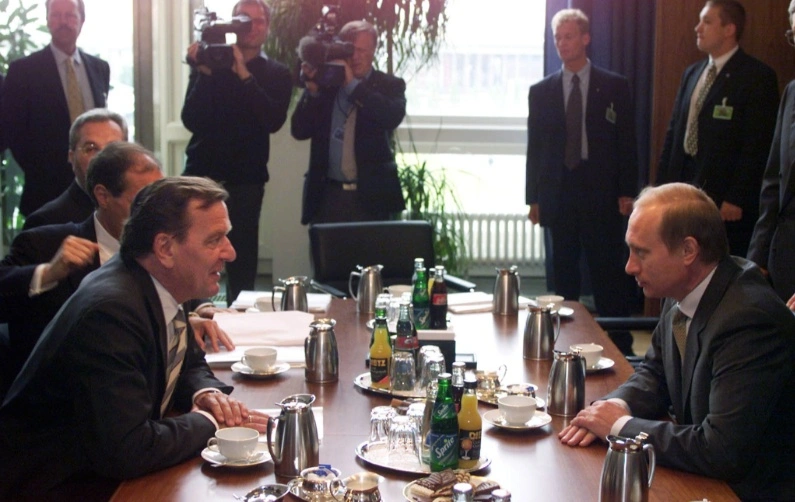
Former German Chancellor Schröder criticised for attending Putin's birthday
Section: News
Over the past decades, Austrian real estate companies have expanded into international markets, particularly in Central and Eastern Europe. This trend began in the early 1990s following the economic opening of Eastern Europe. However, the initial wave of expansion has subsided, and only a select group of Austrian developers remain active in these regions today. Companies now concentrate on specific countries and carefully chosen markets, reflecting a more targeted approach to international investment.
The decision to pursue projects abroad is shaped by a complex set of economic and regulatory challenges. Market volatility, rising financing costs, and uncertainties in property valuations have made international ventures increasingly demanding. As a result, many firms are hesitant to engage in foreign projects unless they possess a well-established presence and a robust local network.
Historically, Austrian real estate projects have been completed in countries such as Romania, Slovakia, Hungary, and Ukraine. Yet, successful entry into new markets requires in-depth knowledge of local conditions and reliable partnerships. Companies with long-term engagement and strong local ties, like the S+B Group, have been able to implement projects efficiently and with reduced risk. Current developments by S+B Group include residential, office, and scientific infrastructure projects in countries like the Czech Republic, Poland, and Romania. These markets are favored due to their economic stability, transparent regulations, and sustained demand, particularly in urban centers.
In terms of asset classes, Austrian developers are increasingly focusing on future-proof sectors such as mixed-use properties and digital infrastructure. By prioritizing high-quality, multi-purpose developments, companies aim to address evolving market needs and maintain stable demand even amid broader structural changes.
Poland has emerged as a particularly attractive market for Austrian firms, especially in cities outside of the capital, Warsaw. The country's strong economic growth within the European Union and its positive investment climate have led developers like Warimpex to intensify activities. Recent milestones include securing building permits for new residential projects in Krakow and advancing plans for co-living and office spaces in the city. These developments align with broader trends emphasizing flexibility and early recognition of market shifts.
In the hospitality sector, Austrian companies are also exploring opportunities beyond their home market. JP Immobilien, which began with residential properties in Austria, now manages a portfolio of hotels across several European countries. Notable projects include a city-leisure hotel in Trieste, a ski resort in Zermatt, and a city hotel in Florence. The company maintains a presence in Italy, Portugal, Spain, and Greece, although the Southern European hospitality industry continues to face challenges such as unresolved succession issues and the need for modernization.
Business hotels in urban areas have attracted renewed interest due to the recovery of business travel and the adoption of flexible management concepts. Investors such as Kollitsch Invest are developing properties in destinations like the Czech Republic and Poland to capitalize on these trends. The growing demand for accommodations that blend work and leisure is shaping the future direction of international real estate investment by Austrian firms.
Overall, Austrian real estate companies have recalibrated their strategies for international ventures, placing a greater emphasis on select markets with favorable conditions. The focus on economic stability, regulatory transparency, and sustainable demand is guiding their activities as they navigate the complexities of global real estate development.
Section: News

Section: Science
Section: Business

Section: Business
Section: Science
Section: News
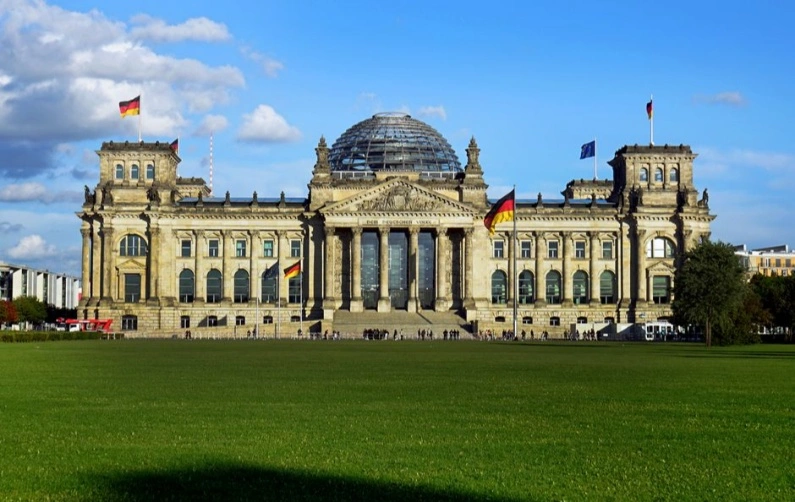
Section: Politics
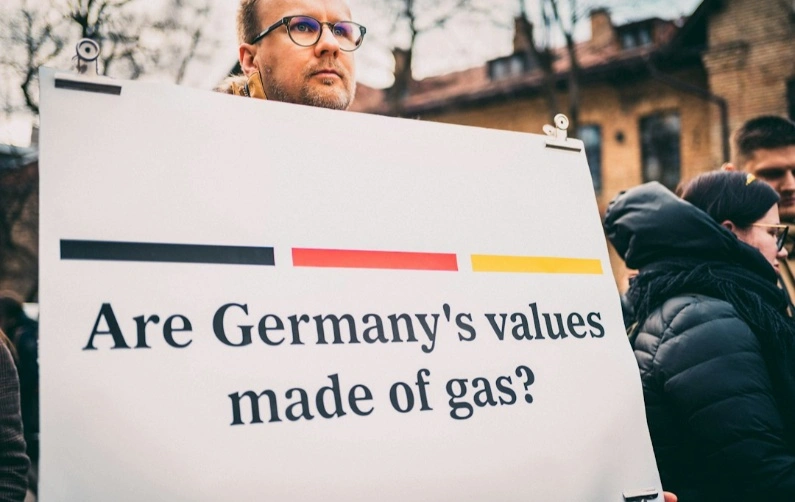
Section: News

Section: Fashion
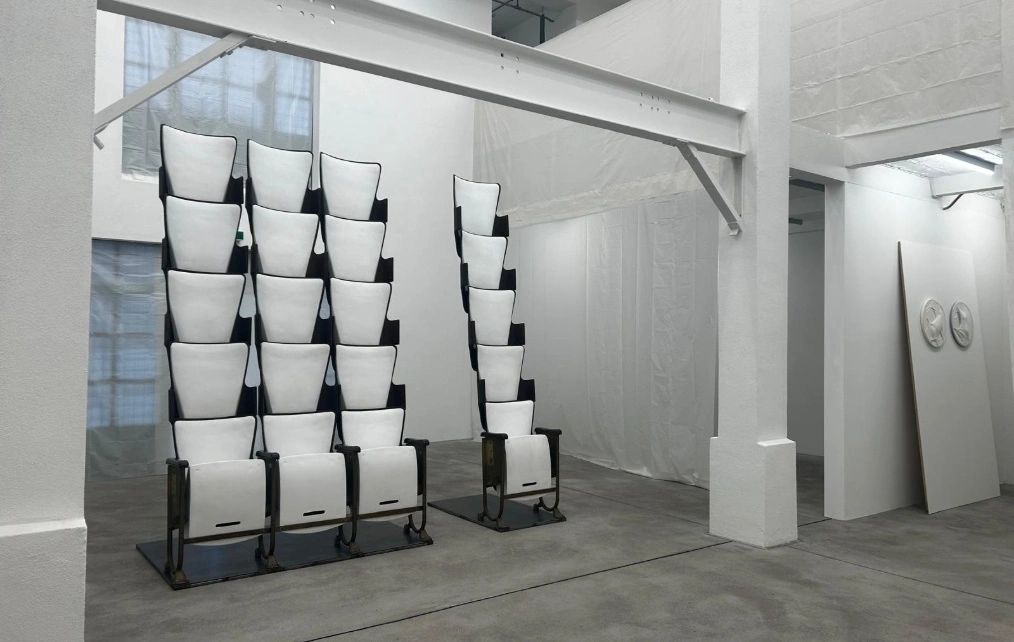
Section: Arts
Both private Health Insurance in Germany and public insurance, is often complicated to navigate, not to mention expensive. As an expat, you are required to navigate this landscape within weeks of arriving, so check our FAQ on PKV. For our guide on resources and access to agents who can give you a competitive quote, try our PKV Calculator.
Germany is famous for its medical expertise and extensive number of hospitals and clinics. See this comprehensive directory of hospitals and clinics across the country, complete with links to their websites, addresses, contact info, and specializations/services.
Didn't manage to get a ticket for Linkin Park? Or still not enough after the concert? Join us at CRASH on June 12th for our "IN THE END" Linkin Park Special + CORE NIGHT.All night long, we'll be playing Linkin Park's music, along with Nu Metal, Metalcore, and Alternative Rock from bands such as Limp...



No comments yet. Be the first to comment!