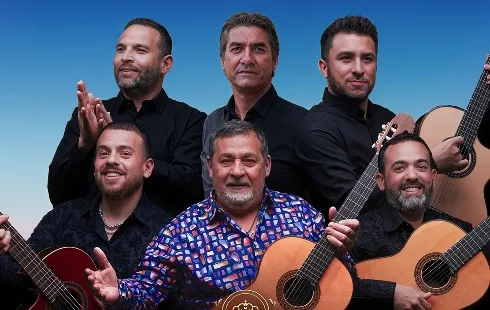
Gipsy Kings: "Music Is a Natural Way of Life"
Section: Arts
The application of high-risk pesticides in Austria has seen a notable increase over recent years, according to newly released data from the Federal Ministry of Agriculture. Analysis based on active ingredient sales figures reveals a substantial growth in the use of substances classified as substitution candidates and PFAS-based pesticides across agricultural land from 2010 to 2024.
Data computations carried out by an environmental organization, using official figures, show that the area potentially treated with pesticides in Austria expanded by 22 percent within this period, now covering approximately 7.5 million hectares. Among these, fields treated with substitution candidate substances--which are defined by the European Union as chemicals with hazardous properties, such as reproductive toxicity or mutagenicity--more than doubled, rising from 1.35 million to 2.78 million hectares. Similarly, land treated with PFAS-containing pesticides, known for their persistence and potential health risks, nearly tripled to 1.46 million hectares.
Substitution candidate pesticides are of particular concern under EU guidelines. These chemicals are intended to be replaced by safer alternatives due to their classification as potentially harmful to human health or the environment. Nevertheless, the data indicates that these substances remain among the most commonly used in Austria's agricultural sector.
PFAS-based pesticides have attracted attention due to the persistent nature of their residues, especially trifluoroacetic acid (TFA), a breakdown product that is both difficult to degrade and suspected to have adverse effects on reproductive health. The enduring presence of PFAS compounds in the environment has led to regulatory action in some European countries; Denmark, for instance, introduced national bans on 23 such pesticides in July 2025, becoming the first EU member state to take this step.
Public health experts have raised concerns regarding the implications of increased exposure to these chemicals, particularly among agricultural workers who handle them regularly. The prevailing scientific evidence suggests that many fungicides and insecticides possess neurotoxic properties, potentially contributing to neurological health risks. Although research findings vary for individual substances, current scientific reviews advise caution, indicating that no pesticide active ingredient can be considered completely harmless in this context.
Environmental advocacy groups welcomed the ministry's recent release of comprehensive pesticide usage data, noting that this level of transparency had not previously been available. However, these organizations also criticized the ongoing prevalence of high-risk substances, describing it as a failure to adequately implement EU directives mandating the reduction and replacement of the most hazardous products. The organizations emphasized that only a small portion of pesticide-treated land in Austria--approximately five percent--utilizes substances approved for organic farming, amounting to 370,000 hectares. This figure contrasts sharply with the overall area subjected to chemical treatments.
In response to public debate, agricultural authorities clarified that the inclusion of carbon dioxide in pesticide statistics was avoided, as CO2 is primarily used post-harvest for preserving fruit rather than being applied directly to crops in the field. This distinction was made to ensure the accuracy of pesticide usage calculations and to focus solely on substances that are applied to agricultural land.
The Ministry of Agriculture also commented that the total amount of active ingredient used is not a direct indicator of the associated risk, underscoring that a professional assessment must consider both the specific properties and the exposure potential of each chemical, rather than merely its volume.
As Austria continues to contend with the challenges of reducing its reliance on hazardous pesticides, the newly released figures underline the ongoing need for policy action, improved monitoring, and the promotion of safer alternatives within the agricultural sector.
Section: Arts
Section: Fashion

Section: Health Insurance

Section: News

Section: Politics

Section: Business
Section: Health

Section: Arts
Section: Politics
Section: Business
Both private Health Insurance in Germany and public insurance, is often complicated to navigate, not to mention expensive. As an expat, you are required to navigate this landscape within weeks of arriving, so check our FAQ on PKV. For our guide on resources and access to agents who can give you a competitive quote, try our PKV Cost comparison tool.
Germany is famous for its medical expertise and extensive number of hospitals and clinics. See this comprehensive directory of hospitals and clinics across the country, complete with links to their websites, addresses, contact info, and specializations/services.
Didn't manage to get a ticket for Linkin Park? Or still not enough after the concert? Join us at CRASH on June 12th for our "IN THE END" Linkin Park Special + CORE NIGHT.All night long, we'll be playing Linkin Park's music, along with Nu Metal, Metalcore, and Alternative Rock from bands such as Limp...



No comments yet. Be the first to comment!