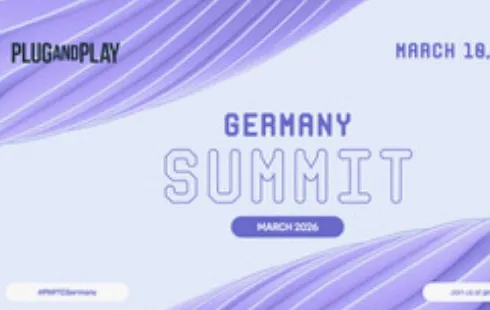
Munich Signals Its Ambition at Plug and Play Tech Center AI Summit
Section: Business
The administration of President Donald Trump has decided to reinstate at least six foreign aid programs that were recently terminated, according to insider reports. Jeremy Lewin, the head of the U.S. Agency for International Development (USAID), instructed his team to resume support for the World Food Program in Lebanon, Syria, Somalia, Jordan, Iraq, and Ecuador.
In an internal communication reviewed by Reuters, Lewin expressed regret for the confusion surrounding the allocations of these aid programs. This reversal comes amid growing pressure from both the administration and Congress, which followed statements from the United Nations World Food Program warning that the cessation of these initiatives could lead to dire consequences for millions of vulnerable individuals.
The U.S. State Department has not yet responded to requests for comments regarding this decision. Previously, the Trump administration had implemented significant cuts to vital aid programs, impacting over a dozen countries, including Afghanistan, Yemen, Somalia, and Syria, totaling more than $1.3 billion.
The reinstatement of these programs highlights the ongoing debate within the U.S. government regarding the balance of fiscal responsibility and humanitarian obligations. Lawmakers, particularly those concerned with foreign policy and international aid, have expressed alarm over the potential humanitarian crisis that could arise from the withdrawal of U.S. assistance.
As global challenges such as food insecurity and displacement continue to escalate, the U.S.'s role in providing foreign aid remains critical. The restoration of these programs signifies a renewed commitment to addressing humanitarian needs in affected regions and demonstrates the influence of both public opinion and legislative pressure on foreign aid policies.
While the immediate reinstatement of support for the World Food Program is a positive development, it raises questions about the long-term strategy of the U.S. in international aid. Observers are watching closely to see how this shift will affect not only the countries involved but also the broader geopolitical landscape as the U.S. seeks to balance its domestic priorities with its responsibilities on the global stage.
Section: Business

Section: Health Insurance

Section: News

Section: Arts

Section: Health

Section: Fashion
Section: Politics
Section: Fashion

Section: News
Section: Fashion
Both private Health Insurance in Germany and public insurance, is often complicated to navigate, not to mention expensive. As an expat, you are required to navigate this landscape within weeks of arriving, so check our FAQ on PKV. For our guide on resources and access to agents who can give you a competitive quote, try our PKV Cost comparison tool.
Germany is famous for its medical expertise and extensive number of hospitals and clinics. See this comprehensive directory of hospitals and clinics across the country, complete with links to their websites, addresses, contact info, and specializations/services.
Join us at the Kunstraum in der Au for the exhibition titled ,,Ereignis: Erzählung" by Christoph Scheuerecker, focusing on the captivating world of bees. This exhibition invites visitors to explore the intricate relationship between bees and their environment through various artistic expressions,...

No comments yet. Be the first to comment!