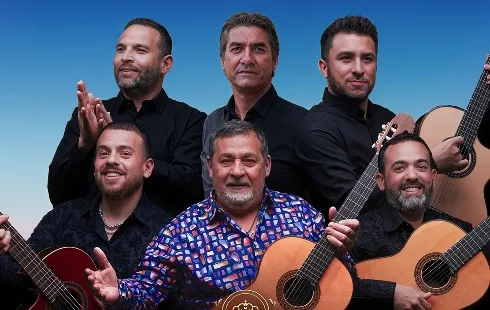
Gipsy Kings: "Music Is a Natural Way of Life"
Section: Arts
Negotiations between the United Kingdom and the European Union regarding Britain's potential involvement in the EU's Strategic Armament Fund for Europe (SAFE) have ended without agreement. The outcome represents a significant setback to efforts aimed at redefining post-Brexit relations and enhancing continental security cooperation.
The discussions, held in London, concluded after both sides failed to bridge differences over the terms of UK participation. The British government cited the need to prioritize national interests and secure favorable conditions as key reasons for not reaching a deal. Officials emphasized that, while the talks were conducted constructively, any agreement had to align with the UK's standards for value and strategic benefits.
The SAFE fund, valued at approximately 150 billion euros, was established with the intention of reinforcing Europe's defense capabilities and modernizing military infrastructure across member states. The fund is central to the EU's broader initiative to strengthen collective security, particularly amidst evolving global challenges and shifting geopolitical alliances.
Britain's potential involvement in SAFE had been viewed as a possible milestone in rebuilding defense and security ties with the EU following the country's departure from the bloc. Earlier in the year, both parties had signaled intentions to pursue a new phase in their relationship, with particular focus on defense and trade collaboration. The UK's participation in SAFE was set to be a flagship element of this renewed partnership.
According to statements from British officials, the UK defense sector retains the opportunity to engage with SAFE projects under regulations applicable to third countries. This arrangement continues to allow British defense companies to contribute to select EU defense initiatives, although without the rights and influence that come with full membership.
The European Commission refrained from issuing detailed commentary on the breakdown of the negotiations, but emphasized that the discussions were thorough and constructive. EU representatives reiterated that SAFE remains accessible to non-EU states under certain conditions, and that future cooperation with Britain could still be explored within the framework of existing protocols.
Despite the collapse of these talks, the announcement had no discernible impact on the share prices of major British defense contractors, including BAE Systems, Rolls-Royce, and Babcock. Market analysts noted that the outcome had been widely anticipated, and the companies are expected to continue pursuing opportunities both within and outside the EU framework.
The failure to secure UK accession to the SAFE fund is being interpreted as a challenge to wider efforts aimed at reinforcing European defense independence and resilience. However, the mechanisms for collaboration between the UK and EU in the security sector remain in place, and both sides have acknowledged the importance of ongoing dialogue in addressing shared threats and fostering stability across the continent.
As the European Union continues to advance its defense modernization agenda, the scope for non-member engagement will likely remain a topic of negotiation. The United Kingdom, while outside the EU, remains a significant player in the European security landscape, and future initiatives may present further opportunities for structured cooperation.
Section: Arts

Section: Fashion

Section: Health Insurance
Section: News

Section: Politics
Section: Business

Section: Health

Section: Arts
Section: Politics
Section: Business
Both private Health Insurance in Germany and public insurance, is often complicated to navigate, not to mention expensive. As an expat, you are required to navigate this landscape within weeks of arriving, so check our FAQ on PKV. For our guide on resources and access to agents who can give you a competitive quote, try our PKV Cost comparison tool.
Germany is famous for its medical expertise and extensive number of hospitals and clinics. See this comprehensive directory of hospitals and clinics across the country, complete with links to their websites, addresses, contact info, and specializations/services.
Didn't manage to get a ticket for Linkin Park? Or still not enough after the concert? Join us at CRASH on June 12th for our "IN THE END" Linkin Park Special + CORE NIGHT.All night long, we'll be playing Linkin Park's music, along with Nu Metal, Metalcore, and Alternative Rock from bands such as Limp...



No comments yet. Be the first to comment!