
Munich Signals Its Ambition at Plug and Play Tech Center AI Summit
Section: Business
A recent study has revealed a concerning state of European rivers, primarily due to the presence of microplastics. The research was conducted by a team of chemists, biologists, and physicists from 19 different research laboratories, who analyzed water samples collected from nine major rivers across Europe.
The rivers included in this extensive study are the Elbe and Rhine in Germany, the Ebro in Spain, the Garonne, Loire, and Rhône in France, the Thames in the United Kingdom, and the Tiber in Italy. Each of these water bodies is critical not only for the ecosystems they support but also for the communities that rely on them for various purposes, including drinking water and agriculture.
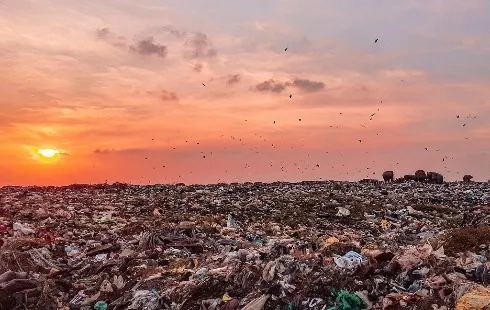
The findings indicate that microplastics, which are tiny plastic particles measuring less than five millimeters, have permeated these water sources at alarming rates. The presence of microplastics in the environment raises significant concerns, as they can have detrimental effects on aquatic life and human health. These particles can accumulate in the food chain, posing risks to various species, including fish and birds, and ultimately affecting human consumers.
Researchers noted that the introduction of microplastics into these rivers stems from various sources, including urban runoff, wastewater discharge, and the degradation of larger plastic products. As plastics break down into smaller particles, their presence in the water becomes increasingly pervasive, making it challenging to mitigate their impact.
The results of this study highlight the urgent need for comprehensive monitoring and management strategies to address microplastic pollution in European waterways. There is a growing demand for policies aimed at reducing plastic waste and enhancing waste management practices to prevent further contamination of these vital water sources.
In addition to environmental implications, the health risks associated with consuming contaminated water and seafood are becoming a focal point for public health officials. The study emphasizes the importance of raising awareness about microplastic pollution and its potential consequences.
As European nations grapple with this pressing issue, the findings serve as a call to action for governments, researchers, and citizens alike. Collaborative efforts are essential to safeguard the health of aquatic ecosystems and ensure clean water for future generations.
Section: Business

Section: Health Insurance

Section: News

Section: Arts

Section: Health

Section: Fashion
Section: Politics

Section: Fashion

Section: News
Section: Fashion
Both private Health Insurance in Germany and public insurance, is often complicated to navigate, not to mention expensive. As an expat, you are required to navigate this landscape within weeks of arriving, so check our FAQ on PKV. For our guide on resources and access to agents who can give you a competitive quote, try our PKV Cost comparison tool.
Germany is famous for its medical expertise and extensive number of hospitals and clinics. See this comprehensive directory of hospitals and clinics across the country, complete with links to their websites, addresses, contact info, and specializations/services.
Join us at the Kunstraum in der Au for the exhibition titled ,,Ereignis: Erzählung" by Christoph Scheuerecker, focusing on the captivating world of bees. This exhibition invites visitors to explore the intricate relationship between bees and their environment through various artistic expressions,...



No comments yet. Be the first to comment!