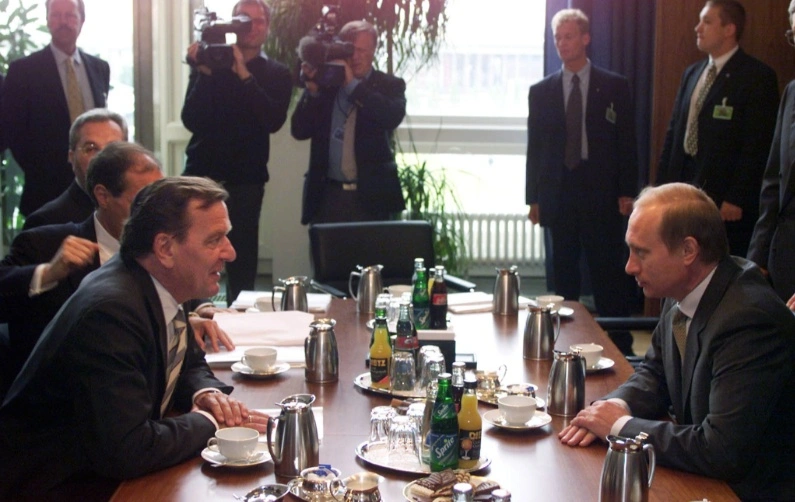
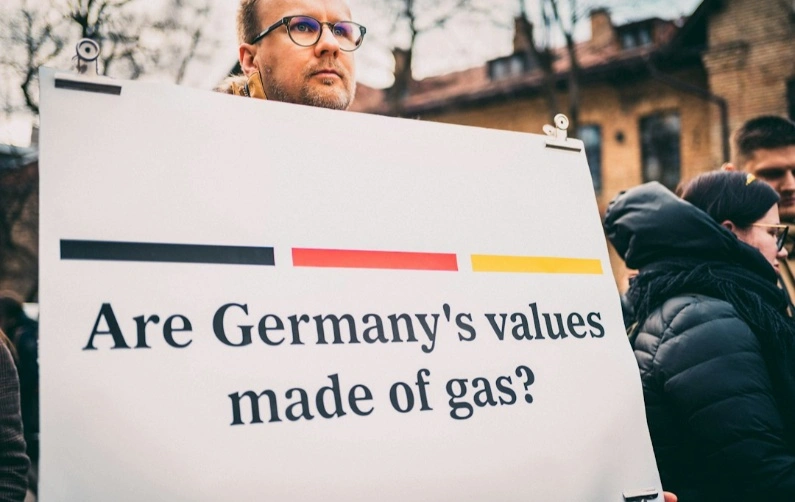
Former German Chancellor Schröder criticised for attending Putin's birthday
Section: News
The Vienna city administration is currently examining the introduction of a new tax specifically targeting SUV vehicles. This initiative has generated considerable debate among political representatives and members of the public, with concerns focusing on the potential economic and social impact of the proposed measure.
The city's transport councillor recently indicated that higher parking fees, particularly for larger vehicles such as SUVs, are under consideration. This follows a series of recent fiscal decisions, including increases in housing subsidies and public transportation fares, which have already impacted household budgets across Vienna.
Critics argue that the discussion around a possible SUV levy comes soon after other fee hikes, suggesting that residents might face additional financial burdens. There are questions regarding the criteria for implementing such a tax, particularly whether it would be based on vehicle size or weight. These parameters could have varying effects; for instance, a size-based fee could disproportionately affect families and businesses that rely on larger vehicles, while a weight-based tax might impact electric vehicles, which are typically heavier due to battery components.
Stakeholders from various sectors have raised concerns about the fairness and effectiveness of the measure. There is apprehension that the tax could inadvertently penalise certain groups, such as families needing spacious vehicles or companies operating commercial fleets. Additionally, the possibility that electric vehicle owners might be affected has prompted discussions about the policy's alignment with environmental goals, as the city seeks to encourage cleaner modes of transport.
The city government has expanded its parking regulation zones in recent years, making car usage less attractive and encouraging the use of public transport. While these steps aim to address congestion and environmental concerns, the potential introduction of further vehicle-specific charges has prompted debate about whether these measures are genuinely aimed at improving mobility or are primarily fiscal in nature.
Policy experts and urban planners are calling for comprehensive strategies that focus on expanding and enhancing public transport infrastructure, improving park-and-ride facilities, and developing modern parking solutions such as multi-storey garages. The argument is that sustainable traffic management requires a balanced approach that both discourages unnecessary car use and offers viable alternatives for residents and businesses.
As the discussion continues, the municipal authorities are expected to conduct a thorough review of the proposed SUV tax, evaluating its potential economic, social, and environmental impacts. Public consultations and expert input are likely to play a role in shaping the final decision. The issue remains a focal point in Vienna's ongoing debate about the future of urban mobility and the role of taxation in steering transportation choices.
Further updates will be provided as the city government releases more details on the proposed measure and its implications for Vienna's residents and businesses.
Section: News

Section: Science

Section: Business

Section: Business
Section: Science
Section: News
Section: Politics
Section: News

Section: Fashion
Section: Arts
Both private Health Insurance in Germany and public insurance, is often complicated to navigate, not to mention expensive. As an expat, you are required to navigate this landscape within weeks of arriving, so check our FAQ on PKV. For our guide on resources and access to agents who can give you a competitive quote, try our PKV Calculator.
Germany is famous for its medical expertise and extensive number of hospitals and clinics. See this comprehensive directory of hospitals and clinics across the country, complete with links to their websites, addresses, contact info, and specializations/services.
Didn't manage to get a ticket for Linkin Park? Or still not enough after the concert? Join us at CRASH on June 12th for our "IN THE END" Linkin Park Special + CORE NIGHT.All night long, we'll be playing Linkin Park's music, along with Nu Metal, Metalcore, and Alternative Rock from bands such as Limp...



No comments yet. Be the first to comment!