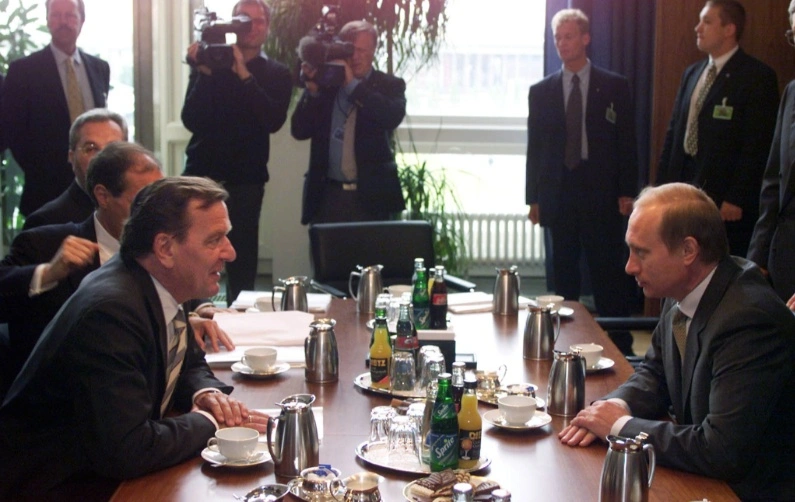
Former German Chancellor Schröder criticised for attending Putin's birthday
Section: News
The Green Party in Vienna has raised concerns about the city's recent budget decisions, stating that the current administration's approach is placing increasing pressure on local residents. As the city reviews its annual financial report, the Greens have highlighted what they describe as growing challenges faced by Vienna's population, particularly among vulnerable groups.
According to the Green Party, recent budget measures have led to reductions in social support for children, people with disabilities, and those with chronic illnesses. The party argues that these cutbacks are being felt not only by these groups but also by many others who had previously not faced significant financial difficulties. Simultaneously, the Greens assert that wealthier individuals and real estate speculators are not being required to contribute more, further intensifying the strain on the broader community.
Concerns Over Budget Allocation and Social EquityThe Greens have criticized the city government for its handling of housing policy and public services. They point to the decision to reject the introduction of a vacancy and secondary residence tax, which they believe could have generated additional revenue for the city. At the same time, they note that the contribution for housing subsidies has been increased, affecting a large segment of the population.
Infrastructure spending has also come under scrutiny. The Green Party highlights continued investments in large-scale projects, such as the ongoing development in the Lobau area, which they argue comes at the expense of other critical needs. Plans for a 365-euro annual public transport ticket have been scaled back, while funding for the renovation of kindergartens and schools has reportedly been postponed. In contrast, the city has allocated 200 million euros to the construction of a new event hall.
These decisions, according to the Greens, mean that residents are paying more for services while receiving less in return. The party suggests that these developments represent a departure from Vienna's traditional emphasis on social welfare and inclusive urban policy.
Call for Policy Reforms and Fairer ContributionsThe Green Party has called for a re-evaluation of the city's budget priorities. They advocate for the introduction of a tax on vacant properties and secondary residences, with the aim of increasing the city's resources for social programs. The party also recommends rethinking large infrastructure expenditures, particularly those in the Lobau region, and redirecting funds towards essential services such as education and childcare facility improvements.
In addition, the Greens support the idea of seeking greater financial contributions from property speculators and high-net-worth individuals. They argue that a more balanced approach would help ensure that the costs of maintaining and improving public services are shared more equitably across the population.
Implications for Vienna's Social ModelThe ongoing debate over the city's budget has sparked discussion about the future direction of Vienna's social and economic policies. The Green Party's criticisms reflect broader concerns about maintaining the principles of social equity and public responsibility that have historically guided the city's governance.
The current administration's choices regarding budget allocation, taxation, and infrastructure investment are likely to remain topics of public debate as stakeholders weigh the best strategies for supporting Vienna's residents in the years ahead. The outcome of these discussions will play a significant role in shaping the city's approach to social welfare, public services, and urban development going forward.
Section: News

Section: Science

Section: Business

Section: Business

Section: Science

Section: News
Section: Politics
Section: News

Section: Fashion
Section: Arts
Both private Health Insurance in Germany and public insurance, is often complicated to navigate, not to mention expensive. As an expat, you are required to navigate this landscape within weeks of arriving, so check our FAQ on PKV. For our guide on resources and access to agents who can give you a competitive quote, try our PKV Calculator.
Germany is famous for its medical expertise and extensive number of hospitals and clinics. See this comprehensive directory of hospitals and clinics across the country, complete with links to their websites, addresses, contact info, and specializations/services.
Didn't manage to get a ticket for Linkin Park? Or still not enough after the concert? Join us at CRASH on June 12th for our "IN THE END" Linkin Park Special + CORE NIGHT.All night long, we'll be playing Linkin Park's music, along with Nu Metal, Metalcore, and Alternative Rock from bands such as Limp...



No comments yet. Be the first to comment!