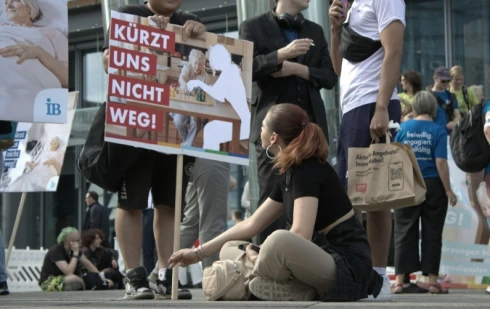
 Germany's Federal Health Minister Carsten Linnemann has indicated that cuts to care insurance benefits may become necessary amid soaring costs. In a recent statement, Linnemann stressed the need to reduce spending by approximately ten percent in response to a significant rise in expenses facing the social security system.
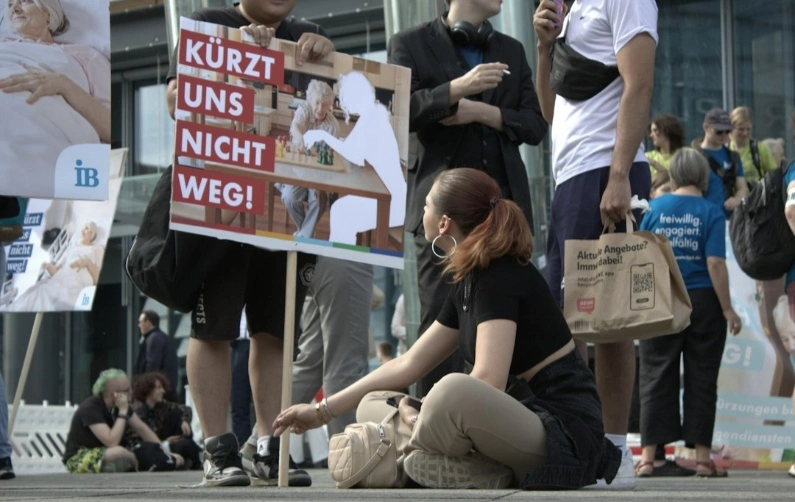
German health minister warns of potential cuts to care insurance
Section: Health
Linnemann revealed that the care insurance system is grappling with a severe structural financing issue. The minister pointed out that over the past two decades, the number of people requiring care in Germany has surged from two million to more than six million. This increasing demand for care services has raised concerns about potential deficits, with forecasts suggesting that without reform, the care insurance sector could face a shortfall of around eight billion euros by 2027.
Amid these challenges, Linnemann has announced plans to refine benefit allocations to ensure that support is more closely aligned with the actual needs of individuals. "We must better target those who truly need help," Linnemann stated, emphasizing a more efficient distribution of resources. However, he has acknowledged that this could involve reducing certain benefits.
Linnemann also criticized proposals such as a mandatory private care supplementary insurance, which he rejected. Instead, he advocated for greater tax incentives to encourage voluntary private care insurance, suggesting that the statutory care insurance system cannot sufficiently cover all rising costs. Additionally, Linnemann dismissed the idea of implementing a cost cap on individual contributions in nursing homes, a measure supported by the Social Democratic Party (SPD), arguing that such caps do not lower the actual costs and may instead lead to further increases.
Concerned parties, including patient advocates, have voiced warnings about the repercussions of potential reductions in care insurance benefits. They have highlighted the critical importance of at-home care services and the dire consequences that reductions could have for those reliant on such support.
Linnemann intends to continue the reform initiatives started by his predecessor. His approach aims to balance fiscal sustainability with the need to ensure comprehensive support for the country's aging population. While addressing the necessity of budget cuts, Linnemann assured that he is committed to enabling individuals to receive care in their homes for as long as possible.
Prioritizing an efficient reform, Linnemann indicated the government's goal to refine and stabilize the care insurance framework amidst the demographic shifts that put increasing pressure on social services. He underscored the government's stance to adapt to these changes while ensuring that the system remains robust enough to handle future demands.
The upcoming ministerial conference is expected to address these pressing issues, as the government contemplates strategic measures to handle the financial strains while also securing care service availability. Discussions on the reform of the care insurance system are anticipated to be a focal point during the conference, as stakeholders seek viable solutions to the funding and service delivery challenges brought on by the growing number of those in need.
Photo by Anton Etmanov on Unsplash
Section: Health

Section: News

Section: Business

Section: Science

Section: News

Section: News

Section: Politics

Section: Politics

Section: News
Section: News
Both private Health Insurance in Germany and public insurance, is often complicated to navigate, not to mention expensive. As an expat, you are required to navigate this landscape within weeks of arriving, so check our FAQ on PKV. For our guide on resources and access to agents who can give you a competitive quote, try our PKV Calculator.
Germany is famous for its medical expertise and extensive number of hospitals and clinics. See this comprehensive directory of hospitals and clinics across the country, complete with links to their websites, addresses, contact info, and specializations/services.
Didn't manage to get a ticket for Linkin Park? Or still not enough after the concert? Join us at CRASH on June 12th for our "IN THE END" Linkin Park Special + CORE NIGHT.All night long, we'll be playing Linkin Park's music, along with Nu Metal, Metalcore, and Alternative Rock from bands such as Limp...



No comments yet. Be the first to comment!