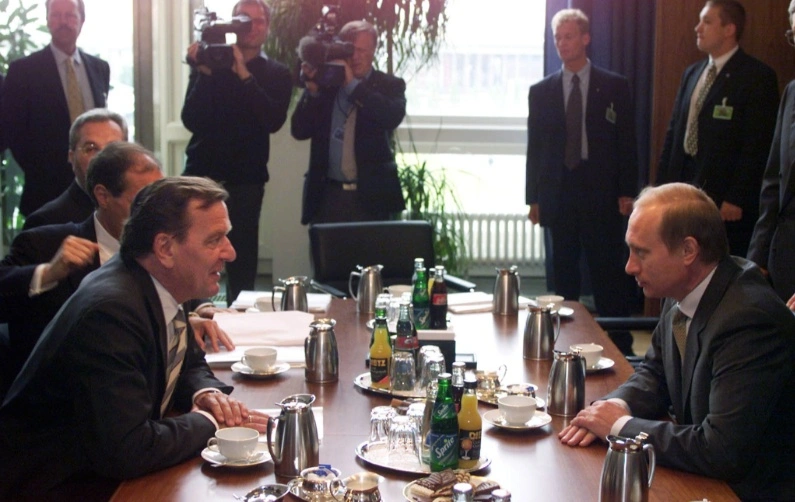
Former German Chancellor Schröder criticised for attending Putin's birthday
Section: News
The recent appointment of a new executive at Vienna's municipal economic agency has prompted significant public discussion following revelations regarding the size of the position's remuneration package. The salary, reported to be approximately 14,000 euros paid 14 times annually, brings the total annual compensation near 250,000 euros when including ancillary wage costs. This figure has led to scrutiny among local political groups and the general public, particularly in light of current budgetary constraints and increased municipal fees affecting residents across Vienna.
Concerns have been raised regarding the justification for such a high salary for the role, especially as the position in question reportedly carries limited executive responsibilities. Critics argue that the current structure may not align with prudent financial management, particularly at a time when the city has implemented cost-saving measures that impact essential services and social programs. The remuneration package has become a focal point in broader debates about fiscal priorities and equitable distribution of public resources.
Political representatives have drawn attention to the apparent discrepancy between the city's efforts to increase revenues through fee hikes and service reductions, and the allocation of substantial funds for executive compensation. Observers note that recent adjustments to public charges and reductions in social spending have had a tangible effect on vulnerable segments of Vienna's population, intensifying concerns about how municipal funds are being utilized.
In response to these concerns, local officials have called for a comprehensive review of the hiring process and remuneration policies associated with the executive position. A formal request has been submitted to the municipal auditing authority, seeking clarification on the decision-making processes that led to the creation of a high-paying role with limited managerial duties. The review aims to determine whether the allocation of funds in this case was managed efficiently and in accordance with principles of good governance.
The auditing authority will examine whether the current compensation package is commensurate with the responsibilities and requirements of the executive role. The inquiry is also expected to assess whether the hiring process adhered to established procedures and whether the position's terms of reference justify the salary awarded.
Debate over executive compensation in public institutions is not unique to Vienna. Across Europe, public sector salaries--particularly for management positions--have often been the subject of public scrutiny. Proponents of competitive compensation argue that attracting qualified professionals to key roles is essential for effective governance and economic development. However, critics maintain that salaries in the public sector should reflect fiscal realities and demonstrate accountability to taxpayers.
As the investigation proceeds, stakeholders across the political spectrum are calling for increased transparency in the management of public funds. There is an ongoing public dialogue about the balance between fair compensation for those in leadership roles and the need to ensure that resources are allocated responsibly, especially during periods of financial pressure on public services.
The outcome of the municipal audit is expected to inform future policies regarding executive remuneration within Vienna's public agencies. The findings will likely influence ongoing discussions about financial stewardship, transparency, and the prioritization of resources in Vienna's municipal administration.
Section: News

Section: Science

Section: Business

Section: Business
Section: Science

Section: News
Section: Politics
Section: News

Section: Fashion
Section: Arts
Both private Health Insurance in Germany and public insurance, is often complicated to navigate, not to mention expensive. As an expat, you are required to navigate this landscape within weeks of arriving, so check our FAQ on PKV. For our guide on resources and access to agents who can give you a competitive quote, try our PKV Calculator.
Germany is famous for its medical expertise and extensive number of hospitals and clinics. See this comprehensive directory of hospitals and clinics across the country, complete with links to their websites, addresses, contact info, and specializations/services.
Didn't manage to get a ticket for Linkin Park? Or still not enough after the concert? Join us at CRASH on June 12th for our "IN THE END" Linkin Park Special + CORE NIGHT.All night long, we'll be playing Linkin Park's music, along with Nu Metal, Metalcore, and Alternative Rock from bands such as Limp...



No comments yet. Be the first to comment!